What is the WIBA ABA Conference?

The WIBA Conference, short for Women in Behavior Analysis, is the only annual conference in the ABA field dedicated to empowering, celebrating, and mentoring women in behavior analysis and highlighting their contributions to the discipline. Founded in 2017, WIBA has grown into one of the most distinctive and community-driven events on the ABA conference calendar.

Each year, the WIBA Conference brings together BCBAs, researchers, educators, students, and allies from across the behavior analysis community to engage in meaningful dialogue on gender equality, professional development, mentorship, and the advancement of the field.

What sets WIBA apart is its dual purpose: to advance behavior analysis as a science and to actively address the underrepresentation and underrecognition of women within it. The conference is open to all genders and is designed to be an inclusive forum where every attendee, whether a seasoned clinician, a graduate student, or an organizational leader, feels seen, supported, and inspired.

When is the WIBA Conference?

The WIBA Conference is typically held each summer, most often in July. The event rotates among cities across the United States. Attendees are encouraged to check the official WIBA events page for the most current schedule, registration details, and hotel booking information.

WIBA is offered as a hybrid event, with both in-person attendance and a live virtual stream available each year. On-demand access is also included, allowing attendees to engage with sessions at their own pace after the event.

2026 WIBA Conference: Chicago, Illinois

July 15–17, 2026 | Sheraton Grand Chicago Riverwalk

The 9th Annual WIBA Conference will be held July 15–17, 2026, at the Sheraton Grand Chicago Riverwalk in Chicago, Illinois. The conference is a hybrid event, offering both in-person attendance and a full virtual livestream for those who cannot travel.

This year’s program will highlight prominent women in behavior analysis while addressing the importance of gender equality and diversity within the field. Through engaging presentations, meaningful discussions, and structured opportunities for connection, the 2026 WIBA Conference creates space for learning, leadership, and shared progress.

2026 WIBA Hotel and Accommodations

The 2026 WIBA Conference is hosted at the Sheraton Grand Chicago Riverwalk in Chicago, Illinois. The WIBA discounted room rate is available through June 20, 2026. Rooms are expected to sell out, and early booking is strongly recommended. A hotel booking link is provided through the official registration process at thewiba.com.

Registration for the 2026 WIBA Conference

Registration is available both in-person and online. Registration tiers are offered at the same price and include on-demand access and continuing education units (CEUs).

Continuing Education at the 2026 WIBA Conference

WIBA offers both CEUs and professional development units (PDUs) with all registration packages. CEU and PDU access is included for both in-person and virtual attendees, as well as through on-demand viewing after the conference.

Find the Next Step in Your ABA Career

Discover rewarding BCBA career opportunities at LEARN Behavioral.

What Does LEARN Behavioral Do at WIBA?

LEARN Behavioral participates in the WIBA Conference as a supporter of professional development and community in the ABA field. The LEARN team attends the conference each year to engage with the conversations shaping the future of behavior analysis, particularly those focused on mentorship, leadership, and inclusion, and to connect with the talented clinicians and researchers who make up the WIBA community.

At the WIBA Conference, LEARN Behavioral typically:

  • Connects with BCBAs, students, and early career professionals who are passionate about growing in the field
  • Engages with sessions focused on mentorship, leadership development, and diversity, equity, and inclusion (DEI) in ABA practice
  • Supports career development opportunities for women and allies who want to build meaningful careers within a national ABA organization
  • Participates in community-building events that align with LEARN’s commitment to inclusion and belonging across its clinical teams
  • Explores research and best practices that can be applied to LEARN’s work with children and families across the country

LEARN Behavioral’s participation in WIBA reflects its belief that a stronger, more equitable field of behavior analysis is better for the professionals who work in it and the children and families they serve.

Who Attends the WIBA Conference?

The WIBA Conference draws a wide and diverse audience united by a shared interest in advancing behavior analysis and championing equity within the field. Attendees typically include:

  • Board certified behavior analysts (BCBAs) and BCBA-Ds
  • Board certified assistant behavior analysts (BCaBAs)
  • Registered behavior technicians (RBTs)
  • Graduate students and doctoral candidates
  • University faculty and researchers
  • Early career professionals seeking mentorship and community
  • Organizational leaders and clinical directors at ABA therapy organizations
  • Allies of all genders committed to gender equity in behavior analysis
  • Advocates and professionals working at the intersection of ABA and social justice

While WIBA was founded to address the specific experience of women in behavior analysis, the conference is explicitly open to and welcoming of attendees of all genders. Allies play an important role in the WIBA community, and the conference is designed to foster dialogue that benefits the entire field.

Start a Meaningful Career in ABA

Interested in a career helping children with autism? Discover rewarding ABA career opportunities.

Topics Discussed at the WIBA Conference

The WIBA Conference program spans clinical science, professional development, and social dialogue, with presentations, workshops, poster sessions, and mentoring opportunities woven throughout the schedule. Presentations are selected through a blind review process, and all invited speakers receive equal compensation; there are no keynote hierarchies at WIBA.

Key topics consistently featured at the WIBA Conference include:

  • Highlighting the contributions of prominent and historically underrecognized women in behavior analysis
  • Gender equity, representation, and leadership in the field
  • Mentorship for early-career professionals and students
  • Organizational behavior management (OBM) and leadership development
  • Diversity, equity, and inclusion (DEI) in clinical practice and research
  • Social justice and culturally responsive behavior analysis
  • Research trends and innovations in the field
  • Professional development and career navigation for behavior analysts
  • Work-life balance and burnout prevention for clinicians
  • Ethics in research and practice
  • Intersectionality and identity in the behavior analysis community
  • Recognition and preservation of the field’s female founding voices

Why Should You Attend the WIBA Conference?

Whether you are an experienced BCBA, a graduate student just entering the field, or a clinical leader at an ABA organization, the WIBA Conference offers something that no other ABA event does. Specific reasons to attend include:

  • Experience the only ABA conference built around gender equity, mentorship, and women’s leadership in the field
  • Earn CEUs and PDUs included with all registration packages, in-person and virtual
  • Participate in formal mentorship sessions connecting early career professionals with established leaders in behavior analysis
  • Network with thousands of BCBAs, researchers, educators, and students who share your values
  • Engage with research and presentations selected through a blind review process for rigor and fairness
  • Access sessions on-demand after the conference, making it easy to revisit content at your own pace
  • Join a community that extends beyond the conference through WIBA Skool, the organization’s year-round online platform
  • Attend in person in Chicago or join virtually from anywhere in the world

Highlights from Past WIBA Conferences

Since its inaugural conference in 2017, WIBA has grown from a grassroots gathering into one of the most impactful and widely attended events in the ABA calendar. Over nearly a decade, it has accumulated more than 4,000 in-person and online attendees, 648 presentations, 453 presenters, and 85 mentorship sessions.

Past WIBA Conference highlights include:

  • The launch of the WIBA Hall of Fame in 2021, dedicated to honoring the female pioneers whose contributions to behavior analysis have often gone unrecognized, with inaugural inductees including Eve Segal, Bea Barrett, Martha Bernal, and Judith Favell
  • Annual formal mentorship sessions pairing early career professionals and students with established leaders in the field, including invited speakers and advisory board members
  • Expert panel sessions where advisory board members and invited speakers answer attendee questions and share professional advice
  • Presentations by world-renowned behavior analysts, including Linda LeBlanc, PhD, BCBA-D, and other leaders on the WIBA Advisory Board
  • Scholarship programs designed to reduce financial barriers and expand access to the conference for underrepresented professionals
  • A growing emphasis on intersectionality, social justice, and culturally responsive behavior analysis
  • The development of WIBA Skool, an online community platform that keeps the WIBA experience alive year-round between annual conferences

WIBA Conference Key Takeaways

  • The WIBA Conference is the only annual event in the ABA field dedicated to empowering, celebrating, and mentoring women in behavior analysis
  • WIBA was founded in 2017 and has grown to engage thousands of attendees, presenters, and mentors across its history
  • The 9th Annual WIBA Conference will be held July 15–17, 2026, at the Sheraton Grand Chicago Riverwalk, with in-person and virtual attendance options
  • The conference is open to attendees of all genders and is designed as an inclusive forum for advancing equity and excellence in the field
  • CEUs and PDUs are included with all registration packages, in-person and online
  • Topics span gender equity, mentorship, DEI, leadership, OBM, clinical trends, and the recognition of women’s historic contributions to behavior analysis
  • LEARN Behavioral participates in WIBA each year as a member of the ABA community committed to inclusion, mentorship, and professional development

FAQs: What People Ask About the WIBA Conference

Is the WIBA Conference only for women?

No. While WIBA was founded to highlight the accomplishments of women in behavior analysis and address gender equity in the field, the conference is explicitly open to attendees of all genders. Allies play a central role in the WIBA community, and the conference welcomes anyone committed to advancing gender equality and inclusive practice in behavior analysis.

When was WIBA founded?

WIBA was founded in 2017 by Devon Sundberg, MS, BCBA, and Kimberly Zoder-Martell, PhD, BCBA-D. The idea originated while both were involved in organizing a state-level ABA conference and recognized the lack of female representation among invited speakers at ABA events. The inaugural WIBA Conference was held that year to highlight women’s accomplishments in the field and create space for mentorship and gender equity dialogue.

Who founded WIBA?

WIBA was co-founded by Devon Sundberg, MS, BCBA, and Kimberly Zoder-Martell, PhD, BCBA-D. Devon Sundberg serves as Executive Director and Conference Director. Janet Lund, PhD, BCBA-D, currently leads the organization, and WIBA’s Advisory Board includes Linda LeBlanc, PhD, BCBA-D, Chata Dickson, PhD, BCBA-D, Patricia Wright, PhD, BCBA-D, Adrienne Bradley, MEd, BCBA, and Bruce Tinor, PhD, BCBA.

What is the WIBA Hall of Fame?

The WIBA Hall of Fame was established in 2021 to honor women who have made outstanding contributions to the field of behavior analysis, particularly those whose work has been historically overlooked or underrecognized. Inductees are selected annually and recognized at the WIBA Conference. The inaugural Hall of Fame class included Eve Segal, Bea Barrett, Martha Bernal, and Judith Favell. Induction profiles are published annually in the journal Behavior Analysis in Practice.

What is WIBA Skool?

WIBA Skool is WIBA’s year-round online community platform where behavior analysts, students, and allies can stay connected between annual conferences. It functions as a private professional community (without ads) where members can share resources, engage in discussions, and maintain the momentum and connections built at the WIBA Conference. WIBA Skool is separate from and complementary to the annual in-person and virtual event.

Does WIBA offer scholarships?

Yes. WIBA offers scholarships designed to reduce financial barriers and make the conference more accessible to professionals who might otherwise not be able to attend. Scholarship opportunities are announced through WIBA’s official channels. The organization is committed to expanding access to underrepresented professionals and prioritizes inclusion in its scholarship and speaker selection processes.

What types of continuing education does WIBA offer?

WIBA provides both continuing education units (CEUs) and professional development units (PDUs) as part of all registration packages. This makes WIBA one of the few ABA conferences to offer PDUs alongside BACB-relevant CEUs, extending its value to a broader range of professionals in education, leadership, and adjacent fields. CEUs and PDUs are available to both in-person and virtual attendees, as well as to those who view on-demand sessions.

How is the WIBA Conference different from ABAI or CalABA?

ABAI and CalABA are broad-scope conferences covering the full range of behavior analysis science, research, and clinical practice. WIBA has a distinct and focused mission: advancing gender equity in behavior analysis, mentoring women and early career professionals, and recognizing the historic and ongoing contributions of women in the field. It is the only ABA conference where gender equity and women’s leadership are central to the entire program, not just a track or a session, but the organizing principle of the event itself.

Autistic Voices Inside ABA: The Conversation the Field Needs

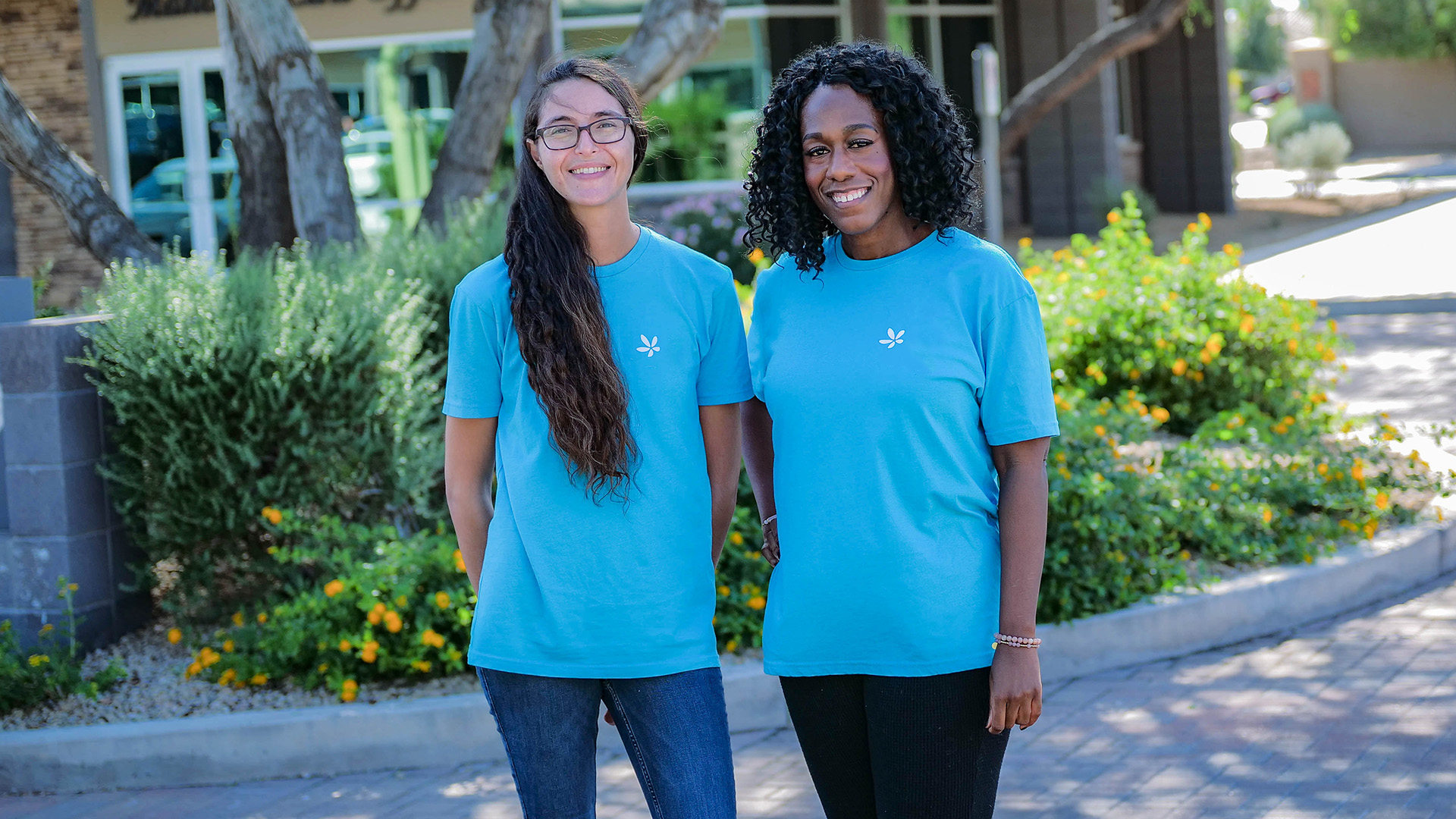
In this episode, Samantha and Reux—autistic adults working in applied behavior analysis—share their personal journeys from diagnosis to professional life. They reflect on early employment challenges, the critical role of workplace support, and why autistic voices matter in the field. Their stories offer hope to families, guidance for new behavior technicians, and a powerful reminder of the independence and success autistic individuals can achieve.

View the transcript, show notes, and previous episodes at: https://www.allautismtalk.com/episodes/autistic-voices-in-aba-the-conversation-the-field-needs

All Autism Talk is sponsored by LEARN Behavioral.

How LEARN Enhances BCBA Exam Prep with ABA Technologies

If you are pursuing psychology, education, sociology, or behavior analysis, you might be considering becoming a board certified behavior analyst (BCBA). A significant milestone on that path is passing the BCBA exam. At LEARN Behavioral, we understand how challenging this can feel and are here to support and empower you through every step. That’s why we partner with the ABA Technologies BOOST program (BOOST), a research-based online study tool. BOOST helps LEARN team members feel confident, informed, and supported while studying for the BCBA exam. 

Our partnership with BOOST gives employees access to high-quality BCBA exam prep resources. These tools help build a strong foundation of knowledge and practical skills so employees can feel prepared and ready for success. In this blog, we break down how BOOST works and how it supports our team members preparing for a career in behavior analysis. 

Understanding the BCBA Exam Structure 

If you are new to the BCBA exam, it helps to know what you are preparing for. The test includes 175 multiple-choice questions that cover essential areas like behavior assessment, teaching and intervention strategies, and professional ethics. Understanding these topics is key to building a smart, focused study plan. 

Success on the exam requires more than just memorizing facts. Candidates must also be able to apply what they learn in real-life situations. That includes designing behavior support plans, interpreting assessment data, and critically analyzing ethical dilemmas. These skills are essential for any BCBA role and are tested on the exam. 

Whether you are finishing a degree or acquiring practicum hours, it is vital to use a strategic approach to studying. LEARN’s partnership with BOOST gives team members access to structured, easy-to-use tools that support learning and confidence-building throughout the study process. 

Overview of the ABA Technologies BOOST Program 

The ABA Technologies BOOST program is an online platform for people studying for the BCBA exam. BOOST includes helpful resources like interactive lessons, practice exams, and real-time feedback. The platform also includes videos, quizzes, and case studies, making the learning experience more engaging and effective. 

What makes BOOST stand out is that it focuses not only on passing the exam but also on preparing you for the work you will do as a BCBA. The study modules are built to match the exam content and give practical examples of how to apply concepts in real-world settings. 

Many people who use BOOST share success stories about how the platform helped them feel more prepared. These stories highlight BOOST’s ability to make tough topics easier to understand and build confidence that helps people succeed. 

“I really enjoyed BOOST. It had a great combination of exactly what I needed, like mock questions and SAFMEDS. I even loved the podcasts, as they were perfect for listening to while driving and cooking.” Grace R., Behavior Analyst I

For LEARN Behavioral employees, access to BOOST is free. This program usually costs $225, but we cover that expense to support your professional growth. 

Effective Study Strategies with BOOST 

Preparing for the BCBA exam can feel overwhelming, especially if you are balancing work, school, or other responsibilities. BOOST helps reduce that pressure by offering flexible study tools that you can adjust to fit your needs. For example, it includes study plans you can personalize based on your schedule and goals. 

Whether you are just getting started or are in the final stretch of studying, BOOST helps you build a study routine that works. Tools like quizzes and real-life case examples help bring the material to life, making it easier to understand and remember key concepts. 

Time management is also a big part of doing well on the exam. BOOST includes tips on how to break study time into shorter, more focused sessions, which can help you stay energized and avoid burnout. By setting clear, manageable goals for each study session, you can track your progress and stay motivated. 

Leveraging Practice Exams for Success 

Practice exams are one of the most important parts of BCBA exam prep. These mock exams mimic the real test experience, allowing you to get comfortable with the format and pace of the actual exam. Taking practice tests can also help reduce test-day anxiety. 

LEARN includes access to high-quality practice exams through BOOST. These tests are designed to match the content and structure of the real BCBA exam, so you know exactly what to expect. 

After each practice exam, BOOST gives you feedback that helps you see where you are doing well and where you might need more review. This kind of feedback allows you to focus your energy where it counts. Over time, it helps build both knowledge and confidence. 

Additional Resources for BCBA Exam Preparation 

Preparing for the BCBA exam takes time and effort, but BOOST offers a wide range of resources to help you succeed. In addition to study guides and practice exams, you can access video lectures and interactive modules that explain complex topics in simple, clear language. 

BOOST also includes access to online forums and study communities where candidates can share tips, ask questions, and stay connected. This sense of community can be especially helpful for people who learn best by talking things through or working in groups. 

The BOOST platform is updated regularly to keep pace with the latest information in applied behavior analysis (ABA). That means you will learn the most up-to-date strategies, research, and best practices throughout your prep journey. 

As a LEARN team member, you have access to these valuable resources at no cost. It is part of our commitment to helping you not just pass the BCBA exam but also thrive in your career as a behavior analyst. 

By using BOOST and the support available at LEARN, you are not only preparing for an exam. You are also building the skills, confidence, and knowledge you need to make a lasting difference in people’s lives. 

To learn more about becoming a board certified behavior analyst (BCBA) with LEARN, visit our Advance Your Career page

ABA Technologies, Inc. is a pioneering leader in applied behavior analysis education and certification support. Founded by Dr. Jose Martinez‑Diaz, Ph.D., BCBA‑D, ABA Technologies offers a comprehensive suite of services including RBT® training, BCBA® continuing education, hands-on professional development, and their renowned BOOST exam-prep programs to empower behavior analysts at every stage of their career. 

From Coast to Capital: How Leah Jones Transferred Roles After a Military Move 

Just a year into her job in California, Leah Jones learned her husband, a Marine, had been ordered to relocate to Maryland. 

Leah was a board certified behavior analyst (BCBA) at LEARN Behavioral’s Autism Spectrum Therapies (AST) San Marcos Learning Center. She expected she’d have to apply for new jobs and face a delay between roles. But thanks to LEARN’s national network, she was able to continue working without interruption. 

When she found out her husband had new orders for Joint Base Andrews, Maryland, Leah contacted her clinical director. She figured she’d have to resign and hope for the best on the East Coast. Instead, she found support, open communication, and a seamless transfer. 

Both AST and SPARKS are part of LEARN Behavioral’s nationwide group of providers. Because of this, Leah was able to move directly into a new BCBA role at SPARKS’ Springfield, Virginia office. Her story reflects how LEARN helps clinicians continue their careers across state lines, reducing stress and avoiding gaps in employment. 

“I fully anticipated I’d have to do the norm: apply for jobs, go through the whole thing,” Leah says. “There’s usually a delay, a month or two between jobs. But it was really seamless.” 

Unexpected Orders, Smooth Transition 

Leah had been with AST for a year when the move came. Though she and her husband had planned to stay in California longer, they got orders earlier than expected. Leah reached out to her regional clinical director, Michelle Stone, to give several months’ notice and ask about next steps. Michelle connected her with Kayla Bagnato, a regional director for SPARKS, who let her know there were open positions in the area. 

Within weeks, they worked out a transition.  

“I worked up until we moved,” Leah says. “We took two weeks off to actually do the full, complete move, to drive and get unpacked. Then I started here at the end of the two weeks. It was really nice. It definitely reduced a lot of the stress to do with a move.” 

Adjusting to a New Environment 

Leah now lives at Joint Base Andrews and commutes about 23 miles to the Springfield Learning Center. A few months in, she’s adjusting to a new commute and environment. 

At AST, she mostly worked in homes. Now, she primarily works in a center with some community-based clients. Still, she says the transition has been relatively smooth. 

“The structure as a whole was pretty cohesive,” Leah says. “There are definitely some differences, mainly because of funding sources on the East Coast versus West Coast. But as a whole, it’s pretty similar.” 

Advice for Others 

Leah encourages others who may need to relocate to reach out early and communicate openly. 

“It was honestly pretty easy,” she says. “Michelle helped me on the front end, and Kayla handled a lot on the back end.” 

She recommends asking about caseloads, billable hours, and the nature of the new work setting to avoid surprises. 

LEARN Behavioral’s coast-to-coast network allows clinicians like Leah to stay with the company, no matter where life leads. With planning and support, transferring within the organization is not only possible, but also practical. 

Want to learn more about internal transfers and job opportunities within LEARN Behavioral? Visit LEARN’s careers page to explore current openings across the country. 

BCaBA vs BCBA: What’s the Difference Between a BCaBA and a BCBA? 

When pursuing a career in autism therapy, it’s essential to understand the qualifications and roles of professionals in the field. 

Two key titles you will encounter are known as board certified behavior analysts (BCBAs) and board certified assistant behavior analysts (BCaBAs). Though they sound similar, they have distinct differences.

The main difference between the BCaBA vs BCBA titles is the level of education and supervision required for each. Let’s explore more about each role.

BCaBA vs BCBA Requirements: What Level of Education Do I Need?

The titles “BCaBA” and “BCBA” are the two main certifications in the field of applied behavior analysis (ABA) therapy. That may sound like a lot of alphabet soup, but let’s break it down:

  • A BCaBA requires a bachelor’s degree, while a BCBA requires both a bachelor’s and master’s degree. 

The roles also require a different level of supervision.

  • A BCaBA can’t practice without supervision from a BCBA or BCBA-D (doctoral-level BCBA). A BCBA can practice independently and supervise others.

What Does the Coursework Include?

There is a difference between BCBA and BCaBA coursework required. To become a BCBA, coursework covers ABA therapy for autism, ethics, measurement, experimental design, and behavior assessment. Additionally, candidates must complete supervised fieldwork and pass the BCBA exam.

For BCaBA certification, a minimum of a bachelor’s degree in behavior analysis, education, or a related field is required. Like the BCBA, candidates need coursework in ABA, ethics, measurement, experimental design, and behavior assessment. They also need to complete supervised fieldwork and pass the BCaBA exam.

Both certifications require continuing education to stay up to date with the latest advancements in the field. 

BCBA vs BCaBA: What Do They Do?

BCaBAs and BCBAs both work with people who have developmental disabilities, such as autism, to help them change their behavior and lead more fulfilling lives. 

These professionals use scientific approaches such as ABA therapy. They work in a variety of settings, including schools, homes, learning centers, and the community.

BCaBAs and BCBAs conduct assessments, develop individualized treatment plans, and work with families who have kids on the autism spectrum.

How Much Autonomy Does a BCBA vs BCaBA Have?

Supervision requirements and levels of autonomy differ between BCaBAs and BCBAs. BCBA candidates need a minimum of 1,500 hours of supervised experience, including at least 75 hours of face-to-face supervision from a qualified BCBA. BCaBA candidates require 1,000 hours of supervised experience, with at least 50 hours of face-to-face supervision.

One difference between a BCaBA and BCBA is that BCBAs generally have more autonomy, conducting assessments, developing behavior plans, and directly supervising others. BCaBAs, while crucial in treatment, work under a BCBA’s guidance, using behavior plans and collecting data. Together, they use evidence-based interventions tailored to each person’s needs. 

What Kinds of Career Opportunities Are Available for a BCBA vs BCaBA?

Career prospects for BCBAs and BCaBAs are promising, driven by the growing demand for autism therapies. BCBAs can work in schools, clinics, and private practices, often holding supervisory roles and conducting assessments.

Both roles offer advancement opportunities. BCBAs can pursue advanced certifications like BCBA-D, leading to higher-level positions and research opportunities. BCaBAs can gain experience, pursue higher education, and take on more responsibilities, such as supervising other BCaBAs.

Specializations within behavior analysis — such as early intervention or verbal behavior — allow professionals to focus their expertise and advance their careers. Staying informed and pursuing ongoing professional development can lead to successful and fulfilling careers in autism therapies.

BCaBA Salary vs BCBA Salary: What’s the Difference?

Across the country, BCBA salaries typically range from $55,000 to $85,000 per year, influenced by experience, location, and work setting. BCaBAs earn between $35,000 and $55,000 per year, with similar influencing factors.

Geographic location, level of experience, specialization, and work setting all affect BCBA vs BCaBA salary levels. BCBAs and BCaBAs working in educational institutions or private clinics may earn higher salaries compared to those in nonprofit organizations.

While BCaBAs earn lower salaries, they play a crucial role in providing behavior analysis services under BCBA supervision. Ultimately, career goals, desired responsibility level, and commitment to professional development should guide the choice between these positions.

BCBA or BCaBA: How Do You Choose the Right Career Path?

If you’re seeking a career in autism therapy, both roles are crucial positions. You can start at one level and work your way up through education and experience. It’s common for people to earn an assistant certification before working toward becoming a BCBA.

Many BCBAs first earn a bachelor’s degree in psychology, education, or ABA, then pursue a master’s degree in ABA or a related field. The job growth rate for BCBAs is projected to be 8 percent from 2020 to 2030, which is faster than average for psychologists.

To learn more about BCBA or BCaBA job opportunities available at LEARN, visit our careers page.

RBT vs BCBA: What’s the Difference Between a Registered Behavior Technician (RBT) and Board Certified Behavior Analyst (BCBA)?

When it comes to careers in the field of autism therapies, understanding the distinct roles of the professionals involved is crucial. 

Two key positions in this field are registered behavior technicians (RBTs) and board certified behavior analysts (BCBAs). While both play essential roles in delivering effective therapy, they differ significantly in their responsibilities and qualifications. Learn about RBT vs BCBA salaries, roles, and more below.

Understanding the Role of a Registered Behavior Technician (RBT)

The role of an RBT is an entry-level position in the field of autism therapy. RBTs provide direct therapy to people with autism under the supervision of a BCBA. 

To become an RBT, you must complete a 40-hour RBT certification, meaning a training program covering essential topics such as behavior management, data collection, and ethics. You must also pass a competency assessment and undergo a background check. At LEARN, we provide thorough behavior technician training and ongoing support for all BTs and RBTs.

RBTs work with behavior intervention plans, collect data on client progress, and keep clients safe during therapy sessions. They play a vital role in teaching and reinforcing new skills, promoting independence, and reducing behaviors that interfere with growth and learning. RBTs work closely with BCBAs, following their guidance and reporting progress and challenges observed during therapy sessions.

Exploring the Role of a Board Certified Behavior Analyst (BCBA)

A BCBA is a highly trained professional who specializes in assessing, designing, and using behavior intervention programs for people on the autism spectrum. 

To become a BCBA, you must hold a master’s degree in behavior analysis or a related field such as psychology or education. Additionally, you must complete a defined number of supervised fieldwork hours and pass the BCBA certification exam administered by the Behavior Analyst Certification Board (BACB)®.

BCBAs are responsible for conducting assessments to identify the needs and goals of people on the autism spectrum. Based on these assessments, they develop behavior intervention plans tailored to each person’s unique needs. 

BCBAs also provide training and support to other professionals, caregivers, and educators involved in the person’s treatment. BCBAs offer ongoing supervision and oversight to RBTs and other behavior therapy staff, and they make necessary adjustments to optimize outcomes. 

BCBAs collaborate with other professionals, such as speech language pathologists, occupational therapists, school staff, and case managers to provide comprehensive care for people with autism.

Comparative Analysis: BCBA vs RBT

Here are the key differences in terms of educational qualifications, scope of practice, and career opportunities for a BCBA vs RBT:

  1. Educational Qualifications: RBTs need at least a high school diploma or equivalent and must complete a 40-hour training program approved by the BACB. In contrast, BCBAs are required to hold a master’s degree in behavior analysis or a related field, complete supervised experience, and pass a rigorous certification exam.
  2. Scope of Practice: RBTs work under the supervision of a BCBA, focusing on implementing behavior intervention plans and collecting data. BCBAs have a broader scope of practice, including conducting assessments, developing treatment plans, and overseeing the implementation of interventions. BCBAs have more autonomy and are authorized to make clinical decisions.
  3. Career Opportunities: RBTs typically provide direct therapy in various settings, such as schools and homes. BCBAs have more diverse career paths, including roles as consultants, supervisors, or private practitioners. RBT vs BCBA salary levels can vary across the country. Because of their advanced education and responsibilities, BCBAs generally earn higher salaries.

Both RBTs and BCBAs play important roles in autism therapy, complementing each other to provide comprehensive support and intervention for individuals with autism. Understanding these RBT vs BCBA roles can help you make informed decisions about your career path in this rewarding field. To learn more about behavior technician jobs and ABA career opportunities available at LEARN, visit our careers page.

Join Our Team of Behavior Analysts

What’s it like to work as a Behavior Analyst with LEARN Behavioral and our network of providers? Hear from real Behavior Analysts about what their experience has been like.

LEARN more about how you can pursue excellence with LEARN by visiting our Advance Your Career page.

Selecting an ABA Graduate Program

Graduate school is not something to be entered into lightly. A graduate degree is a big financial investment and requires a great deal of your time for about a 2-year period. It also prepares you for the next stage in your career. Choose your program wisely to set yourself up for success! Here are some important things to consider before you make the big leap:

1)     ONLINE OR IN-PERSON?

Do you want to take your classes online or in-person? If you prefer to take classes in-person, think about commuting time, parking logistics, and be sure to get find out their Covid-cancellation policies. If you want an online experience, inquire about whether the program is synchronous (students attend online class with the professor at a set time), asynchronous (classes can be done on your own time), or a combination of the two. Graduate school will be one or your highest priorities for a couple of years, so find a program with a format that works for your learning style.

2)     PASS RATE

Graduate programs sometimes post their “pass rates,” or the percentage of their graduates who pass the BACB exam. The pass rate is not the be-all end-all, but it’s one indication as to how effectively the program prepares graduates to take the certification exam.

3)     CLASS TIMES

When classes are in-person or synchronous, the course schedule will directly affect the times you are available to work. If you have a set schedule at work, be sure the class times won’t affect your availability. If you’re looking for a job that will help you meet the BACB experience requirements, knowing class times allows you to give potential employers accurate availability.

4)     FIELDWORK: PART OF THE PROGRAM?

In order to sit for the BACB exam, you will need a degree and a certain amount of supervised fieldwork (check the BACB website for the specifics). Some graduate programs include fieldwork supervision as part of their course of study and others don’t. Programs that don’t support fieldwork are considerably cheaper, but students should understand that they will be responsible for finding their own supervisor. This may mean paying a BCBA to provide supervision, which makes the tuition savings less significant. Before choosing a program, take time to become familiar with the BACB fieldwork requirements and understand what the graduate program does and does not provide.

5)     FIELDWORK: WHAT TYPE?

If the program you’re considering includes supervision, find out which type. The BACB allows applicants to do Concentrated Supervised Fieldwork (1,500 hours) or Supervised Fieldwork (2,000 hours), but most universities only support one of these options. Please note that these hours are subject to change per the BACB.

6)     FIELDWORK: SITE

Will the organization you work for be able to fulfill the requirements that the graduate program requires of their field sites? You don’t want to get into a graduate program only to realize it’s not compatible with where you work. Find out if any of your colleagues have gone through the program you’re considering so you can get the scoop on how well the program fits into your job site.

7)     FINANCIAL

Beyond looking at cost-per-credit and total tuition, you should also ask for cost estimates of books, materials, and fees. Keep all relevant costs of the various programs you are considering in a spreadsheet for easy comparison. Also, be sure to ask what scholarships, grants and discounts are available. At LEARN, we value our employees’ desire to pursue higher education. That’s why we’ve partnered with universities across the country to help make education for our employees more affordable and accessible.

Choosing to go to graduate school is a monumental decision that will open a lot of doors for you. Select your program carefully to ensure that it’s a fit for you and a great investment in your career!

Voices for All: Sam Krus – An Interview Discussing Gender Diversity

First off, let’s talk about gender identity.  How do you identify?

I identify as floating between more of a masculine view and a gender-neutral view. If I was going to put a label on that, the closest I’ve heard is demi.

Now of course, gender identity is different than gender expression. Can you tell me a little bit about your gender expression?

I’d say my gender expression comes more with whatever accessories I have with me or how I decorate my house. Clothing-wise, I dress for practicality and male clothing is more designed for practicality rather than decorative purpose so I generally dress more “male.” But I have some feminine-tinged decorations around the house. My big aesthetic is horror, folklore, and mystery (not violence).  [Sam turns the camera to show me a well-organized closet and shelving system filled to the brim with a bright assortment of costumes.]  I have a lot of things based around ghosts and creatures. I’m interested in strange anatomy, not the act of doing harm. How bodies move, the forms of a body, the wings, the features. 

I also carry a lot of toys in my car for work, like child-appropriate things that I feel like anybody could play with; I like to have these items with me. It makes me feel like I’m passionate about my job and also, I can zone out and [play with] them. That’s how I establish my aesthetic more than what I wear. 

One thing [about my gender expression] that’s my actual body is my long hair. It’s partially a feminine thing but also a gender-neutral thing. On me, it doesn’t look feminine, so it’s blending both. My gender expression is how I surround myself with objects, and I pick objects that are not specifically gender coded…but if they are gender coded, they’re more coded toward feminine. Like the fashion dolls, but those have a component of horror and mythology, which I don’t view as being a gender-coded subject.  

How does being gender-expansive affect your life?

It affects my life mostly in my interests and how open I am. I feel like I have to pick and choose what parts of myself I’m going to share; whether that’s going to be welcomed or not. It only affects me fairly mildly, I know for other gender diverse people it affects them more. For me [the question is], “this is something I like, is this something I keep to myself or something I share with somebody else?” 

I have interests that are not considered masculine. For instance, in the other room, I have a shelf full of dolls. That’s something that I used to feel was inappropriate. 

These barriers are fading with these new generations, but there are autistic adults that have things that are not viewed as age-appropriate interests. There are these set boundaries of what is appropriate for you to be interested in that you transgress. Your interests and the boundaries that you transgress go hand-in-hand with being gender diverse and being autistic. 

How did you first recognize that you were demi, or gender-diverse?

A big thing that made me realize that I was gender-diverse was that I watch a lot of cartoons, a lot of shows with younger people. I like shows where there’s an all-girl cast; I identify with them a lot more than shows where there’s an all-male cast. [How an all-girl cast relates to each other is] how I want to talk to people. Because that’s more of an intimate, caring viewpoint. I wonder if that’s going to come off as weird or especially because I’m a man, is that going to come off as sexual and therefore threatening. I wonder how to approach people, because I want to approach people in a very caring way; but do I need to stamp that down? Sometimes, I’m meaner than I feel like I should be in terms of jovial insults to balance it out. I think, “I’m being too considerate, too genuine, I have to call you an idiot now. Oh, wait, was that too harsh to call you an idiot?” 

Can you tell me more about your fashion dolls? 

As a kid I liked dolls. Getting a toy from McDonalds, if the choice was the car or the Barbie, I wanted the Barbie. I liked that they had arms and legs that I could manipulate, I was more of an action figure person. Besides McDonald’s, I was never interested in them on my own, but as an adult in 2014, I came across Monster High dolls. The idea is that they’re based on monsters from folklore as teenagers and they each have something with their body they have to deal with. The Frankenstein girl, her body occasionally falls apart. The doll from the black lagoon has a skin condition where she constantly has to moisturize or she dries out. They all have an inconvenience that they have to deal with, they’re just accepted for who they are. For me that’s a very autistic narrative, very living-with-a disability narrative. 

Tell me about being a gender-diverse BCBA:

And then when it comes to gender diversity, that comes into effect more with interests…. If my kid likes vacuums, I will bring my vacuum…. If my kid likes fairy tales, mythology, or magic, I will go to the library and get 11 books on fairies, and we’ll just go through them together and pick out our favorite creatures. There have been a couple of times where parents have wanted their kids to stop being interested in what they’re interested in and be interested in something more “gender appropriate.” I had to think about how I would approach this to defend my client without revealing too much about myself. I’m a man working with children and there’s a stigma about men working with children, with queer people working with children, with homosexuals working with children. I feel if I’m revealing too much about myself or not enough, there could be a misinterpretation, they might view me as a danger to their child when I’m just trying to defend them. Fortunately, I haven’t had to deal with it too much.

Tell me about being an autistic BCBA:

Primarily, being autistic is what comes into play when I’m working with the kids, and more often, with the parents when I don’t necessarily come into conflict, but I come in to decisions that need to be made, and how I approach things. When that comes in as a general rule, I never let any parents know that I’m autistic because I don’t want to set myself up as an example of what their kid is going to be or create the illusion that I’m an expert in autism. 

So…you are autistic and work to support people who are autistic…but you don’t consider yourself an expert in autism?

The thing is that when I was younger, I tried to be an expert in autism, and I realized how much pressure I was putting on myself, undue pressure, because autism is such a wide thing. I tried to make myself a representative and I realized that it was kind of out of guilt for being autistic, where I was like, “I’m sorry I’m this way, let me be as easy to understand, let me be a lesson.”  Only in my adult life did I kind of realize that, so I’m trying to un-do that pattern of behavior.

Because it took a toll on your mental health?   

Right. And because it’s stressful. And because it’s not true. No doctor, people assume that an expert knows absolutely everything. And nobody knows everything about autism. We barely understand it.  There’s like 400 genes that affect it, and we don’t know how they affect it, they just do. And we know some techniques that we can use to help people learn what they normally would not be able to learn, we know some of the symptoms, but the definition is always changing. Autism is that something you can’t really be an expert in, you can just be knowledgeable. 

Sam Krus is a BCBA in Waukegan, IL who practices in Kenosha and Madison, WI. Sam enjoys fashion dolls, podcasts, making costumes, role-playing games, board games, and reading when they have the time and energy. 

Women in Behavior Analysis with Devon Sundberg

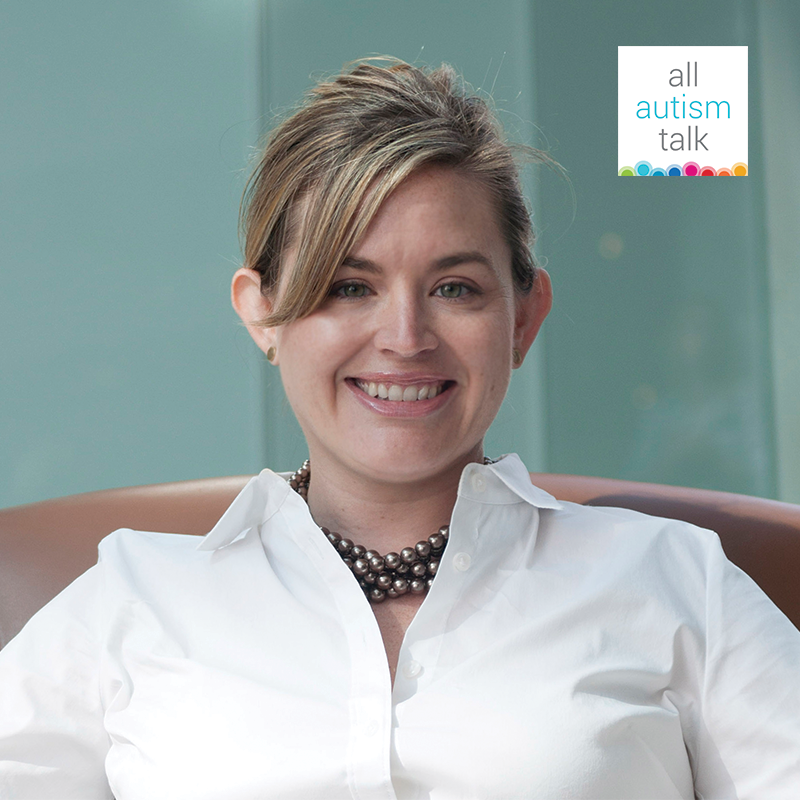
Devon Sundberg, M.S., BCBA is the founder of the groundbreaking (and long overdue) Women in Behavior Analysis Conference (WIBA).  Devon shares how raising three daughters helped open her eyes to how gendered life can be (including party food). Having previously founded an ABA company (BACA) with her husband, Devon was acutely aware of the need for more awareness of the women in her field. Devon shared,  “The research shows, this is a field full of women and yet we haven’t received the professional appointments or the awards or been invited presenters at the Ph.D. level.” This year at the 5th WIBA conference(July 29-31), will include inductees to the Women in Behavior Analysis Hall of Fame.

For More Information:

https://thewiba.com/
https://www.facebook.com/womeninbehavioranalysis/
https://www.instagram.com/wiba_conference/
https://twitter.com/WomeninBA
https://www.linkedin.com/company/women-in-behavior-analysis/

All Autism Talk (allautismtalk.com) is sponsored by LEARN Behavioral (learnbehavioral.com).