New Autism Learning Center Opens Doors in Norco, CA

Flexible Hours and No Wait List for Inland Empire Area Families

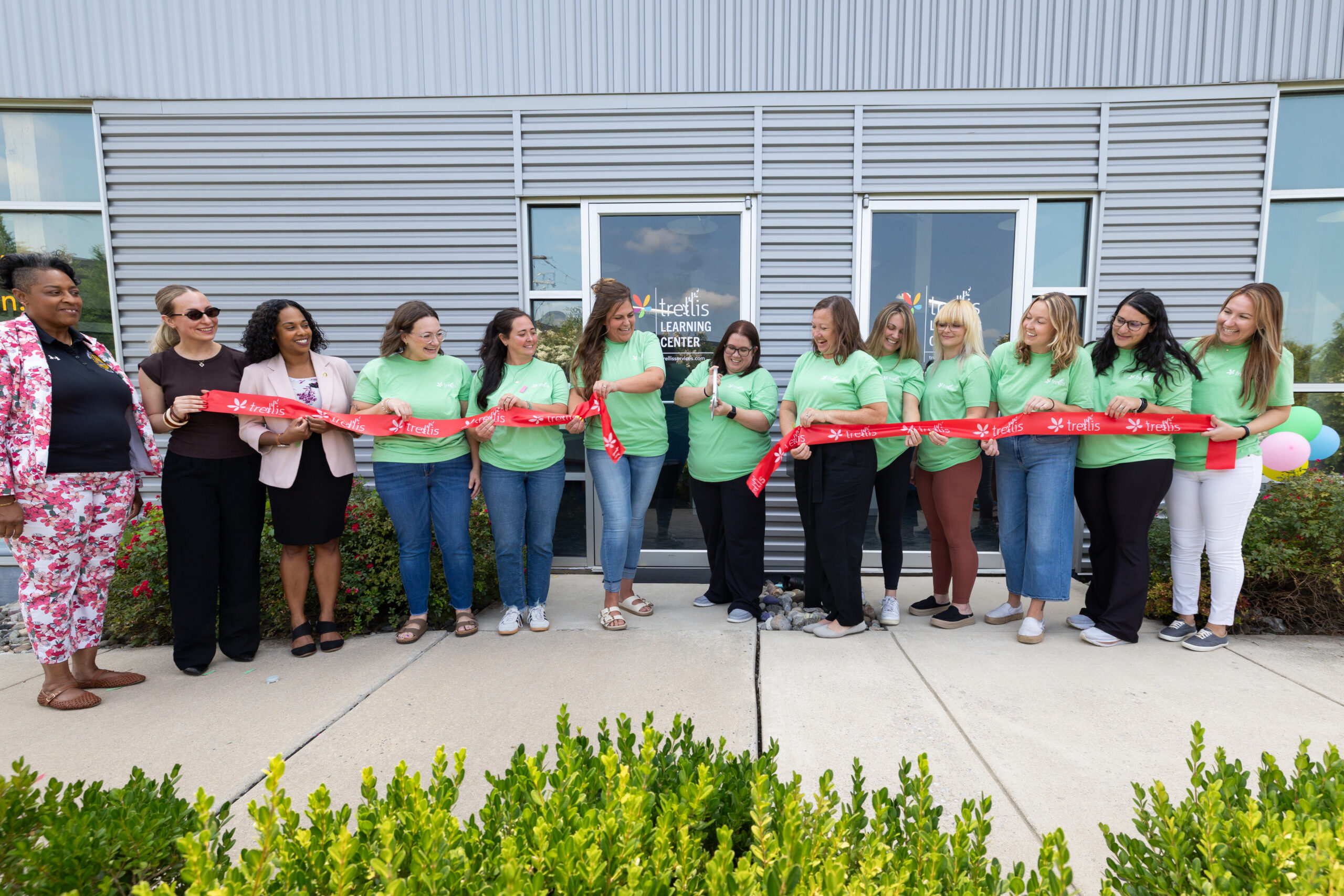
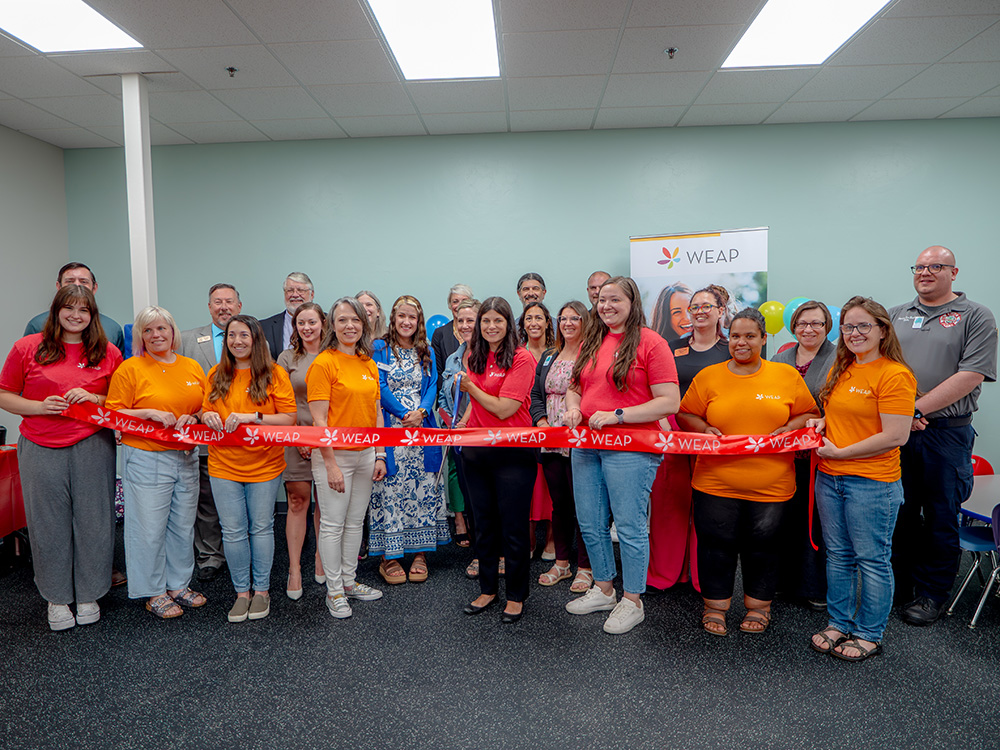
Autism Spectrum Therapies (AST), a provider of LEARN Behavioral, is proud to announce the opening of its new Norco Learning Center at 1731 Third St, Norco, CA 92860.

AST provides contemporary applied behavior analysis (ABA) center-based autism services for children ages 1-12 years. The Norco Learning Center provides center-based and in-home ABA therapy, parent education, and Social Skills Programs.

“We’re excited to have the opportunity to partner with new families in Riverside County and look forward to helping find success for every child in our care,” said Bri Waterbury, M.A., BCBA, Regional Clinical Director.

Key Features of the Norco Learning Center:

  • Large facility, which includes an indoor play structurefor physical and social development, as well as small group rooms.
  • ABA therapy, which includes a learning-rich environment, unique play-based learning spaces, and one-on-one support.
  • A unique combination of center-based and in-home services to best cater to families’ needs.
  • Social Skills Programs, including seasonal programming.
  • Flexible treatment hours, including after-school and weekend hours, to accommodate busy family schedules.
  • Serving children 1-12 years old.
  • Conveniently located adjacent to Riverside Community College and easily accessible via I-15 for families in the region.

The new location in Norco is enrolling new clients with no wait list.

About AST

AST, part of the LEARN Behavioral network, is one of the nation’s leading providers of compassionate autism care. In addition to the Norco Learning Center, AST has ABA therapy locations in Azusa, Chula Vista, Long Beach, Menifee, Orange, Riverside, San Gabriel, San Marcos, Santa Ana, Temecula, and Victorville, as well as a corporate office in Ontario. AST is also opening a Learning Center in Ontario later this spring.

For more information or to enroll a child at the Norco Learning Center, call (866) 727-8274or visit https://autismtherapies.com/locations/inland-empire

About LEARN Behavioral

LEARN Behavioral is a national leader in autism treatment, offering comprehensive diagnostic services and contemporary applied behavior analysis (ABA) therapy for children with autism spectrum disorder (ASD). With a nationwide network of ABA providers and more than 100 Learning Centers across the country, LEARN delivers the highest standard of evidence-based care—customized to meet the unique needs and interests of each child and family. For more information, visit learnbehavioral.com.

Autism Learning Center Opens Doors in Sturbridge, MA with Ribbon Cutting Celebration

BCI welcomes families to their new location.

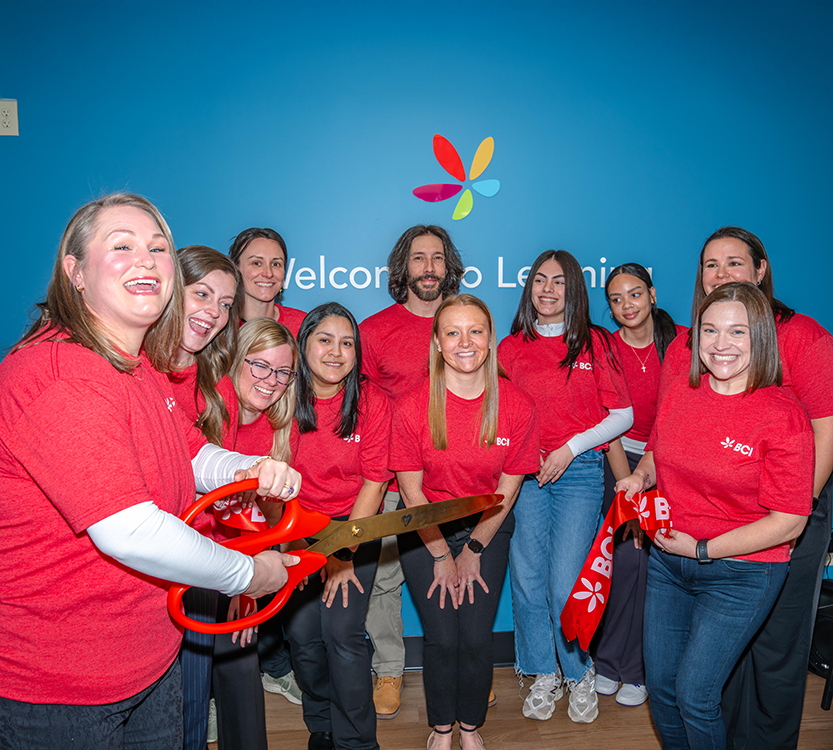
Behavioral Concepts (BCI), a provider of LEARN Behavioral, officially opened its doors with a ribbon-cutting ceremony at its new Sturbridge Learning Center, 179 Main Street, Suite 2, Sturbridge, MA 01566.

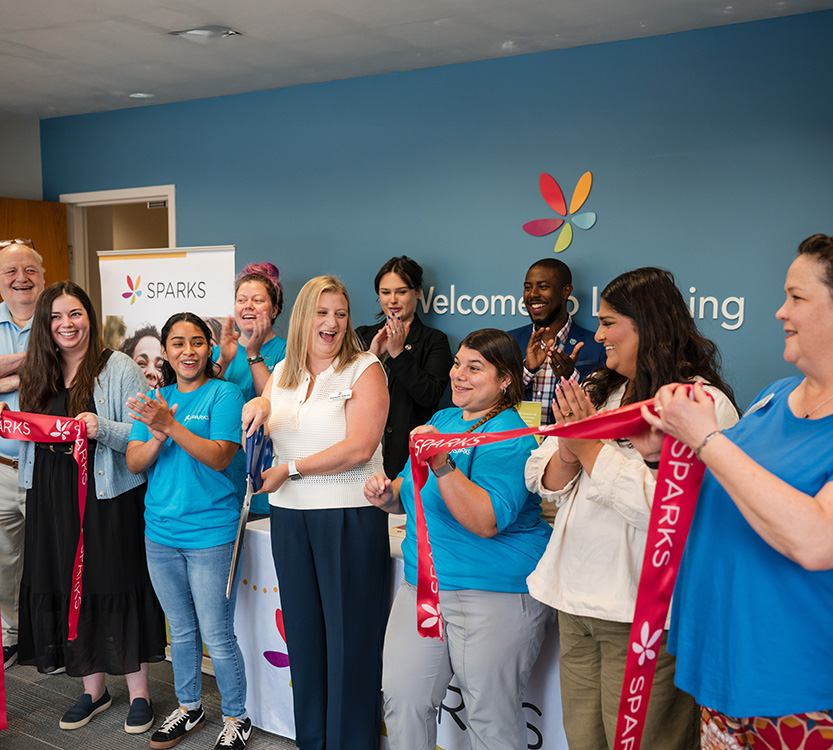
A ribbon-cutting ceremony hosted by the Worcester Regional Chamber of Commerce was held on March 26, 2026.

During the ceremony, State Representative Todd Smola and Amanda Hellyar, District Director for Senator Ryan Fattman, shared greetings and remarks. Erika Burrows, President of the Worcester Regional Chamber of Commerce, and Town Administrator Robin Grimm also shared remarks.

Members of the Worcester Regional Chamber of Commerce and other guests were in attendance.

Ribbon-cutting attendees were able to tour the facility, enjoy light refreshments, and meet BCI’s leadership team, Annaleisa Delgado, BCBA, LABA, Regional Clinical Director, and Tiffany Zayas, M.S., BCBA, LABA, Senior Regional Clinical Director.

“We’re proud to bring compassionate, high-quality ABA therapy to families in the greater Sturbridge area,” said Annaleisa Delgado. “At BCI, we tailor our services to each child and family—offering age-appropriate, engaging learning experiences rooted in science and guided by care.”

BCI is Sturbridge’s premiere contemporary applied behavior analysis (ABA) provider of center-based autism services for children ages 1-12 years. The Sturbridge Learning Center provides center-based ABA therapy, parent education, diagnostics, Early Intervention, and Social Skills Programs. Outside of the center, the Sturbridge team offers in-home ABA therapy.

Delgado continued, “Our new space was designed to support both individual growth and peer collaboration. It’s a place where children can gain essential skills—and where their journey toward success in school and life begins. We’re honored to be part of this community and grateful to offer life-changing services right here in Sturbridge.”

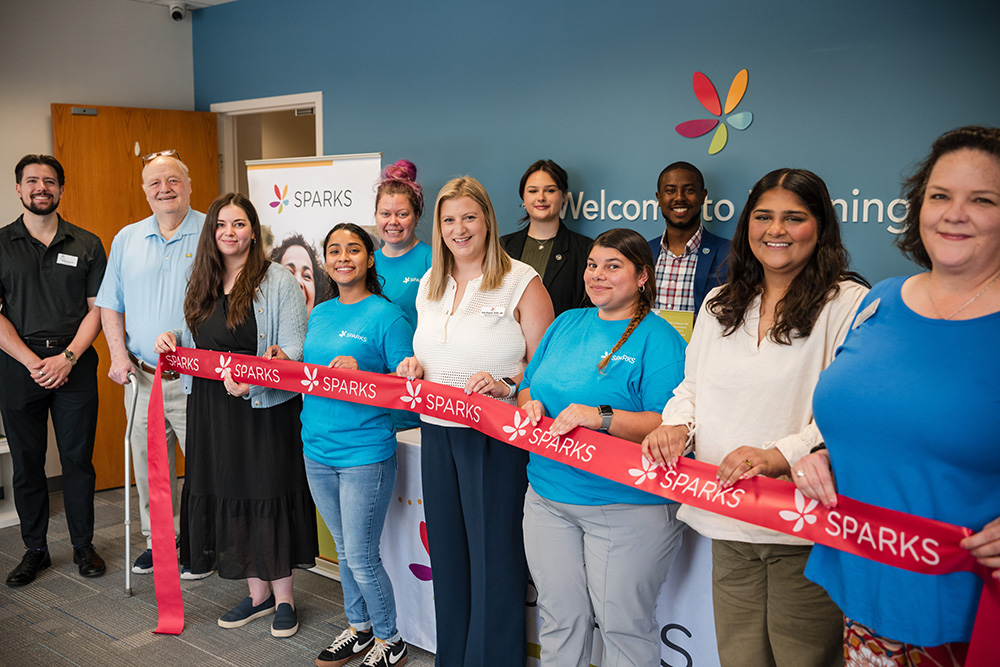
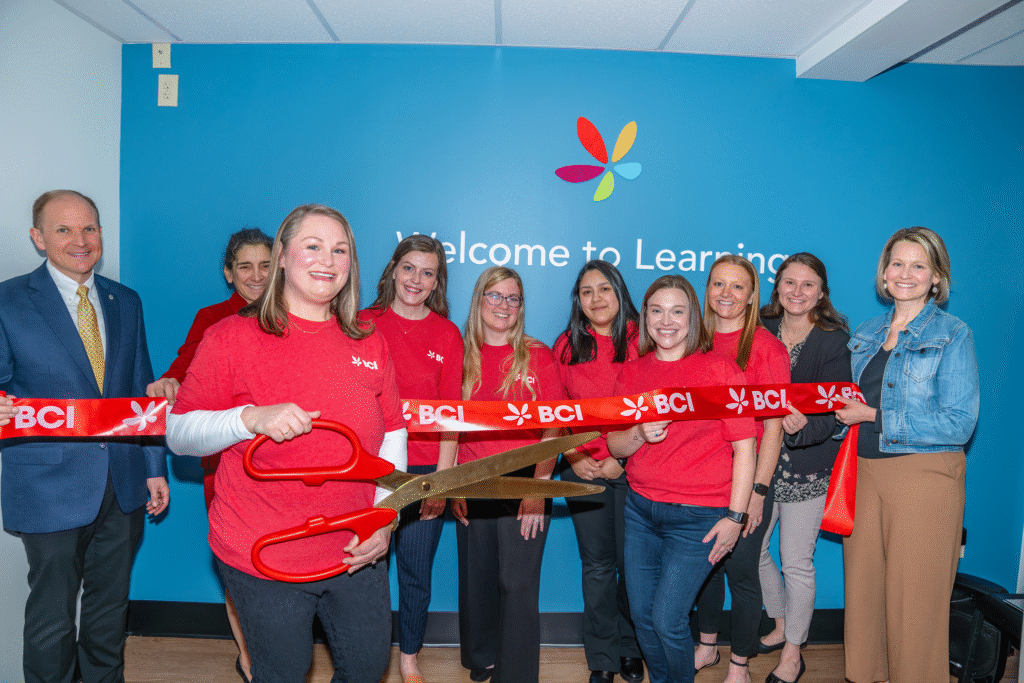
Left to right: State Representative Todd Smola; Robin Grim, Town Administrator; Annaleisa Delgado, Regional Clinical Director of the Sturbridge Learning Center (cutting the ribbon); Britney Catron; Amanda Robitaille; Irene Barajas; Tiffany Zayas; Makenzie Holm-Brien; Amanda Hellyar, District Director for Senator Fattman; and Erika Burrows, President of the Worcester Regional Chamber of Commerce

No Waitlist, Flexible Hours, and Convenient Location

The Sturbridge Learning Center offers after-school treatment hours to accommodate busy family schedules. There is no waitlist. The center is conveniently located near Old Sturbridge Village, I-84, and US-20, and easily accessible for families in the region.

For more information or to enroll a child at the Sturbridge Learning Center, call 508-363-0200 or visit https://bciaba.com/locations/sturbridge

About BCI

BCI, part of the LEARN Behavioral network, is one of the nation’s leading providers of compassionate autism care. For more than 20 years, BCI has been delivering evidence-based services, helping children with autism find success and reach their unique potential.

In addition to the Sturbridge Learning Center, BCI has existing Learning Centers in Beverly, Brockton, Fitchburg, Framingham, Lawrence, Littleton, Lowell, New Bedford, Newton, Springfield, Taunton, Wilmington, two locations in Worcester, MA, and one location in Nashua, NH.

About LEARN Behavioral

LEARN Behavioral is a national leader in autism treatment, offering comprehensive diagnostic services and contemporary applied behavior analysis (ABA) therapy for children with autism spectrum disorder (ASD). With a nationwide network of ABA providers and more than 100 Learning Centers across the country, LEARN delivers the highest standard of evidence-based care—customized to meet the unique needs and interests of each child and family. For more information, visit learnbehavioral.com.

New Autism Learning Center Now Open in Beloit, WI

WEAP Provides Flexible Treatment Hours for Area Families, No Waitlist

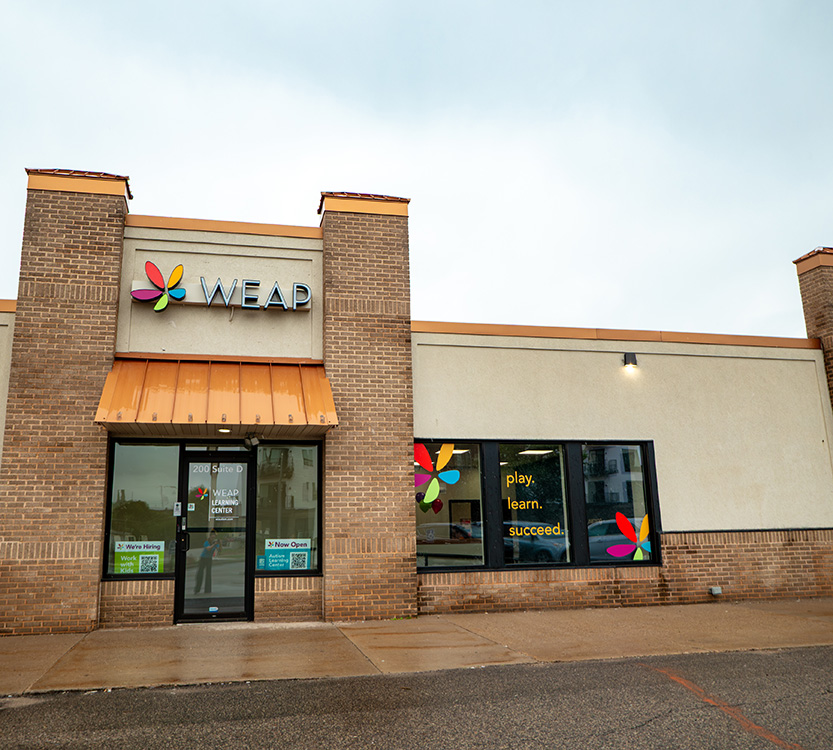
Wisconsin Early Autism Project (WEAP), provider of LEARN Behavioral, is proud to announce the grand opening of its new Beloit Learning Center at 905 Henry Ave., Beloit, WI 53511.

WEAP, celebrating its 30th year, has become a world-renowned leader in early diagnosis and treatment for children with autism. Their evidence-based approach to care has helped thousands of children with autism throughout Wisconsin.

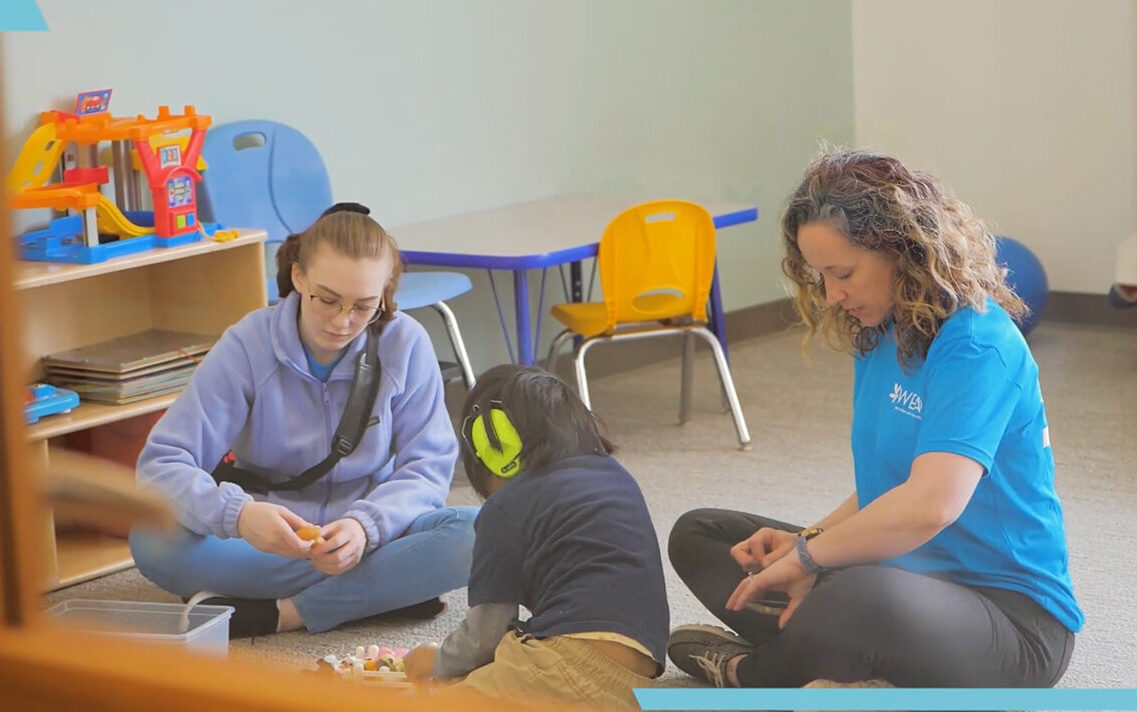
WEAP is Wisconsin’s premiere contemporary applied behavior analysis (ABA) provider of center-based autism services for children ages 18 months to 6 years old. The new Beloit Learning Center provides center-based ABA therapy, social skills programs, parent education (in-home), Early Intervention, and weekend services. The social skills programs offered include Better Together Youth Club and Saturday Squad.

“We launched the new Beloit Learning Center to meet significant demand for ABA autism services in Rock County,” said Christine Laurent, BCBA, LBA, Regional Clinical Director. “We are excited to have the opportunity to partner with new families throughout greater Beloit to help find success for every child in our care.”

With no waitlist and flexible treatment hours to accommodate busy family schedules, the center is now enrolling new clients in Rock County and beyond.

Key Features of the Beloit Learning Center:

  • Experienced leadership brings resources and support to children and families with autism in the community.
  • ABA therapy, which includes a learning-rich environment, unique play-based learning spaces, and one-on-one support.
  • Center-based services in the city of Beloit.
  • School readiness focus, indoorgross motor area, a large indoor play area, a sensory room, and a cafeteria
  • No waitlist and flexible treatment hours to accommodate busy family schedules.
  • Serving children ages 18 months to 6 years old with personalized therapy plans.
  • Conveniently located and easily accessible via US Route 51 and public transportation for families in the region.

For more information or to enroll a child at the Beloit Learning Center, call (608) 662-9327 or visit https://wiautism.com/locations/beloit

In addition to Beloit, WEAP has center-based ABA therapy Learning Centers in Altoona, Brookfield, De Pere, Glendale, Green Bay, Janesville, Madison, Madison South, Menomonie, Milwaukee (Menomonee Falls),Mount Pleasant, Oak Creek, Oshkosh, Reedsburg, Sheboygan, Stevens Point, Sun Prairie, and West Bend. WEAP continues to expand and will open the doors of additional Learning Centers in Greenfield and Kenosha in 2026.

About LEARN Behavioral

LEARN Behavioral is a national leader in autism treatment, offering comprehensive diagnostic services and contemporary applied behavior analysis (ABA) therapy for children with autism spectrum disorder (ASD). With a nationwide network of ABA providers and more than 100 Learning Centers across the country, LEARN delivers the highest standard of evidence-based care—customized to meet the unique needs and interests of each child and family. For more information, visit learnbehavioral.com.

Ribbon Cutting Ceremony held at New Autism Learning Center in South Bend, IN

Behavior Analysis Center for Autism (BACA), provider of LEARN Behavioral, has announced the grand opening of its new South Bend Learning Center at 515 North Lafayette Blvd., South Bend, IN 46601. 

A ribbon-cutting ceremony hosted by the South Bend Regional Chamber was held on Thursday, March 5, 2026.

During the ceremony, Jeff Rea, President and CEO of the South Bend Regional Chamber, shared greetings. At-large Councilwoman Rachel Tomas Morgan and Councilman Pastor Canneth Lee shared remarks.

Members of the South Bend Regional Chamber of Commerce and other guests were in attendance.

Ribbon-cutting attendees were able to tour the facility, enjoy breakfast foods, and meet BACA’s leadership team – Christina Wyse, MS, BCBA, Center Director, and Stacy Apraez, MA, BCBA, Senior Regional Clinical Director.

“We couldn’t be more excited to open our doors to the community to provide important services, including 1:1 therapy in a group setting where children can work on skills, such as communication, activities of daily living, and socialization, while forming friendships,” said Christina Wyse. “We value being a part of the South Bend community and look forward to collaborating with fellow organizations and professionals to help find success for every child in our care.”

BACA is South Bend’s premiere contemporary applied behavior analysis (ABA) provider of center-based autism services. Serving children ages 2-10 with personalized therapy plans and clinical support provided by Dr. Carl Sundberg, a nationally recognized expert in ABA. The South Bend Learning Center provides center-based ABA therapy, in-home ABA therapy, school-based ABA therapy, diagnostics, Early Intervention, Social Skills groups, and parent education. 

The center is now enrolling clients with no waitlist and full-time and part-time treatment hours.

Front Row: Angela Murray, Erin Finch-Smeltzer, Jeff Rae, Christina Wyse, Kristen Robson, Stacy Apraez, Rachel Thomas Morgan, Pastor Canneth Lee, Dale Cole.  Back row: Carrie Paradiso, Ashlee Eckerle, Lyndsey Finch-Smeltzer, Jonathan Carton. 

About BACA 

BACA is part of the LEARN Behavioral network, the nation’s leading provider of compassionate autism care. BACA provides evidence-based autism services and is dedicated to delivering personalized ABA therapy, helping children and families find success.

In addition to South Bend, BACA has a Learning Center in Elkhart, IN, serving children ages 2-16.

For more information or to enroll a child at the South Bend Learning Center, call (317) 288-5232 or visit https://thebaca.com/locations/south-bend/

About LEARN Behavioral

LEARN Behavioral is a national leader in autism treatment, offering comprehensive diagnostic services and contemporary applied behavior analysis (ABA) therapy for children with autism spectrum disorder (ASD). With a nationwide network of ABA providers and more than 100 Learning Centers across the country, LEARN delivers the highest standard of evidence-based care—customized to meet the unique needs and interests of each child and family. For more information, visit learnbehavioral.com.

LEARN Behavioral Opens New Autism Learning Center in Lansing, MI

No Waitlist for Daytime Hours and Flexible Treatment Hours for Michigan Families

Total Spectrum, a provider of LEARN Behavioral, is proud to announce the grand opening of its new Lansing Learning Center at 111 Edgewood Blvd., Suite 14 & 15, Lansing, MI 48911.

Total Spectrum is Michigan’s premiere contemporary applied behavior analysis (ABA) provider of center-based autism services for children and young adults ages 2-22 years. The new Lansing Learning Center provides center-based and in-home ABA therapy and parent education.

“We are excited to open our doors and bring compassionate, contemporary ABA therapy for children and young adults with autism spectrum disorder (ASD) to Lansing and the surrounding area,” said Cheryl Geniesse, M.A., BCBA, Regional Clinical Director.  “We look forward to helping find success for every individual and family.”

Key Features of the Lansing Learning Center:

  • ABA therapy, which includes a learning-rich environment, unique play-based learning spaces, and one-on-one support.
  • No waitlist for daytime hours and weekend (Saturday) treatment hours to accommodate busy family schedules.
  • Serving children and young adults ages 2-22 years old with personalized therapy plans.
  • Conveniently located within the Lansing School District and easily accessible via I-96, M-96, and public transportation for individuals and families in the region.

The center is now enrolling new clients based in Lansing and beyond, with no waitlist for daytime hours and flexible treatment hours.

About Total Spectrum

Total Spectrum is part of the LEARN Behavioral network, one of the nation’s leading providers of contemporary ABA therapy. Total Spectrum has been delivering evidence-based services for more than 10 years, helping children and young adults with autism find success and reach their unique potential.

Total Spectrum has locations throughout Michigan. For more information or to enroll a child at the new Lansing Learning Center, call (844) 263-1613 or visit https://totalspectrumcare.com/locations/lansing

About LEARN Behavioral

LEARN Behavioral is a national leader in autism treatment, offering comprehensive diagnostic services and contemporary applied behavior analysis (ABA) therapy for children with autism spectrum disorder (ASD). With a nationwide network of ABA providers and more than 100 Learning Centers across the country, LEARN delivers the highest standard of evidence-based care—customized to meet the unique needs and interests of each child and family. For more information, visit learnbehavioral.com.

What is Contemporary ABA?

People often say that history is written by the victors. When the colonists won the American Revolution, they described the war as a noble struggle to escape tyranny. Had the British won, history books might have called it a heroic effort to save the empire from ungrateful rebels. 

In the same way, most people in America are able-bodied, so they decide what is “normal.” For example, we might see an autistic brain or someone with poor eyesight (but stronger other senses) as less valuable. But really, these are just different ways of thinking and living. 

For more than 60 million Americans with disabilities, this can be a challenge. They have to fit their lives into a world designed for able-bodied people, even though it would be easy to make the world work for everyone.  

Ableism and Ableist Misconceptions

Contemporary treatments include the individual in planning when possible. Contemporary practices change in response to the voices of those who have received therapy in the past. 

Ableism is when able-bodied people assume everyone is like them and fail to see the challenges people with disabilities face.  

Ableism includes unfair ideas, such as thinking people with disabilities always need help, even if they don’t ask for it. Not all disabilities are visible, which can lead to wrong assumptions about mental illnesses being different from physical ones. These false beliefs make it harder for people with disabilities to be treated equally and included in society.  



ABA Intervention

Applied behavior analysis (ABA) is widely regarded as the most effective treatment for autism, supported by decades of research. It isn’t a single therapy method. Instead, it’s a flexible approach that uses different techniques to help children build the skills they need to thrive at school and in daily life. 

Recently, ABA has increasingly become the target of much controversy as self-advocates are speaking up about their experiences. They reject the idea that teaching people with autism the skills deemed necessary without their input or choice. Some advocates say independence is meaningless without happiness and that people with autism should choose their own goals, which might not include fitting in with others.  

ABA, which is essentially the science of good teaching, has a long history and was originally developed in the 1960s by a group of researchers at the University of Washington. ABA was used to treat individuals with developmental disabilities and initially was a rigid, highly structured and teacher-directed program, which led to some of the negative experiences and associations with ABA. Historically, for example, ABA was used to reduce or eliminate “stimming” – repetitive physical movements and sounds that may soothe and reduce anxiety. We now better understand that stimming helps people with autism manage their sensory processing and their environments. 

Just like in other areas of medicine and science, the field of ABA has advanced in a significant and meaningful way to become a play-based, naturalistic, family-focused and individualized, contemporary treatment that is tailored to the unique needs and goals of everyone. A good ABA program collects and reports data to show effectiveness. Providers must demonstrate success, validated by parents, through goals set with the family. If your provider doesn’t follow this approach, they may not be using best practices.  

ABA now adapts to individual needs by learning from adults. While negative experiences must be addressed, dismissing ABA entirely overlooks its success for many. Good programs focus on the client, seek consent, and value input. Research and ask key questions when choosing a provider.  



What to Look for in an ABA Program 

  • Will I participate in determining the goals of treatment for myself/my child? 
  • How are your staff trained? 
  • How is my child’s program developed? Do all clients receive the same program or are they individualized? 
  • Will there be parent goals as part of my child’s program? 
  • How often is my child’s program modified or revised? 
  • How is data collected and reported? 
  • How often will I see data on my child’s progress? 

Your child’s program should be client-centered and future looking, which means that your family and relevant caregivers are providing input into your child’s strengths and challenges, and that you and your child are helping to guide the goals of his/her program based on your preferences and needs. 

The science of ABA has a long history with decades of research to support its development and evolution. While ABA is most widely known in its application to autism, ABA was developed, and has been applied, to address many circumstances regarding behavior that matter to society. ABA is applied in many different areas, including mental health, animal training, organizational behavior management, marketing, forensics, sports, and physical health, to name a few. Just as other areas of science and medicine advance and application of treatments change, so has the field of ABA. Many lives have been impacted by ABA for the better. It is incumbent upon the professional community to listen, learn, and evolve its practice so that their services are as relevant and effective as possible. After all, the purpose of ABA is to help children with autism achieve the goals that matter most to them and their families — goals that foster growth, independence, and joy in their everyday lives.  

Shaping the Future: Influential Women in Autism and ABA Therapy

March is Women’s History Month. It’s a time to celebrate the accomplishments of women in all walks of life.

In the area of autism and contemporary applied behavior analysis (ABA) therapy, many women have made a lasting mark. They’ve broken barriers. They’ve conducted significant research, and they’ve paved the way for better understanding and treatment of autism.

Today, we spotlight seven women who have shown us what it means to lead with passion, dedication, and commitment. They are making a difference, and their work continues to inspire future generations of women in the field.

1. Temple Grandin: The Trailblazing Voice in Autism Advocacy

Temple Grandin, Ph.D., is a name synonymous with autism advocacy. Born in 1947, she was diagnosed with autism in early childhood. Despite the challenges, she went on to become an esteemed academic and animal behaviorist. She has gained recognition for writing books and delivering speeches on autism and animal behavior. Today, she is a professor of animal science at Colorado State University.

2. Greta Thunberg: Championing Climate Action and Autism Acceptance

Greta Thunberg is a Swedish environmental activist. She has gained global recognition for her efforts to fight climate change. She’s also known for being openly autistic. She has referred to her autism as her “superpower,” and has discussed how it has helped her in her activism by allowing her to focus intensely on topics that interest her. Greta has used her platform to advocate for acceptance and understanding of autism. On her Facebook page, she identifies herself as an “Autistic climate justice activist.”

3. Breanna Clark: Shattering World Records and Autism Stereotypes

Breanna Clark is an American Paralympic athlete who was diagnosed with autism at age 4. She competes in T20 category races, a classification for athletes with intellectual impairments. She has represented athletes with autism on an international stage. Off the track, she’s been an advocate and role model for people with autism.

4. Ronit Molko: A Powerful Force in Autism Therapy and Entrepreneurship

Ronit Molko, Ph.D., BCBA-D, is another luminary in the field. She is a thought leader and subject matter expert in autism spectrum disorder, developmental disabilities, and behavioral healthcare. She co-founded Autism Spectrum Therapies (acquired by Learn It Systems) and is a LEARN Behavioral board member. In this All Autism Talk podcast, she talks about how ongoing research is helping us better understand the unique challenges girls with autism face.

5. Devon Sundberg: Shaping the Future of ABA Therapy and Autism Awareness

Devon Sundberg, MS, BCBA, co-founded the Behavior Analysis Center for Autism (BACA). She has made significant contributions to the field of behavior analysis, both through her work at BACA and as the founder of the Women in Behavior Analysis conference. In this All Autism Talk podcast, she shares how raising three daughters helped open her eyes to how gendered life can be — and about the need for more women in the autism field.

6. Hanna Rue: Pioneering Innovations in Autism Treatment and Research

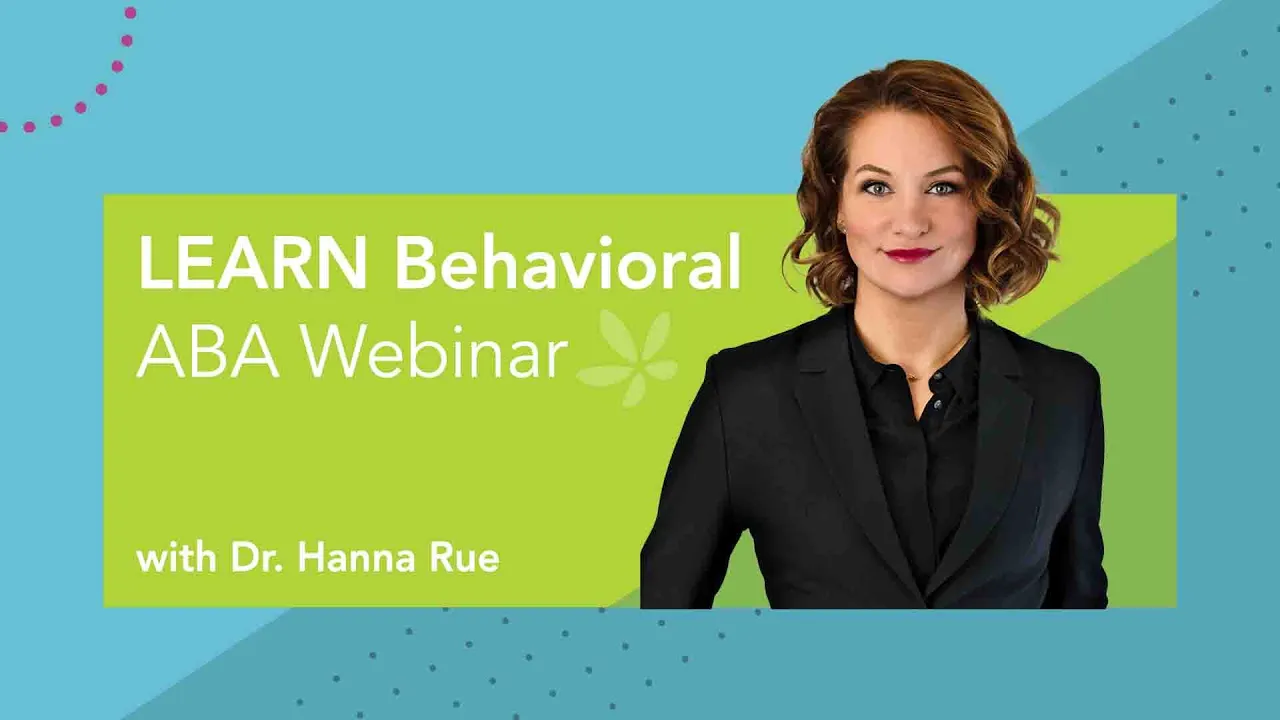
Hanna Rue, Ph.D., BCBA-D, is chief clinical officer for LEARN Behavioral. Her research interests are broad and include the identification of evidence-based practices for the treatment of autism. Her influence in the field of autism is evident in her wide-ranging work that spans clinical care, research, and advocacy. She has made significant contributions to STEM fields, sharing her insights through various platforms, including top-performing podcast episodes about autism, and extending her influence and reach in the autism community.

7. Sabrina Daneshvar: Revolutionizing the Field with Innovation and Compassion

Sabrina Daneshvar, Ph.D., BCBA-D, serves as the senior vice president of clinical services at LEARN Behavioral. Her research interests include video modeling and teaching social skills. This work has contributed to developing innovative strategies for improving social skills in children with autism. Sabrina has also taught, mentored, and trained many graduate students pursuing their degrees.

These are just a few women who have helped to shape the field of autism and ABA therapy. Their work underscores the importance of early intervention, peer support, and recognizing the diverse signs and symptoms of autism in girls and women.

We celebrate these women and everyone who has made contributions to advance our understanding of autism. They provide hope and inspiration to countless families across the world affected by it.

Autism and Co-occurring Disorders with Susan W. White & Carla Mazefsky

Dr. Carla Mazefsky is an Associate Professor of Psychiatry at the University of Pittsburgh School of Medicine, where she is Co-Director of the Center for Autism Research (CeFAR) and the Director of the Regulation of Emotion in ASD Adults, Children, & Teens (REAACT) Research Program. She is a past recipient of the INSAR Ritvo-Slifka Award for Innovation in Autism Research. Her current studies take a lifespan approach, with an emphasis on adolescence and the transition to adulthood.  Her research focuses primarily on emotion regulation and associated mental health and behavioral concerns in autism spectrum disorder (ASD), including the mechanisms underlying emotion dysregulation in ASD and the development of new assessment and treatment approaches. She is co-editor of the Oxford Handbook of Autism and Co-Occurring Psychiatric Conditions, author of the Emotion Dysregulation Inventory, and co-author of the Emotion Awareness and Skills Enhancement (EASE) Program.   

Susan W. White is Professor and Doddridge Saxon Chair in Clinical Psychology at the University of Alabama. Her clinical and research interests include development and evaluation of psychosocial treatments that target transdiagnostic processes underlying psychopathology. She is associate editor for the Journal of Clinical Child and Adolescent Psychology and the Journal of Autism and Developmental Disorders, and she the Editor in Chief of the ABCT Series on Implementation of Clinical Approaches. Her research has been funded by the National Institutes of Health and the Department of Defense. She received her PhD from Florida State University.

All Autism Talk (allautismtalk.com) is sponsored by LEARN Behavioral (learnbehavioral.com).

Tips and Resources for Families during COVID-19 with Katherine Johnson, BCBA

The sudden disruption in routine due to COVID-19 is challenging for all individuals to manage as we adjust to a new, and hopefully short-lived, normal of staying at home and ceasing most of our regular activities. For families of individuals with autism and other disabilities, the disruption can be especially challenging.

Richie has a conversation with Katherine Johnson, BCBA and founder of Advances Learning Center to share helpful tips and resources for you and family during this time.

Katherine has a Master of Arts degree in Behavior Disorders and Applied Behavior Analysis from Columbia University Teachers College and is a Board Certified Behavior Analyst (Charter Certificant). Katherine has taught in both private and public schools at pre-school and elementary levels and has provided educational consultation services to public schools and home programs. She has taught undergraduate behavior analysis courses at Northeastern University and graduate level courses at Simmons College, has provided parent training through the May Institute, and is on the Advisory Board for the undergraduate psychology program in Applied Behavior Analysis at Regis College. Katherine also currently serves as Vice President of MassCAP.

Resources Discussed:

Go Noodle: https://www.gonoodle.com/ 

Privilege Points: http://www.privilegepoints.com/

For more helpful tips and resources, sign up for our Parent Newsletter at LearnBehavioral.com/parentresources.

All Autism Talk (allautismtalk.com) is sponsored by LEARN Behavioral (learnbehavioral.com).