New Autism Learning Center Opens Doors in Norco, CA

Flexible Hours and No Wait List for Inland Empire Area Families

Autism Spectrum Therapies (AST), a provider of LEARN Behavioral, is proud to announce the opening of its new Norco Learning Center at 1731 Third St, Norco, CA 92860.

AST provides contemporary applied behavior analysis (ABA) center-based autism services for children ages 1-12 years. The Norco Learning Center provides center-based and in-home ABA therapy, parent education, and Social Skills Programs.

“We’re excited to have the opportunity to partner with new families in Riverside County and look forward to helping find success for every child in our care,” said Bri Waterbury, M.A., BCBA, Regional Clinical Director.

Key Features of the Norco Learning Center:

  • Large facility, which includes an indoor play structurefor physical and social development, as well as small group rooms.
  • ABA therapy, which includes a learning-rich environment, unique play-based learning spaces, and one-on-one support.
  • A unique combination of center-based and in-home services to best cater to families’ needs.
  • Social Skills Programs, including seasonal programming.
  • Flexible treatment hours, including after-school and weekend hours, to accommodate busy family schedules.
  • Serving children 1-12 years old.
  • Conveniently located adjacent to Riverside Community College and easily accessible via I-15 for families in the region.

The new location in Norco is enrolling new clients with no wait list.

About AST

AST, part of the LEARN Behavioral network, is one of the nation’s leading providers of compassionate autism care. In addition to the Norco Learning Center, AST has ABA therapy locations in Azusa, Chula Vista, Long Beach, Menifee, Orange, Riverside, San Gabriel, San Marcos, Santa Ana, Temecula, and Victorville, as well as a corporate office in Ontario. AST is also opening a Learning Center in Ontario later this spring.

For more information or to enroll a child at the Norco Learning Center, call (866) 727-8274or visit https://autismtherapies.com/locations/inland-empire

About LEARN Behavioral

LEARN Behavioral is a national leader in autism treatment, offering comprehensive diagnostic services and contemporary applied behavior analysis (ABA) therapy for children with autism spectrum disorder (ASD). With a nationwide network of ABA providers and more than 100 Learning Centers across the country, LEARN delivers the highest standard of evidence-based care—customized to meet the unique needs and interests of each child and family. For more information, visit learnbehavioral.com.

Autism Learning Center Opens Doors in Sturbridge, MA with Ribbon Cutting Celebration

BCI welcomes families to their new location.

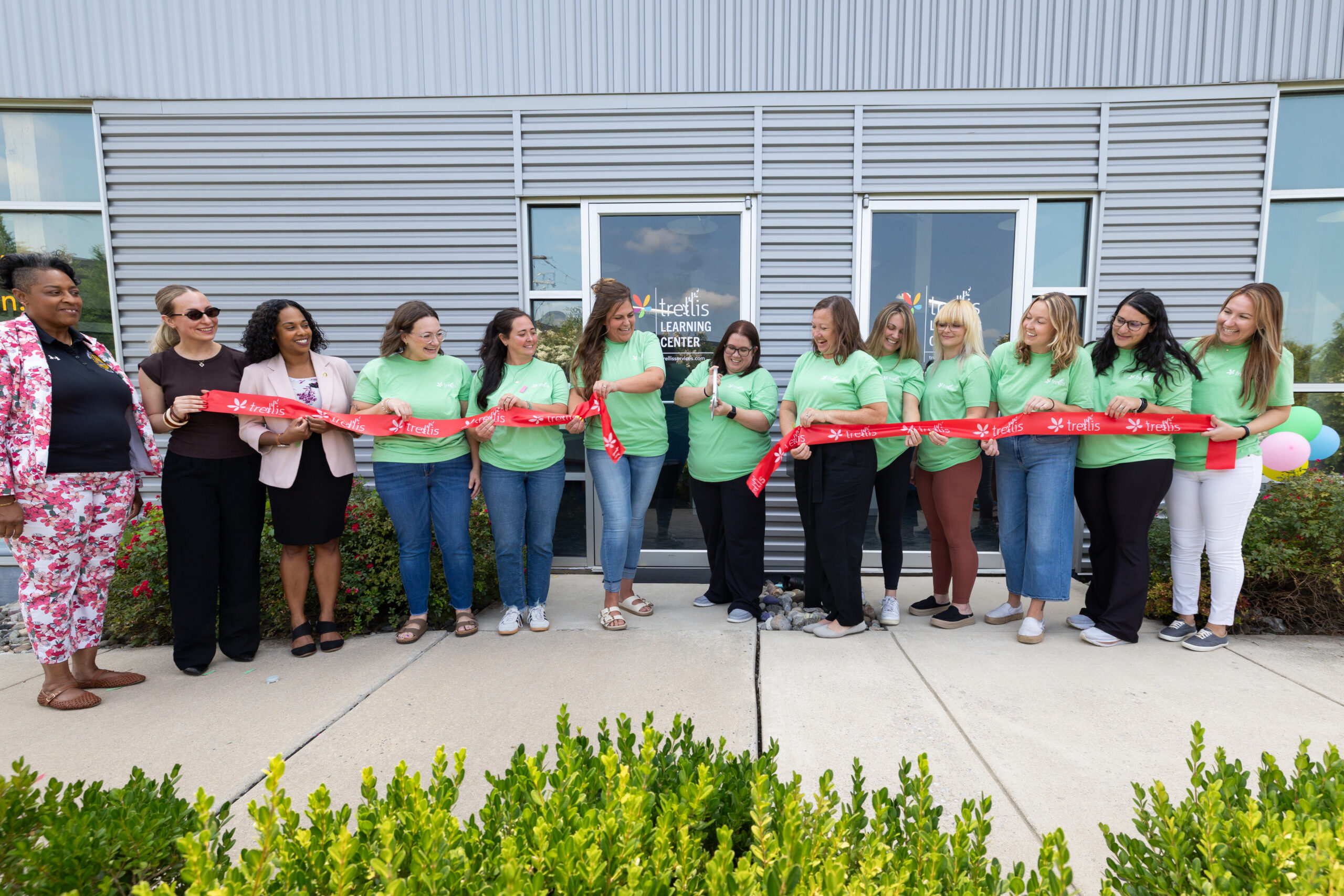
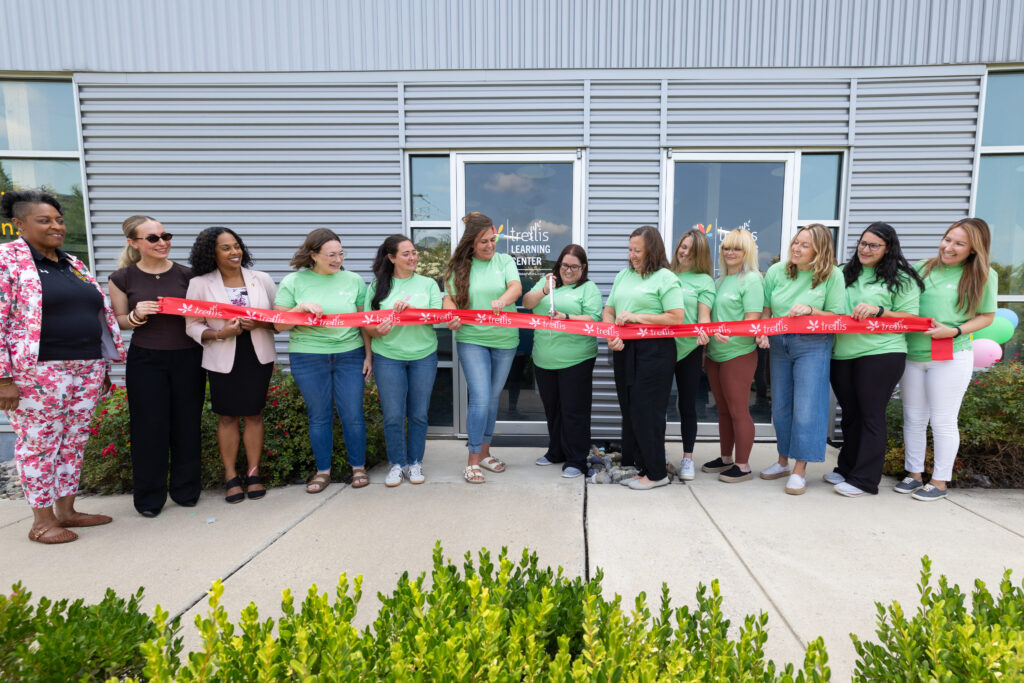
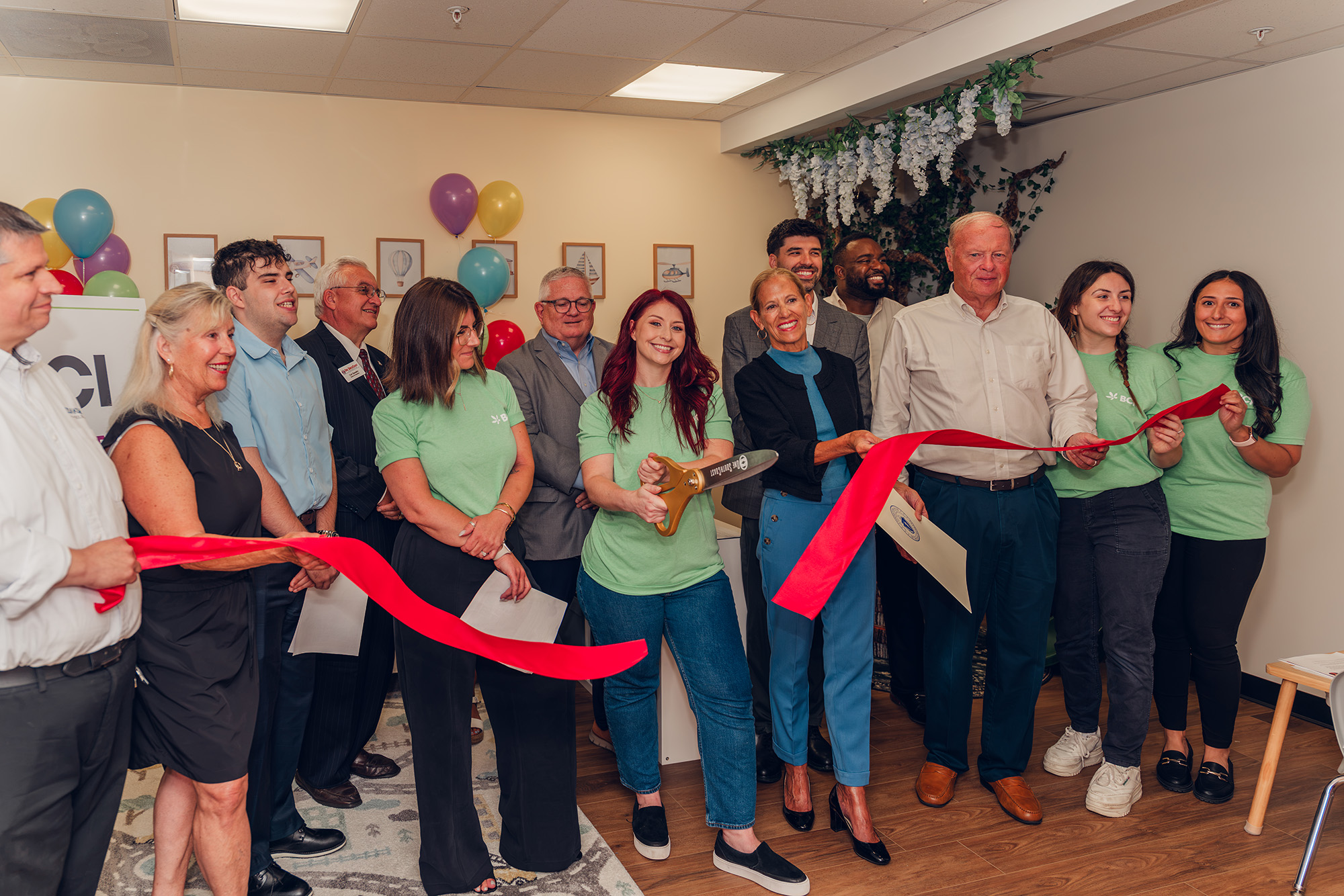
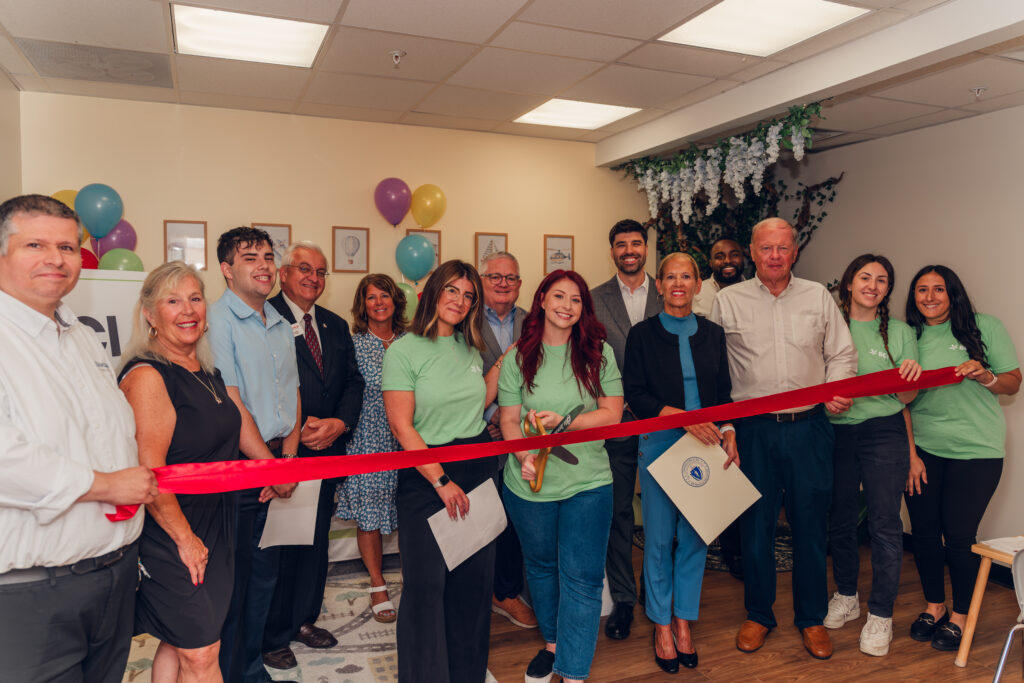
Behavioral Concepts (BCI), a provider of LEARN Behavioral, officially opened its doors with a ribbon-cutting ceremony at its new Sturbridge Learning Center, 179 Main Street, Suite 2, Sturbridge, MA 01566.

A ribbon-cutting ceremony hosted by the Worcester Regional Chamber of Commerce was held on March 26, 2026.

During the ceremony, State Representative Todd Smola and Amanda Hellyar, District Director for Senator Ryan Fattman, shared greetings and remarks. Erika Burrows, President of the Worcester Regional Chamber of Commerce, and Town Administrator Robin Grimm also shared remarks.

Members of the Worcester Regional Chamber of Commerce and other guests were in attendance.

Ribbon-cutting attendees were able to tour the facility, enjoy light refreshments, and meet BCI’s leadership team, Annaleisa Delgado, BCBA, LABA, Regional Clinical Director, and Tiffany Zayas, M.S., BCBA, LABA, Senior Regional Clinical Director.

“We’re proud to bring compassionate, high-quality ABA therapy to families in the greater Sturbridge area,” said Annaleisa Delgado. “At BCI, we tailor our services to each child and family—offering age-appropriate, engaging learning experiences rooted in science and guided by care.”

BCI is Sturbridge’s premiere contemporary applied behavior analysis (ABA) provider of center-based autism services for children ages 1-12 years. The Sturbridge Learning Center provides center-based ABA therapy, parent education, diagnostics, Early Intervention, and Social Skills Programs. Outside of the center, the Sturbridge team offers in-home ABA therapy.

Delgado continued, “Our new space was designed to support both individual growth and peer collaboration. It’s a place where children can gain essential skills—and where their journey toward success in school and life begins. We’re honored to be part of this community and grateful to offer life-changing services right here in Sturbridge.”

Left to right: State Representative Todd Smola; Robin Grim, Town Administrator; Annaleisa Delgado, Regional Clinical Director of the Sturbridge Learning Center (cutting the ribbon); Britney Catron; Amanda Robitaille; Irene Barajas; Tiffany Zayas; Makenzie Holm-Brien; Amanda Hellyar, District Director for Senator Fattman; and Erika Burrows, President of the Worcester Regional Chamber of Commerce

No Waitlist, Flexible Hours, and Convenient Location

The Sturbridge Learning Center offers after-school treatment hours to accommodate busy family schedules. There is no waitlist. The center is conveniently located near Old Sturbridge Village, I-84, and US-20, and easily accessible for families in the region.

For more information or to enroll a child at the Sturbridge Learning Center, call 508-363-0200 or visit https://bciaba.com/locations/sturbridge

About BCI

BCI, part of the LEARN Behavioral network, is one of the nation’s leading providers of compassionate autism care. For more than 20 years, BCI has been delivering evidence-based services, helping children with autism find success and reach their unique potential.

In addition to the Sturbridge Learning Center, BCI has existing Learning Centers in Beverly, Brockton, Fitchburg, Framingham, Lawrence, Littleton, Lowell, New Bedford, Newton, Springfield, Taunton, Wilmington, two locations in Worcester, MA, and one location in Nashua, NH.

About LEARN Behavioral

LEARN Behavioral is a national leader in autism treatment, offering comprehensive diagnostic services and contemporary applied behavior analysis (ABA) therapy for children with autism spectrum disorder (ASD). With a nationwide network of ABA providers and more than 100 Learning Centers across the country, LEARN delivers the highest standard of evidence-based care—customized to meet the unique needs and interests of each child and family. For more information, visit learnbehavioral.com.

New Autism Learning Center Now Open in Beloit, WI

WEAP Provides Flexible Treatment Hours for Area Families, No Waitlist

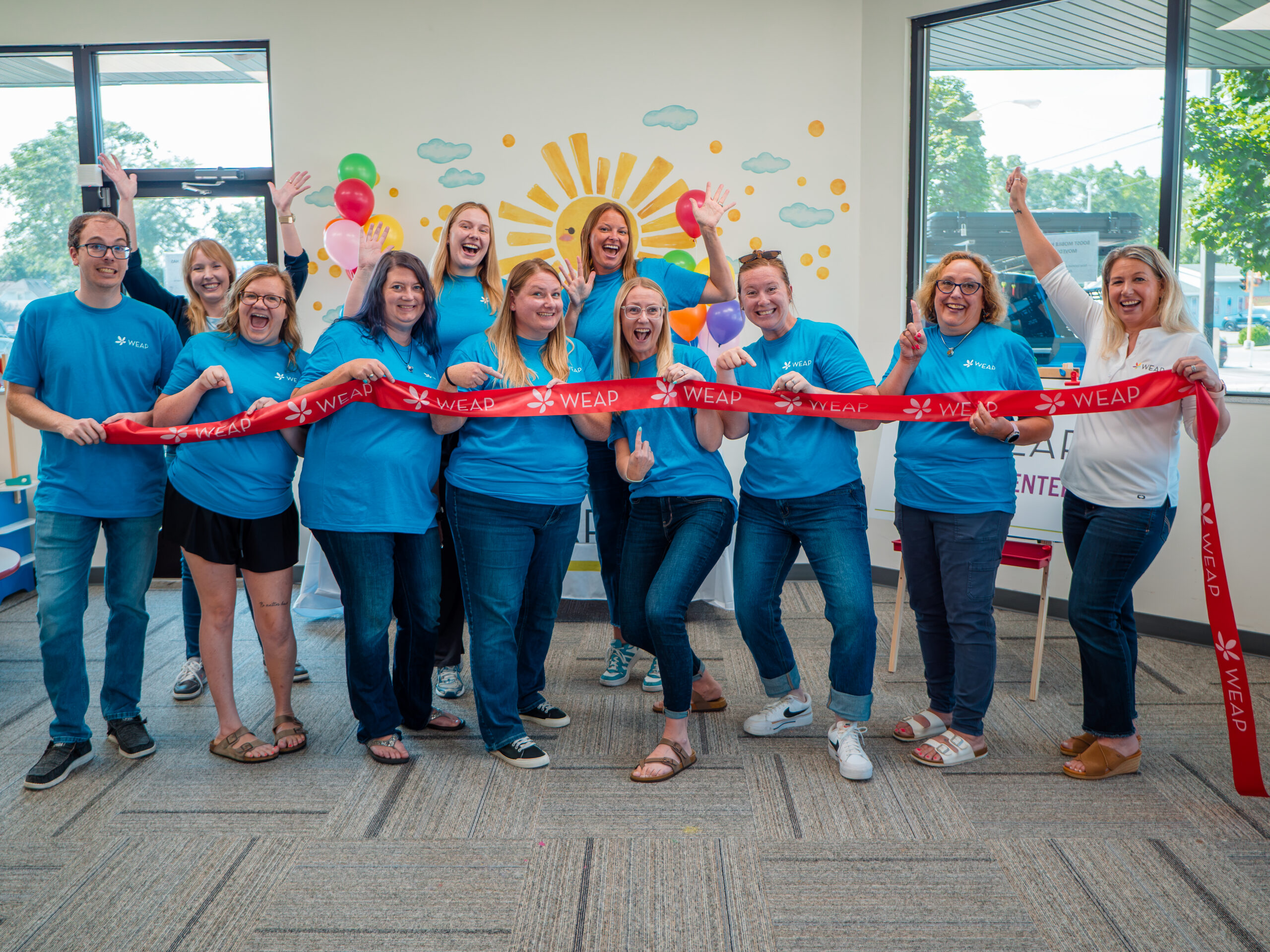
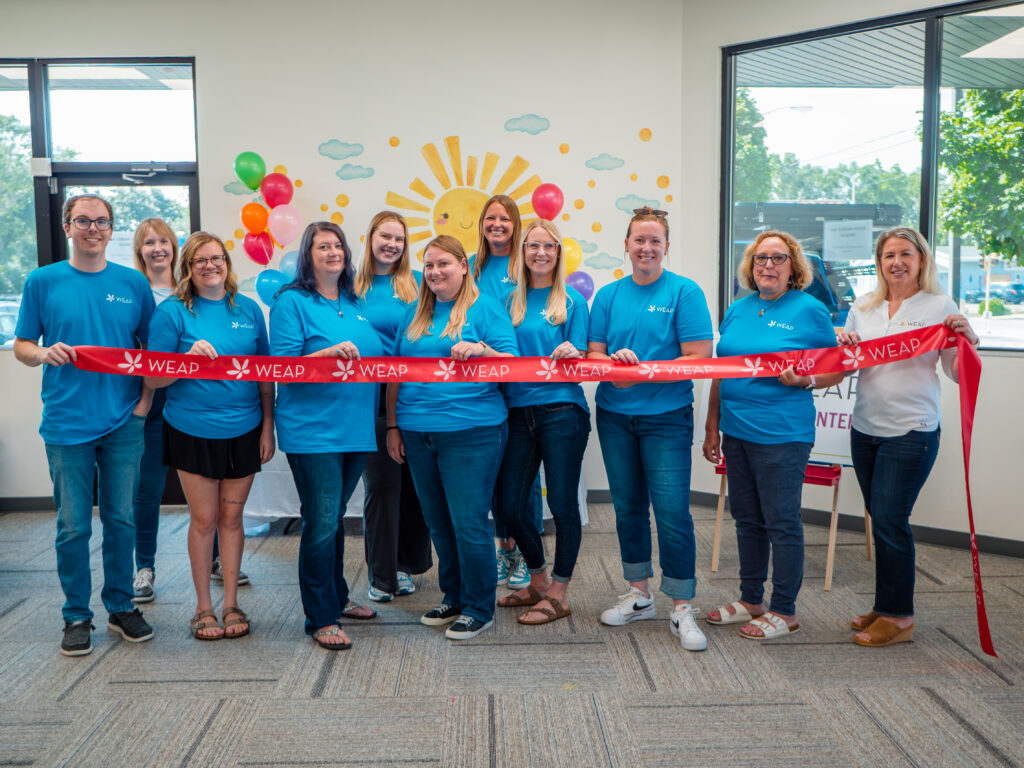
Wisconsin Early Autism Project (WEAP), provider of LEARN Behavioral, is proud to announce the grand opening of its new Beloit Learning Center at 905 Henry Ave., Beloit, WI 53511.

WEAP, celebrating its 30th year, has become a world-renowned leader in early diagnosis and treatment for children with autism. Their evidence-based approach to care has helped thousands of children with autism throughout Wisconsin.

WEAP is Wisconsin’s premiere contemporary applied behavior analysis (ABA) provider of center-based autism services for children ages 18 months to 6 years old. The new Beloit Learning Center provides center-based ABA therapy, social skills programs, parent education (in-home), Early Intervention, and weekend services. The social skills programs offered include Better Together Youth Club and Saturday Squad.

“We launched the new Beloit Learning Center to meet significant demand for ABA autism services in Rock County,” said Christine Laurent, BCBA, LBA, Regional Clinical Director. “We are excited to have the opportunity to partner with new families throughout greater Beloit to help find success for every child in our care.”

With no waitlist and flexible treatment hours to accommodate busy family schedules, the center is now enrolling new clients in Rock County and beyond.

Key Features of the Beloit Learning Center:

  • Experienced leadership brings resources and support to children and families with autism in the community.
  • ABA therapy, which includes a learning-rich environment, unique play-based learning spaces, and one-on-one support.
  • Center-based services in the city of Beloit.
  • School readiness focus, indoorgross motor area, a large indoor play area, a sensory room, and a cafeteria
  • No waitlist and flexible treatment hours to accommodate busy family schedules.
  • Serving children ages 18 months to 6 years old with personalized therapy plans.
  • Conveniently located and easily accessible via US Route 51 and public transportation for families in the region.

For more information or to enroll a child at the Beloit Learning Center, call (608) 662-9327 or visit https://wiautism.com/locations/beloit

In addition to Beloit, WEAP has center-based ABA therapy Learning Centers in Altoona, Brookfield, De Pere, Glendale, Green Bay, Janesville, Madison, Madison South, Menomonie, Milwaukee (Menomonee Falls),Mount Pleasant, Oak Creek, Oshkosh, Reedsburg, Sheboygan, Stevens Point, Sun Prairie, and West Bend. WEAP continues to expand and will open the doors of additional Learning Centers in Greenfield and Kenosha in 2026.

About LEARN Behavioral

LEARN Behavioral is a national leader in autism treatment, offering comprehensive diagnostic services and contemporary applied behavior analysis (ABA) therapy for children with autism spectrum disorder (ASD). With a nationwide network of ABA providers and more than 100 Learning Centers across the country, LEARN delivers the highest standard of evidence-based care—customized to meet the unique needs and interests of each child and family. For more information, visit learnbehavioral.com.

Ribbon Cutting Ceremony held at New Autism Learning Center in South Bend, IN

Behavior Analysis Center for Autism (BACA), provider of LEARN Behavioral, has announced the grand opening of its new South Bend Learning Center at 515 North Lafayette Blvd., South Bend, IN 46601. 

A ribbon-cutting ceremony hosted by the South Bend Regional Chamber was held on Thursday, March 5, 2026.

During the ceremony, Jeff Rea, President and CEO of the South Bend Regional Chamber, shared greetings. At-large Councilwoman Rachel Tomas Morgan and Councilman Pastor Canneth Lee shared remarks.

Members of the South Bend Regional Chamber of Commerce and other guests were in attendance.

Ribbon-cutting attendees were able to tour the facility, enjoy breakfast foods, and meet BACA’s leadership team – Christina Wyse, MS, BCBA, Center Director, and Stacy Apraez, MA, BCBA, Senior Regional Clinical Director.

“We couldn’t be more excited to open our doors to the community to provide important services, including 1:1 therapy in a group setting where children can work on skills, such as communication, activities of daily living, and socialization, while forming friendships,” said Christina Wyse. “We value being a part of the South Bend community and look forward to collaborating with fellow organizations and professionals to help find success for every child in our care.”

BACA is South Bend’s premiere contemporary applied behavior analysis (ABA) provider of center-based autism services. Serving children ages 2-10 with personalized therapy plans and clinical support provided by Dr. Carl Sundberg, a nationally recognized expert in ABA. The South Bend Learning Center provides center-based ABA therapy, in-home ABA therapy, school-based ABA therapy, diagnostics, Early Intervention, Social Skills groups, and parent education. 

The center is now enrolling clients with no waitlist and full-time and part-time treatment hours.

Front Row: Angela Murray, Erin Finch-Smeltzer, Jeff Rae, Christina Wyse, Kristen Robson, Stacy Apraez, Rachel Thomas Morgan, Pastor Canneth Lee, Dale Cole.  Back row: Carrie Paradiso, Ashlee Eckerle, Lyndsey Finch-Smeltzer, Jonathan Carton. 

About BACA 

BACA is part of the LEARN Behavioral network, the nation’s leading provider of compassionate autism care. BACA provides evidence-based autism services and is dedicated to delivering personalized ABA therapy, helping children and families find success.

In addition to South Bend, BACA has a Learning Center in Elkhart, IN, serving children ages 2-16.

For more information or to enroll a child at the South Bend Learning Center, call (317) 288-5232 or visit https://thebaca.com/locations/south-bend/

About LEARN Behavioral

LEARN Behavioral is a national leader in autism treatment, offering comprehensive diagnostic services and contemporary applied behavior analysis (ABA) therapy for children with autism spectrum disorder (ASD). With a nationwide network of ABA providers and more than 100 Learning Centers across the country, LEARN delivers the highest standard of evidence-based care—customized to meet the unique needs and interests of each child and family. For more information, visit learnbehavioral.com.

New Autism Learning Center Opens Doors in Quincy, MA

No Waitlist for Families in Norfolk County Area

Behavioral Concepts (BCI), a provider of LEARN Behavioral, is proud to announce the opening of its new location at 8 Hancock Court, Quincy, MA 02169.

BCI is a leading contemporary applied behavior analysis (ABA) provider of center-based services for children with autism and Down syndrome. The Quincy Learning Center provides Early Intervention, diagnostic evaluations for autism, center-based and in-home ABA therapy to children with autism ages 2-6, and after-school programming for older children. It also offers center-based and in-home ABA therapy for individuals with Down syndrome, up to age 21.

“We are excited to have the opportunity to partner with South Shore families,” said Katie Corey, M.S., LABA, BCBA, Senior Regional Clinical Director. “We value being a part of the Quincy community and look forward to helping find success for every child in our care.” 

Key Features of the Quincy Learning Center:

  • Large facility that includes an indoor gross motor space for physical and social development, as well as an art room and a teaching kitchen for children.
  • ABA therapy, which includes a learning-rich environment, unique play-based learning spaces, and one-on-one support.
  • No waitlist and flexible treatment hours to accommodate busy family schedules.
  • Serving children 2-15 years old with personalized therapy plans.
  • Conveniently located near I-93 and easily accessible to public transportation.

The center is now enrolling new clients throughout the South Shore with no waitlist and flexible treatment hours.

About BCI

BCI, part of the LEARN Behavioral network, is one of the nation’s leading providers of compassionate autism care. For more than 20 years, BCI has been delivering evidence-based services, helping children with autism and Down syndrome find success and reach their unique potential.

In addition to the Quincy Learning Center, BCI has existing center-based ABA therapy Learning Centers in Beverly, Brockton, Fall River, Fitchburg, Framingham, Lawrence, Littleton, Lowell, Newton, New Bedford, Springfield, Taunton, Wilmington, two locations in Worcester, MA, and a location in Nashua, NH.

For more information or to enroll a child at the Quincy Learning Center, call (508) 363-0200 or visit https://bciaba.com/locations/quincy

About LEARN Behavioral

LEARN Behavioral is a national leader in autism treatment, offering comprehensive diagnostic services and contemporary applied behavior analysis (ABA) therapy for children with autism spectrum disorder (ASD). With a nationwide network of ABA providers and more than 100 Learning Centers across the country, LEARN delivers the highest standard of evidence-based care—customized to meet the unique needs and interests of each child and family. For more information, visit learnbehavioral.com.

New Autism Learning Center Opens Doors in Fall River, MA

No Waitlist for Families in Bristol County Area

Behavioral Concepts (BCI), a provider of LEARN Behavioral, is proud to announce the opening of its new location at 1151 Robeson St., Suite 101, Fall River, Massachusetts 02720.

BCI is a leading contemporary applied behavior analysis (ABA) provider of center-based services for children with autism and Down syndrome. The Fall River Learning Center provides Early Intervention, center-based and in-home ABA therapy, diagnostic services, and parent education to children with autism ages 2-6. It also offers center-based and in-home ABA services for individuals with Down syndrome, up to age 21.

“We are excited to have the opportunity to partner with families in the South Coast region,” said Aerin Parish-Toscano, MS, BCBA, LABA, Regional Clinical Director. “We value being a part of the Fall River community and look forward to helping find success for every child in our care.” 

Key Features of the Fall River Learning Center:

  • Large facility which includes an indoor gross motor space for physical and social development, as well as a dedicated family meeting/treatment guidance room for parent participation.
  • ABA therapy, which includes a learning-rich environment, unique play-based learning spaces, and one-on-one support.
  • Access to nearby public playground.
  • No waitlist and in-home afternoon and weekend services to accommodate busy family schedules.
  • Serving children 2- 6 years old with autism with personalized therapy plans.
  • Conveniently located near I-195 and Route 24.

The center is now enrolling new clients based in Berkley, Dartmouth, Dighton, Fall River, Freetown, Somerset, Swansea, and Westport with no waitlist and flexible treatment hours.

A ribbon-cutting ceremony will be held in the spring.

About BCI

BCI, part of the LEARN Behavioral network, is one of the nation’s leading providers of compassionate autism care. For more than 20 years, BCI has been delivering evidence-based services, helping children with autism and Down syndrome find success and reach their unique potential.

In addition to the Fall River Learning Center, BCI has existing center-based ABA therapy Learning Centers in Beverly, Brockton, Fitchburg, Framingham, Lawrence, Littleton, Lowell, Newton, New Bedford, Springfield, Taunton, Wilmington, two locations in Worcester, MA, and a location in Nashua, NH.

For more information or to enroll a child at the Fall River Learning Center, call (508) 363-0200 or visit https://bciaba.com/locations/fall-river.

About LEARN Behavioral

LEARN Behavioral is a national leader in autism treatment, offering comprehensive diagnostic services and contemporary applied behavior analysis (ABA) therapy for children with autism spectrum disorder (ASD). With a nationwide network of ABA providers and more than 100 Learning Centers across the country, LEARN delivers the highest standard of evidence-based care—customized to meet the unique needs and interests of each child and family. For more information, visit learnbehavioral.com.

Launchpad Learning Program: Bridging the Gap Between ABA and School

Introducing Launchpad: Guiding Young Learners Towards Group Success!

Our Launchpad program is an exciting opportunity for children with autism ages 2-6 who have made remarkable progress and skill development in a 1:1 environment and are ready to take the next leap toward thriving in a group setting.

Our program offers a balanced blend of supportive group interaction and one-to-one instruction. We understand the importance of a smooth and successful transition from early intervention and comprehensive 1:1 ABA services to group settings and have designed our program to bridge that gap.

Reach out to your local ABA provider to learn more about the Launchpad program.

Neuroplasticity in Children: When is Neural Plasticity the Strongest?

The following is based on a conversation Ronit Molko, Ph.D., BCBA-D and Dr. Evian Gordon, Chairman and CEO of Brain Resource.

The development of the brain is a fascinating and essential aspect of child development. The science behind the brain provides parents and practitioners valuable insight as to why early intervention is important for individuals with autism and other developmental disabilities.

At birth, a child’s brain is a work in progress. It develops as they experience the world through seeing, hearing, tasting, touching, and smelling the environment. The natural, simple, loving encounters with adults that occur throughout the day, such as a caregiver singing, smiling, talking, and rocking their baby, are essential to this process. All of these encounters with the outside world affect the child’s emotional development and shape how their brain becomes wired and how it will work.

The experiences of babies have long-lasting effects on their ability to learn and regulate their emotions. When there is an absence of appropriate teaching and learning opportunities in the baby’s environment, the brain’s development can be affected and there are more likely to be sustained negative effects. Conversely, if we can provide ample learning opportunities, we can facilitate brain development. Let’s understand how and why.

Learning is about connection. A baby is born with more than 85 billion neurons in its brain, the major nerve cell of the brain. Neurons transmit information between each other through chemical and electrical signals via synapses thereby forming neural networks, a series of interconnected neurons. This is what is meant by “the wiring of the brain” and “neurons that fire together, wire together”. Neurons and synapses grow exponentially in the first years of life, even before a baby can walk and talk. Between birth and about 3 years of age, the number of synapses in the brain increases from about 2,500 to 15,000 per neuron.

As an infant experiences something or learns something for the first time, a strong neural connection is made. If this experience is repeated, the connection is reactivated and becomes strengthened. If the experience is not repeated, connections are removed. In this way, the brain “prunes” what is not necessary and consolidates the connections that are necessary. During infancy and the first years of childhood, there is significant loss of neural pathways as the brain starts to prune away what it doesn’t believe it will need to function. By the time your child reaches adulthood, the number of synaptic connections is reduced by half. Therefore, the earlier in a child’s development that we create that first, correct learning experience, the stronger those behaviors and skills are secured in the brain.

Children with developmental delays often experience the wiring of neurons together in a manner that is “unhelpful”, causing them to struggle with communication, social skills and other activities. These “unhelpful” connections need to be changed, which adds to the challenge and takes time. Technically, learning cannot be undone in the brain, but amazingly, with stimulation, the brain has the ability to re-process new pathways and build circuits that are helpful and functional. The brain has a remarkable capacity for change and adaptation, but timing is crucial. The earlier we create the correct connections in a child’s brain, the stronger those behaviors and skills are secured in the brain.

Intervention is best during early childhood when there are 50 percent more connections between neurons than exist in the adult brain. When a child reaches adolescence, another period of pruning begins where the brain starts to cut back on these important brain connections, and neurons that have not been used much. For children with all types of learning difficulties and developmental disorders, this understanding of the brain’s plasticity is particularly relevant, because it emphasizes why the correct type and intensity of early intervention is so critical. If we correctly understand a child’s skill deficits and design a program that appropriately stimulates the neurons in the targeted weakened areas of the brain, we can exercise and strengthen those areas of the brain to develop language, social skills etc.

While there is much evidence to support that early intervention is the preferred course of action because it capitalizes on this rapid early brain development, this wisdom often leaves parents or caretakers of teenage children with ASD feeling discouraged and concerned. Many children don’t have the opportunity to start therapy when they’re younger, and many others aren’t diagnosed until they’re teenagers. It may be easier and faster for children to learn new skills when they are younger, however, neuroscience tells us that the brain is still capable of learning during adolescent years, and this time period should not be forsaken.

So how do you train your child’s brain? In order to change the brain’s wiring and make new neural connections, a new skill needs to be practiced many times. Dr. Gordon recommends starting with one, simple task and practicing it at least 10 times per day. Measure how long it takes for your child’s behavior to change. This will help you determine your child’s rate of learning.

An example of a simple task is teaching your child to follow a simple instruction using a preferred item such as asking him to eat his favorite food. You can then move onto a more complex activity such as requesting eye contact by saying “Look at me” and then something more complex such as “touch the car” when playing with a toy car, for example. There are many opportunities throughout the day during normal daily parenting activities (bathing, feeding, diapering, reading, etc.) during which you can support your child’s development and train their brain to respond to people and their environment.

One common question is, “What is possible with the brain after childhood?” For many years, science has told us that brain plasticity is at its peak during childhood. However, experts now believe that under the correct circumstances, practicing a new skill can change hundreds of millions, if not billions, of connections between nerve cells in the brain even into adulthood. It is never too late to start. The most important thing to remember is that learning is what changes the brain and learning takes practice. Every opportunity to teach your child is an opportunity to shape their brain and change their future.

For more information, visit Developmental Milestones from the Child Mind Institute http://www.childmind.org/en/developmental-milestones/ 

Learn more about the work and resources of Dr. Evian Gordon at
https://www.mybrainsolutions.com/index.html 

Harvard’s “Serve & Return” concept of parent engagement
http://developingchild.harvard.edu/key_concepts/serve_and_return/

Autism: Symptoms and Signs

Dr. Genevieve Marshall, BCBA, breaks down myths about autism, the early signs of autism, and what you can do to keep yourself informed on best practices. To learn more about ABA therapy and services available to you, visit https://learnbehavioral.com/services/find-a-location

Recognizing Autism Symptoms: How to Spot Early Signs

By Sabrina Daneshvar, Ph.D., BCBA-D, senior vice president of clinical services at LEARN Behavioral

Recognizing Autism Symptoms: How to Spot Early Signs

Autism isn’t always easy to spot. It’s a complex neurological and developmental disorder. It often shows up in early childhood and affects how a person interacts with others, communicates, and learns.

Since symptoms of autism vary so widely from person to person, it can be challenging to diagnose.

Recognizing early signs can be vital to getting help. If you suspect your child may be on the autism spectrum, talk to your pediatrician. A medical professional can guide you on the next steps. This may include a complete diagnostic evaluation.

Understanding Autism

You may be familiar with people talking about autism existing on a “spectrum.” This means a person’s symptoms can vary in severity across many areas. For example, some people might have trouble with social interactions and communication. They might have difficulty understanding body language or maintaining a conversation. Others might have repetitive behaviors or be intensely focused on certain interests.

Simply put, autism doesn’t look the same for everyone. Everyone experiences it differently.

Early Signs of Autism

While every child is unique, there are common signs of autism to watch for. Here are some:

  • Social Challenges: Your child may avoid eye contact. They might have yet to respond to their name. They may show little interest in people or toys.
  • Communication Difficulties: Look for delayed speech. Or your child might repeat words without understanding them. They may not use gestures like pointing.
  • Repetitive Behaviors: A child with autism may flap their hands. They might line up toys instead of playing with them. They could insist on routines and get upset with changes.
  • Sensory Sensitivities: Your child may react unusually to sounds, lights, or textures. They could either be overly sensitive or not sensitive enough.

Watch for signs such as:

  • Not smiling at others by six months
  • Not using gestures to communicate by 12 months
  • Not babbling by 12 months
  • Not speaking single words by 16 months
  • Not speaking two-word phrases by 24 months
  • Not reacting to voices, sounds, or their name

Remember, these signs don’t confirm autism. But they suggest you should check with your health care provider.

What to Do If You Notice These Signs

If you think your child may be showing signs of autism, early intervention is critical. Children’s brains are most adaptable and responsive to learning during the first few years of life. Research shows that high-quality early intervention can significantly improve essential skill development. These include communication, social interactions, cognition, and self-care.

So, if you notice signs of autism, document your observations. Talk to your child’s doctor, and stay patient and positive.

Getting a diagnosis of autism is not an end. It’s a beginning. It opens the door to getting the services and support that can help your child thrive.

Accessing therapies early can lead to better long-term outcomes. It reduces the need for intensive support in the future. It can also help foster supportive environments for your child’s growth.

Early intervention can also teach you strategies for navigating the world of autism.

Interested in learning more about the early signs of autism? Visit our website for additional information and how we can help you get started on your child’s journey to success.