


5 Sensory-Friendly Spots to Visit in Quincy, Massachusetts

FEATURED POSTS


September 15, 2026


September 11, 2026
For many families, getting out of the house takes more than good intentions. Noise can build faster than expected. Lighting can feel harsher once you arrive. Crowds can shift the tone of an outing before it really begins, sometimes before your child has time to settle in.
Over time, families start to notice what helps. They look for places with room to move, a slower pace, and space to take breaks without drawing attention. These are often the places families return to, not because they promise anything special, but because their children seem calmer and more at ease there.
In Quincy, several everyday places fit that description. They offer space without pressure and a sense of structure without rigidity, making it easier to plan outings that feel manageable and, often, enjoyable.
Families often describe these places as “sensory friendly,” even if they are not labeled that way. Here are five places in Quincy that many families return to for that reason.

1. Wollaston Beach gives families room to breathe
Wollaston Beach runs along Quincy Shore Drive with wide sidewalks and long, open views of the water. The setting stays largely the same from visit to visit. That consistency can help children who feel unsettled by sudden changes. The sound of the waves is steady, and there’s room to walk without feeling crowded. Families can decide how long to stay. Some take a short walk and head home. Others sit on a bench and watch the water. There is no single activity competing for attention.
Tip for Families: Early mornings tend to be quieter and less busy. Short visits can help your child get comfortable with the space.
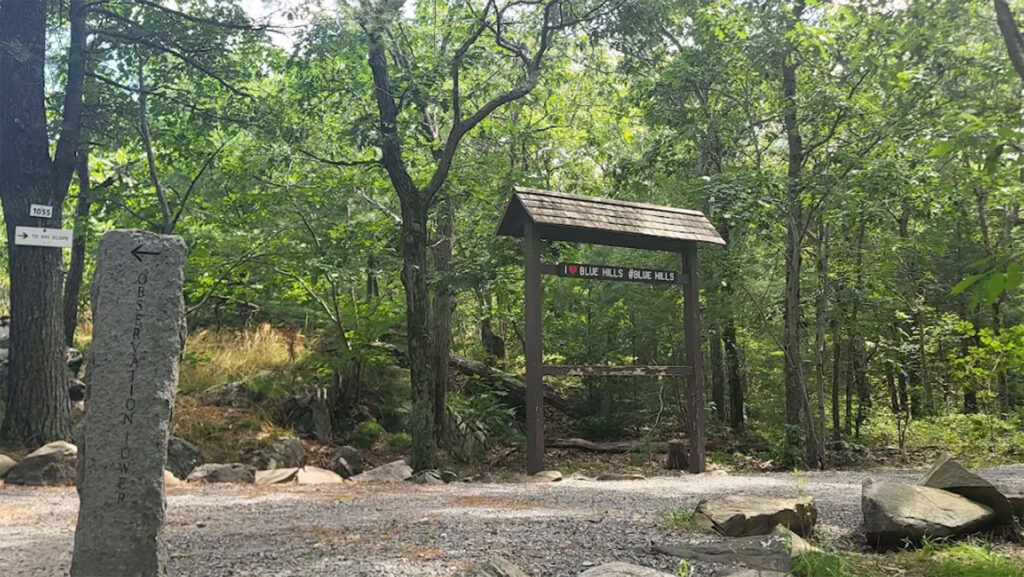
2. Blue Hills Reservation supports calm movement
Blue Hills Reservation offers wooded trails and open space just outside central Quincy. It does not advertise sensory-friendly programming, but many families use it because the environment naturally limits stimulation. Trails are clearly marked. Children have space to move without constant redirection, and families have the flexibility to adjust plans.
Tip for Families: Weekday mornings are often quieter. Walking the same trail each visit can help build familiarity.

3. Thomas Crane Public Library offers predictability and quiet
Libraries like Thomas Crane Public Library at North Quincy work for many families because the rules rarely change. They’re quiet and organized, low-stimulation environments. Children know what to expect when they walk in. Families can read, sit, or spend time together without pressure to participate in group activities. That predictability can help children stay regulated.
Tip for Families: Ask staff which areas tend to be the quietest. Mid-morning visits are often calmer than in the afternoons.
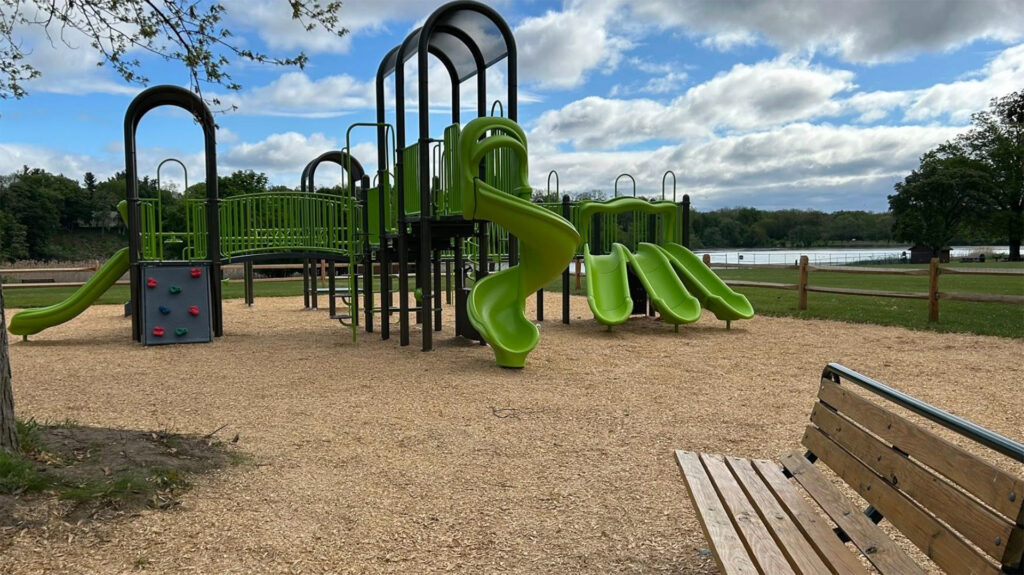
4. Merrymount Park works well for low-pressure outdoor time
Merrymount Park is a large, open community park with simple, natural features that many families find comfortable for a low-stress outing. The park has a playground that gives children a structured play area. It is not a complex sensory playground, but it lets kids explore typical play equipment in a calm setting. It has mostly flat, paved paths that help kids who prefer rhythmic movement or need predictable spaces for walking, scooters, or wheelchairs. And it has picnic areas and shady benches that allow families to take breaks when stimulation feels too intense.
Tip for Families: It also helps to walk the park first. A slow loop lets kids see what is coming next. Families can point out quiet spots, benches, or shaded areas where they can take a break if things feel like too much.

5. Adams National Historical Park lets families set the pace
Adams National Historic Park is a historic site, not a playground. Visits center on guided house tours with a set pace and clear start and finish. The indoor spaces are usually quiet, and the outdoor grounds give families a place to pause or reset between stops. It is not labeled “sensory friendly,” but some families find the structure calming and the flow predictable.
Tip for Families: Call ahead and ask about tour timing. Rangers can tell you which tours are smaller or quieter. That can help you plan around crowds. Starting on the grounds before going inside also gives kids time to settle and decide if the house tour feels manageable.
Looking for more support?
Support goes beyond outings. Public spaces matter, and so do the routines families build at home. For easy, sensory-friendly activities to try at home, visit 5 Simple and Fun Imaginary Play Ideas. Families in Quincy and surrounding communities who are looking for additional support can turn to Behavioral Concepts (BCI), part of LEARN Behavioral. BCI uses science and data to deliver applied behavior analysis (ABA) therapy that reflects each child’s needs, interests, and personality. Learn more about how BCI tailors autism therapy for children and families at https://bciaba.com/.