5 Sensory-Friendly Activities for Families Near Las Vegas, NV
November 20, 2026
We’re hiring BTs, BCBAs, Clinical Psychologists & More. View open positions


FEATURED POSTS


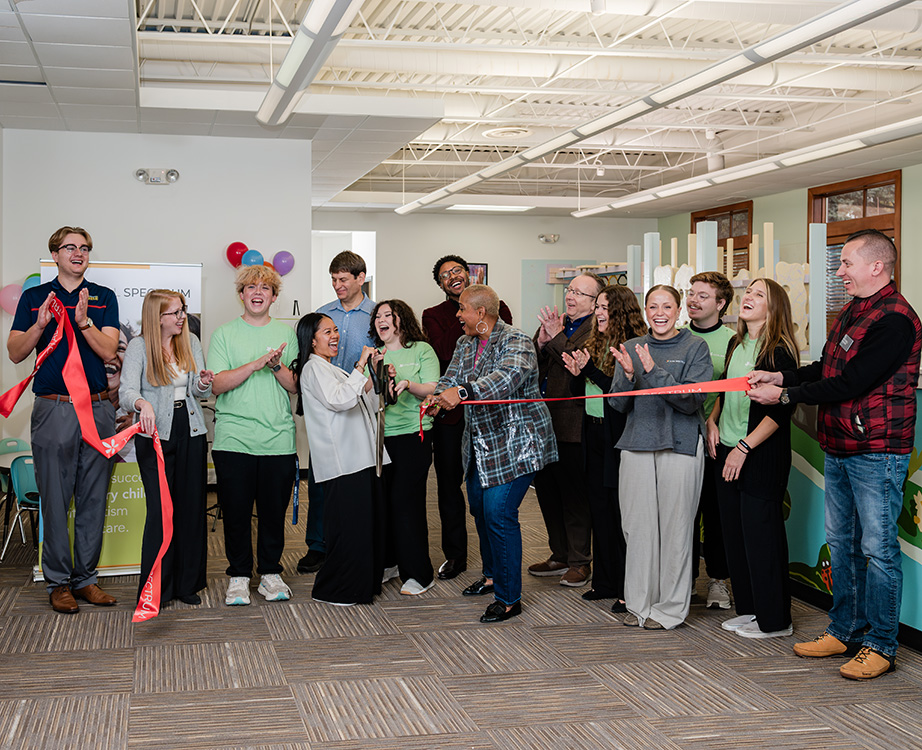
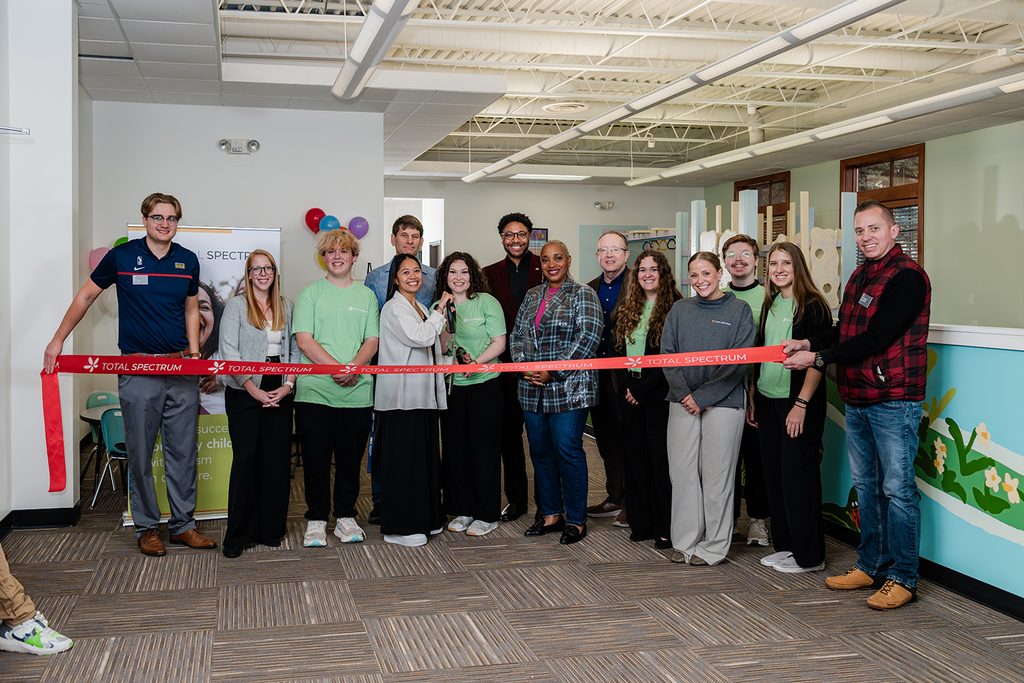
Total Spectrum, a provider of LEARN Behavioral, is proud to open its doors with a ribbon-cutting celebration at its new Grand Rapids Learning Center at 1550 Leonard St NE, Grand Rapids, Michigan 49505.
The ribbon-cutting celebration was hosted by the Grand Rapids Chamber of Commerce and held on November 5, 2026.
During the ribbon-cutting ceremony, Todd Anderson, Membership Engagement Manager of the Grand Rapids Chamber of Commerce, shared greetings. Mayor David LaGrand and City Commissioners Lisa Knight and Marshall Kilgore shared remarks. Members of the Grand Rapids Chamber of Commerce and other guests were in attendance.
Ribbon-cutting attendees were able to tour the facility, enjoy light refreshments, and meet Total Spectrum’s leadership team, Melissa Furman, MA, BCBA, LBA, Regional Clinical Director, and Trisha Johnson, MA, BCBA, Senior Regional Director.
“Total Spectrum is excited to bring compassionate, high-quality ABA therapy to families in the greater Grand Rapids area,” said Melissa Furman, Regional Clinical Director. “We tailor our services to each child and family, providing engaging, evidence-based care in an environment designed to help children build skills, confidence, and independence.”
Total Spectrum is Michigan’s premiere contemporary applied behavior analysis (ABA) provider of center-based autism services for children and young adults ages 2-21 years. The new Grand Rapids Learning Center provides Early Intervention, center-based ABA therapy, Launchpad Learning – a school readiness program, Social Skills Programming, and parent education. The Grand Rapids team also offers ABA therapy in the home and community settings.
There is no waitlist for clients before 4 pm, and after-school and weekend services are provided to accommodate busy family schedules. The Grand Rapids Learning Center is conveniently located and easily accessible to families in the region via I-196 and Route 131.
The center is now enrolling new clients in Kent County and beyond.
Families are invited to a sensory-friendly Open House and Winter Wonderland on December 3, 2026, from 4 pm to 6 pm. This event will feature an opportunity to meet the team, along with sensory-friendly winter-themed activities for guests to enjoy in a welcoming, inclusive environment.
Total Spectrum is part of the LEARN Behavioral network, one of the nation’s leading providers of contemporary ABA therapy. Total Spectrum has been delivering evidence-based services for more than 10 years, helping children and young adults with autism find success and reach their unique potential.
For more information or to enroll a child at the new Grand Rapids Learning Center, call (844) 263-1613 or visit https://totalspectrumcare.com/locations/grand-rapids
LEARN Behavioral is a national leader in autism care, offering comprehensive diagnostic services and contemporary applied behavior analysis (ABA) therapy for children with autism spectrum disorder (ASD). With a nationwide network of ABA providers and more than 150 Learning Centers across the country, LEARN delivers the highest standard of evidence-based care—customized to meet the unique needs and interests of each child and family. For more information, visit learnbehavioral.com.
If your child has been diagnosed with autism or other special needs, you want them to lead a life of resilience, happiness, and fulfillment. While these goals are common to all parents, the pathway required to achieve them is unique to each child. That’s why our passionate and dedicated team specializes in the use of tailored treatment programs based on contemporary, family-focused applied behavior analysis (ABA) therapy as well as clinical insights and best practices we have refined through our decades of service to the autism community.
Our services help your child:
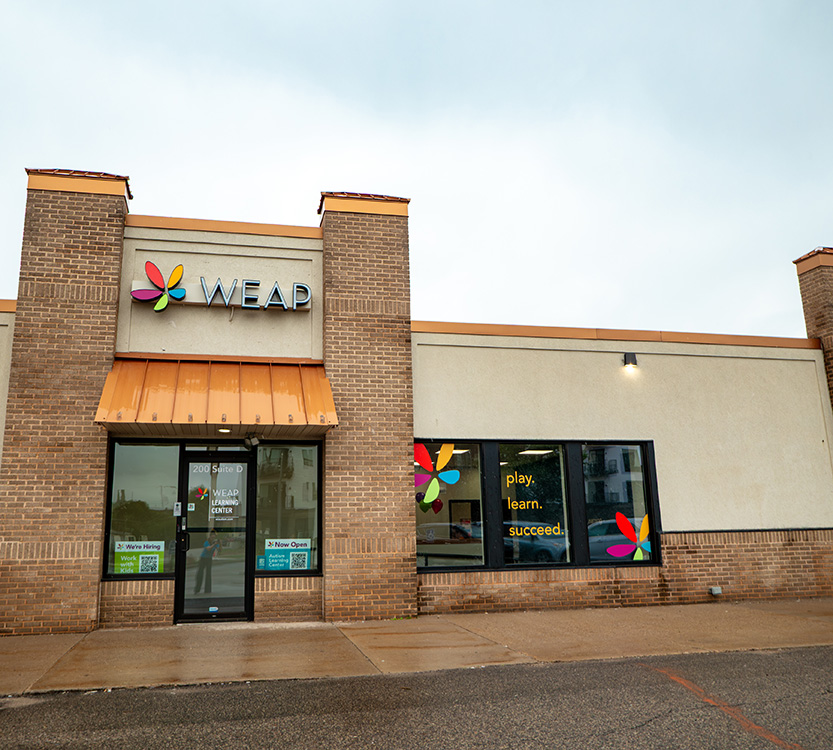
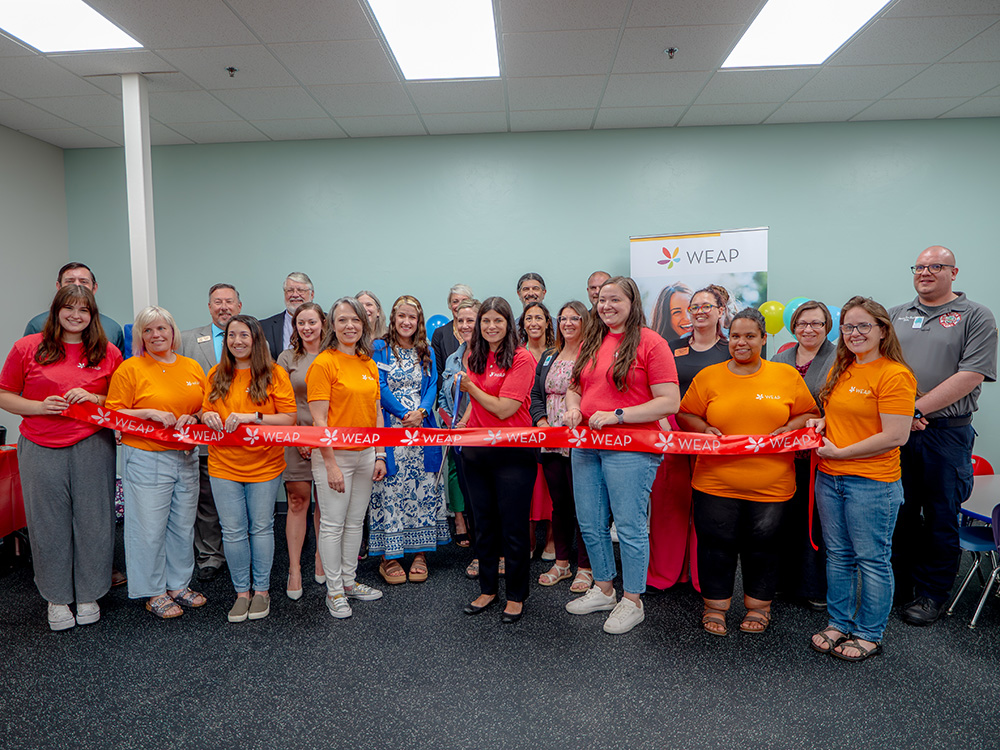
Wisconsin Early Autism Project (WEAP), provider of LEARN Behavioral, recently held a ribbon-cutting celebration at its new Stevens Point Learning Center at 200 Division Street, Suite D, Stevens Point, WI 54481.
Hosted by the Portage County Business Council, the ribbon-cutting celebration was held on June 11, 2026.
During the ribbon-cutting ceremony, Sarah Agena, Community Engagement Coordinator of the Portage County Business Council, along with Senator Patrick Testin, State Representative Vincent Miresse, and Mayor Mike Wiza, shared greetings and remarks. Members of the Portage County Business Council and other guests were in attendance.
Ribbon-cutting attendees toured the facility, enjoyed light refreshments, and met the WEAP Stevens Point leadership team, Cassie Sedlacek, LCSW, Regional Clinical Director, and Erin Junemann, Center Director.
WEAP is Wisconsin’s premiere contemporary applied behavior analysis (ABA) provider of center-based autism services for children ages 2 to 6 years old. The Stevens Point Learning Center provides center-based ABA, parent education, Early Intervention, Social Skills Programs, and weekend hours (Saturday Squad). Their center-based services also include a school readiness program.
The Stevens Point Learning Center offers flexible treatment hours to accommodate busy family schedules. There is no waitlist. The center is conveniently located within walking distance to the University of Wisconsin-Stevens Point and easily accessible for families in the region.
WEAP, celebrating over 30 years, has become a world-renowned leader in early diagnosis and treatment for children with autism. Their evidence-based approach to care has helped thousands of children with autism throughout Wisconsin.
WEAP is now enrolling new clients in Portage County and beyond. For more information or to enroll a child at the Stevens Point Learning Center, call (608) 662-9327 or visit https://wiautism.com/locations/stevens-point
LEARN Behavioral is a national leader in autism treatment, offering comprehensive diagnostic services and contemporary applied behavior analysis (ABA) therapy for children with autism spectrum disorder (ASD). With a nationwide network of ABA providers and more than 100 Learning Centers across the country, LEARN delivers the highest standard of evidence-based care—customized to meet the unique needs and interests of each child and family. For more information, visit learnbehavioral.com.
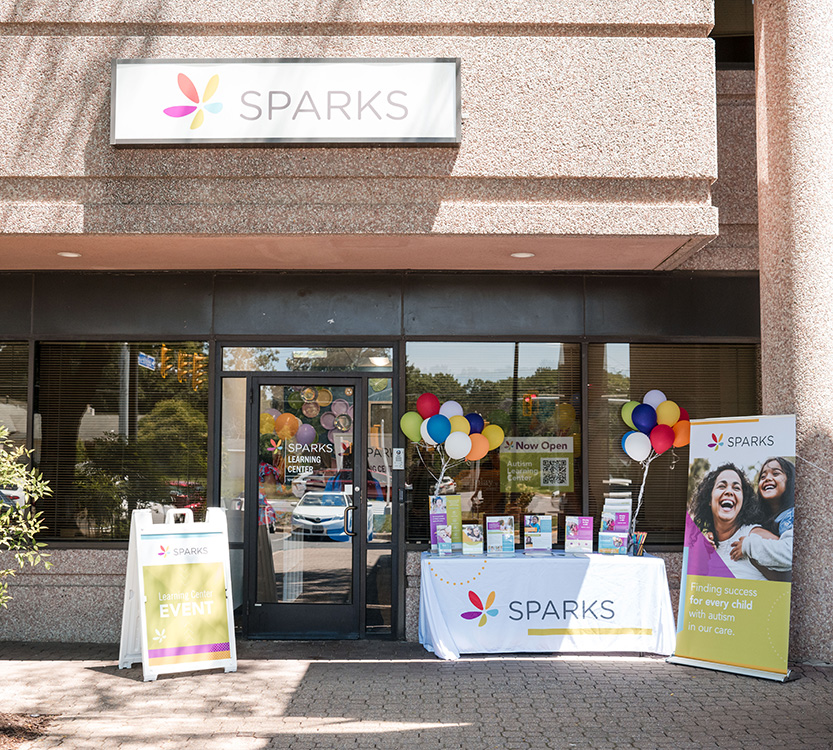
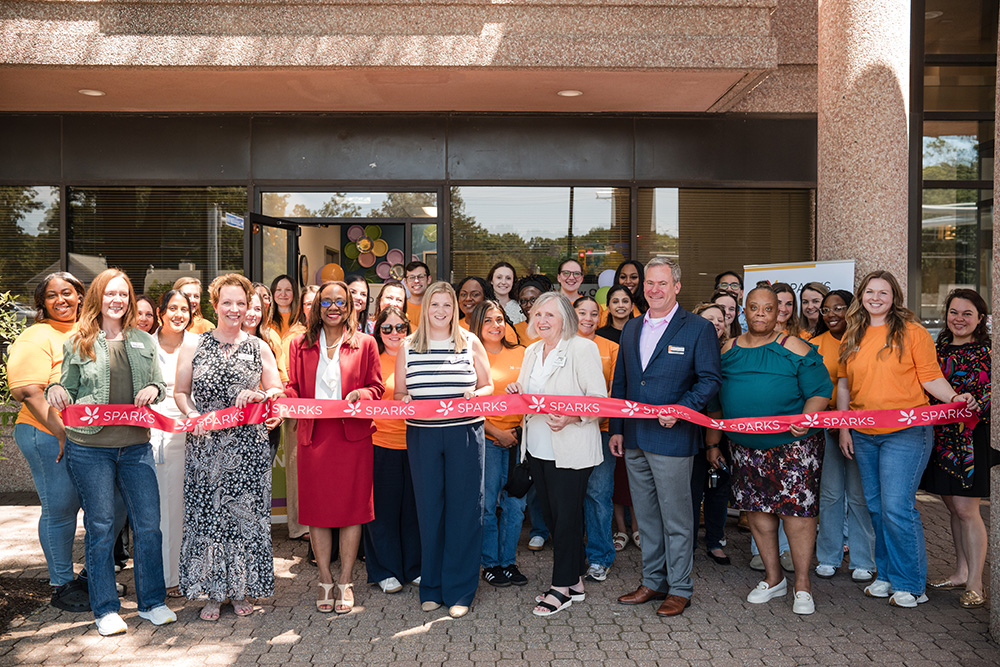
SPARKS ABA, a provider of LEARN Behavioral, celebrated the opening of its new Springfield Learning Center by hosting a ribbon-cutting ceremony at 5501 Backlick Road, Springfield, VA 22151.
SPARKS ABA is Virginia’s premiere contemporary applied behavior analysis (ABA) provider of center-based autism services for children and adolescents ages 18 months to 15 years. The Backlick Rd. Learning Center is SPARKS ABA’s second location in Springfield.
Hosted by the Mount Vernon Springfield Chamber of Commerce, the ribbon-cutting celebration was held on June 4, 2026.
During the ribbon-cutting ceremony, Holly Hicks Dougherty, President of Mount Vernon Springfield Chamber of Commerce, and Dr. Ricardy Anderson, Fairfax County School Board, shared greetings and remarks. Members of the Mount Vernon Springfield Chamber of Commerce and other guests were in attendance.
Ribbon-cutting attendees were able to tour the facility, enjoy light refreshments, and meet SPARKS ABA leadership team, Kayla Bagnato, M.Ed, BCBA, LBA, Regional Clinical Director, and Misha Meyer, M.S., BCBA, LBA, Managing Behavior Analyst.
“We’re proud to expand our reach and bring compassionate, high-quality ABA therapy to even more families in the greater Springfield area,” said Kayla Bagnato. “This new space is designed to support both individual growth and peer collaboration. It’s a place where children can gain essential skills—and where their journey toward success in school and life begins.”
The new Springfield Learning Center offers center-based ABA services, SPARK Saturdays (social skills group), and parent education/training. Key features of the Springfield Learning Center include a gross motor space for physical and social development and Launchpad Learning, an innovative school readiness program for children ages 3 to 6. There is no waitlist, and flexible treatment hours are available, including after-school hours, to accommodate busy family schedules. Outside of the center, the Springfield team offers in-home ABA therapy.
The Launchpad Learning Program at the Springfield Learning Center focuses on children with autism ages 3-6 years old who are ready to transition from a one-on-one learning environment to a group setting to help prepare them for school. With Launchpad, half the day involves group activities with a 3:1 staff-child ratio, developing team skills and independence, and the other half focuses on individual instruction to address personal growth areas. The Launchpad Learning Program ensures children are truly prepared socially, behaviorally, and academically before transitioning into a traditional school environment.
The center is now enrolling new clients in Springfield and beyond with no waitlist and flexible treatment hours.
SPARKS ABA, part of LEARN Behavioral, a national leader in compassionate autism treatment, has been a leading provider of evidence-based autism services for 15 years. SPARKS ABA is dedicated to personalized, high-quality ABA therapy. For more information or to enroll a child at the Springfield Learning Center, call (703) 291-3558 or visit https://www.sparksaba.com.
LEARN Behavioral is a national leader in autism treatment, offering comprehensive diagnostic services and contemporary applied behavior analysis (ABA) therapy for children with autism spectrum disorder (ASD). With a nationwide network of ABA providers and more than 100 Learning Centers across the country, LEARN delivers the highest standard of evidence-based care—customized to meet the unique needs and interests of each child and family. For more information, visit learnbehavioral.com.
The following is an interview published by Chicago Parent with LEARN Behavioral Chief Clinical Officer Dr. Hanna Rue, Ph.D., BCBA-D.
By: Claire Charlton
Your child likely has the opportunity to build friendships with kids on the autism spectrum. How can you help cultivate these unique relationships?
This back-to-school season, your child is settling into a new routine alongside children of many abilities, and as they are making new friends, now is a great time to encourage them to reach out and build a friendship with a child with autism. Because autism is a spectrum disorder, your child’s classroom, cafeteria, chess club, or ballet class will likely include a child with autism, says Hanna Rue, Ph.D., BCBA-D, Chief Clinical Officer with LEARN Behavioral.
Current statistics show that 1 in 31 children has been identified with autism spectrum disorder (ASD) — for boys, the prevalence is four times higher and numbers vary from state to state, according to data from the CDC. “I’m never surprised when a parent comes to me and says their child has met a peer with typical autism characteristics in the classroom,” says Dr. Rue.
Kids with autism have strengths and challenges just like their neurotypical peers and can bring a lot of value to a friendship. “What I have found is that neurotypical kids are amazed that some kids with autism have the same special interests as they do,” Dr. Rue says. “Maybe they are passionate about zoo animals and can provide all sorts of information that neurotypical kids are impressed by.”
Each child is different and not every child mixes well with groups of peers. A child with autism is often able to look past differences or idiosyncrasies that can put off neurotypical peers, which makes them a good source of friendship for kids who struggle to fit in, Dr. Rue says.
While it may appear that kids with autism prefer to play alone, they really do enjoy companionship and sharing their interests with others. Here, Dr. Rue shares some wisdom about how to help your child build friendships with kids with autism.
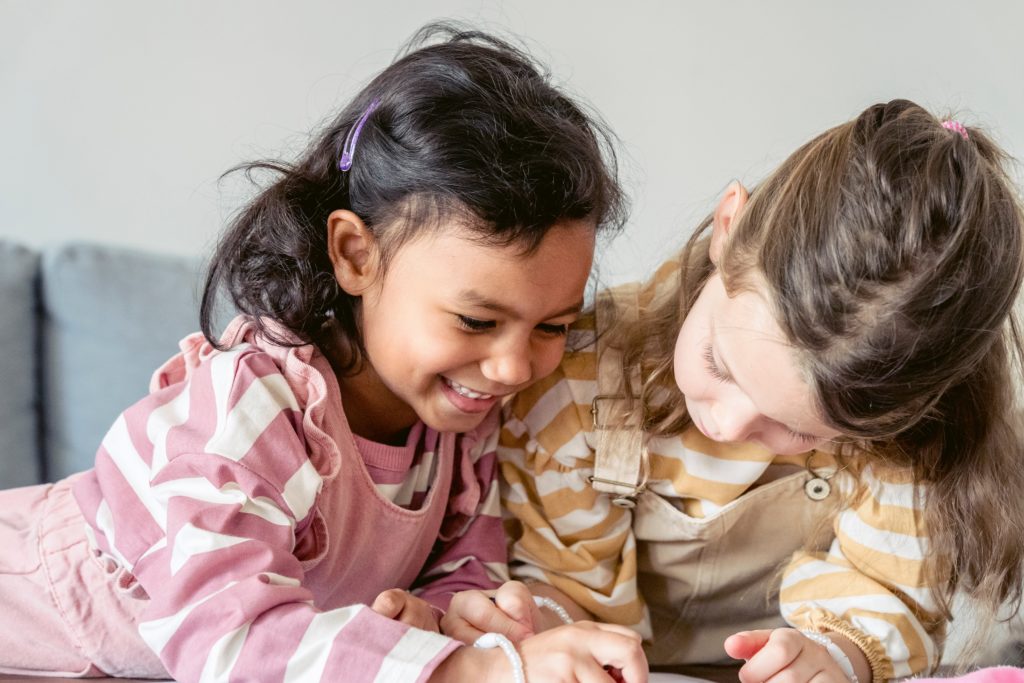
A child with autism may experience sensory sensitivities that neurotypical peers can empathize with. Loud noises, loud music, bright lights, even transitioning between activities can present challenges for some children.
“Sometimes a child with autism has challenges with communication and that can cause distress on either side,” Dr. Rue says. “I always tell folks if they are working with kids to develop friendships to allow for plenty of warm-up time.”
When planning a playdate, take it slow. Show your child’s new friend a quiet room in your home where they can take a break if needed, and recognize that if they take this break, it likely signals that they are overwhelmed, not disinterested. Communicate to your own child that everyone is frightened or overstimulated by something at some point and help them recognize their own fears or needs.
“I have seen some amazing pure human kindness across developmental stages,” says Dr. Rue. “When a child with autism has a meltdown, their friend can just sit and be in close proximity. They recognize independently that their friend is having a hard time. Or they assist with transitions through prompts like ‘follow me, sit at my table for lunch, hold my hand so you don’t get lost.’ Kids are pretty intuitive and can recognize that just being there and showing the way is a huge help.”
Parent encouragement can help blossoming friendships grow. Here’s what parents can do to support their children as they make and sustain friendships with kids with autism.

When a parent is aware of their own child’s developmental level, they are better prepared to help them make friendships with anyone — and be inclusive on the playground and in the classroom, Dr. Rue says. This is best achieved by talking about differences on a regular basis.
“It’s important to introduce your child to diversity, especially if you live in an area where there isn’t a lot of diversity,” she says. “Read books, watch videos, and have open conversations about differences. In addition to talking about skin color, you can talk about different ways that kids communicate with each other, including the idiosyncrasies of flapping, body rocking, and squealing because this is a way of expressing joy or frustration.”
“We always have lots of opportunities to interact with other humans in our communities, from the playgrounds to the grocery stores,” Dr. Rue says. “This is the time to model appropriate interactions and show empathy, and then discuss it with your child.”
For younger kids, Dr. Rue is a big fan of Sesame Street’s inclusion of a character named Julia. “Julia has autism and I love for parents of neurotypical kids to watch Sesame Street with younger children and talk about Julia and how she is different. It’s a great opportunity for a shared moment of watching and talking about differences and acceptance.”

Parenting a child with autism is stressful. “Research suggests that they experience more stress on a daily basis than parents of a child with a terminal illness. That’s a lot. Any small gesture, like saying hi or offering coffee or even just sitting and listening. Being an ear is very helpful,” Dr. Rue says.
Finally, have patience. Playdates can be easy but allow time for your child and their new friend to experience similar interests over a few visits. Help the other parent know that you understand and won’t give up after one meltdown or challenge.
“It’s so important to recognize that individuals with autism are all around us, doing great things,” says Dr. Rue. “We need to embrace that and learn about how to be supportive.”
For more school-related content, check out our blogs, “Five Steps to Help Your Child with Autism Make Friends” and “Back to School: Homework Tips.”
In this episode, Caroline Maguire explores the nuances of friendship through a neurodivergent lens, drawing from her book Friendship Skills for Neurodivergent Adults. She shares personal insights on social challenges, the difference between belonging and popularity, and the impact of masking and mismatched communication styles. Caroline introduces her “Three P’s” of friendship—Proximity, Practice, and Participation—as a framework for building meaningful connections, while also unpacking how friendships can evolve, from seasonal to lifelong. This conversation offers practical guidance, research-backed insights, and an empowering reminder to honor your own unique path to connection.
View the transcript, show notes, and previous episodes at: https://www.allautismtalk.com/episodes/friendship-skills-for-neurodivergent-adults
All Autism Talk is sponsored by LEARN Behavioral.

With over 20 years of experience providing compassionate, contemporary ABA therapy to children with autism, we’re delighted to share that we opened five new AST Learning Centers this past summer and fall in Fresno and San Marcos, California; Goodyear, Arizona; Albuquerque, New Mexico; and Clackamas, Oregon. Each new center held an open house that included an official ribbon-cutting with their local Chamber of Commerce and opportunities for families to tour the facility, speak with the leadership team, and participate in fun activities. These new locations offer a supportive, learning-rich environment where children with autism can work on individual skills in a group setting.
We couldn’t be more excited to support more families in the communities we serve. To learn more about where our services are located, find a location.
When it comes to parenting, the unknown can be one of the hardest parts. Worries creep in if you suspect something’s wrong with your child’s development. If you think your child may be showing signs of autism, there’s no guidebook to tell you what to do next.
It’s natural to feel overwhelmed. The process gets easier when you know what to expect.
If you’ve found your way to this post, you’ve likely taken the first step: questioning whether your child shows signs of autism.
Recognizing this possibility is a significant and sometimes challenging move. Rest assured, you’re not alone. This guide is here to provide you with valuable insights and support as you navigate through this process.
Autism spectrum disorder (ASD) affects how a person interacts, learns, and behaves. Everyone on the spectrum is different. Signs of autism usually start showing up when a child is very young.
Autism symptoms can be different for everyone. If your child is not growing or learning like other kids their age, or if they have any of the following signs, you might want to talk to your pediatrician:
Getting a diagnosis of autism starts with an evaluation. Experts will examine how a child behaves and will look at their past development. If your child’s pediatrician thinks it might be autism, they’ll send your child to an expert for a closer look. This process includes:
After an autism evaluation, our team of specialists will review and interpret the results. If your child is diagnosed with autism, our team will work with you to create a personalized treatment plan. This plan includes therapies to help improve communication, social skills, and behavior.
At LEARN, we work with families on a plan tailored to your family’s needs. We will adjust the treatment plan as needed. We’ll also provide you with resources and support.
Whether you’re just noticing signs or you’re already deep into the diagnosis process, our team is here to help. We know that recognizing and diagnosing autism can be challenging. But with the right support and guidance, you can navigate it confidently.
Date Revised: August 29, 2023
Parents and caregivers of children with autism often worry about them making friends.
This is understandable since social deficits are a key part of autism. Children on the spectrum often need support to learn social norms. They may also have difficulty with their behavior when they are with friends. They might need help managing their actions and learning coping skills.
As a new school year begins, how can you help your child make friends? What role should you play in your child’s friendships, and what steps can you take now? Here are five tips.
If your child acts out, especially if it puts them in danger, focus on that first. Find an experienced applied behavior analysis (ABA) provider. A board certified behavior analyst (BCBA) will help your child learn appropriate behaviors. If your child has difficulty communicating, a BCBA can help them learn language and communication skills. This will give your child a foundation for the social skills they need to start making friends.
Most likely, your child spends a lot of time with brothers, sisters, and close relatives. For this reason, family time can provide opportunities for frequent and focused learning. You can help your child practice these skills. Try activities that involve taking turns and asking to borrow things. Activities can also involve pretending and playing alongside others. They’re all opportunities to build social skills.
For instance, set up a scenario for your child to work on taking turns with family members. Taking turns is important for developing social skills like listening and resolving conflicts. Children learn social rules, like taking turns and sharing, through simple play.
Social media makes it easier than ever to share resources and events. You can also set up play dates for your children. Families can lean on each other for support, share information, and lend a listening ear.
If you’re not part of any online groups, think about joining one. You can connect with other families with children who have autism or special needs. Then, you can take part in similar activities. Often, children with autism join in activities like Special Olympics, sensory Sundays, or local social events.
Families with children in the autism spectrum disorder (ASD) community often become close friends. If possible, find families whose children go to your child’s school. This can help your child feel more comfortable at school, especially in the first days and weeks.
To include social goals in your child’s Individualized Educational Plan (IEP), take steps now since you can’t go to school with them. Talk to your child’s IEP team about their social skills progress and difficulties. You can also invite their BCBA to IEP meetings. When everyone agrees on what’s important, it sets your child up for success.
Your ABA provider may also offer after-school social skills groups. Those can give your child a safe and friendly environment in which to socialize. It can also help them practice socializing with peers. Each group has a behavior technician or analyst for personalized support. If your provider offers a social skills group for your child’s age range, consider signing up.
Like your child, you can take part in social events, too, and make friends with fellow parents. School events and parent evenings let you meet and talk with others. Don’t be afraid to introduce yourself and strike up a conversation. Over time, this sort of interaction can lead to friendships for both you and your child.
As you get ready for the upcoming school year, keep in mind that school is about more than just academics. It’s about fostering friendships. Use these tips to set up your child for friendship success.
For more tips on raising children on the autism spectrum, read our blog post, “Help Your Child Build Friendships With Kids With Autism.”
With over 20 years of experience providing compassionate, contemporary ABA Therapy to children with autism, we’re delighted to share that we opened a new AST Learning Center this December in Bakersfield, CA. The new center held an open house that included an official ribbon-cutting with their local Chamber of Commerce and opportunities for families to tour the facility, speak with the leadership team, and participate in fun activities. This new location offers a supportive, learning-rich environment where children with autism can work on individual skills in a group setting.
We couldn’t be more excited to support more families in the communities we serve. To learn more about where our services are located, find a location.