Top 5 Autism Studies from the Last Year

BY KATHERINE JOHNSON, M.S., BCBA
SENIOR DIRECTOR OF PARTNERSHIPS

Looking back at 2021, there were significant developments, both in research and thought leadership, in the field of autism and applied behavior analysis (ABA).  Here are some studies and papers you don’t want to have missed!


Girls’ Genetics and Autism

2021 gave us another important building block in the ongoing investigation in to how and why autism manifests differently in girls than in boys.  A study by Jack et. al. found that there was a much greater difference in brain activity in autistic and non-autistic girls, than was previously found between autistic and non-autistic boys when viewing biological motion.  In the second half of the investigation, they looked at the girls’ DNA.  What they found (greater differences in brain activity and more gene mutations among the girls) bolsters the “Female Protective Effect” theory, which holds that girls require more genetic predisposition to autism in order to show autistic traits.  Inquiries into how autism manifests differently depending on sex is integral to being able to more accurately identify and support girls on the spectrum.

Allison Jack, Catherine A W Sullivan, Elizabeth Aylward, Susan Y Bookheimer, Mirella Dapretto, Nadine Gaab, John D Van Horn, Jeffrey Eilbott, Zachary Jacokes, Carinna M Torgerson, Raphael A Bernier, Daniel H Geschwind, James C McPartland, Charles A Nelson, Sara J Webb, Kevin A Pelphrey, Abha R Gupta, the GENDAAR Consortium, A neurogenetic analysis of female autism, Brain, Volume 144, Issue 6, June 2021, Pages 1911–1926, https://doi.org/10.1093/brain/awab064

How Can Behavior Analysis Help Prison Reform?

Many behavior analysts have heeded the call to focus on their own cultural competence and anti-racism work; this paper outlines ways they can put those skills to good use.  Crowe and Drew review the history and current state of a social injustice faced by many people with disabilities: segregation via incarceration.  The authors posit that behavior analysts can help to interrupt the “school-to-prison pipeline” and outline their theory.  Although the authors call for a grand restructuring of the prison system (including abolition of the current system), they also offer thoughts on how behavior analysis could improve current institutions.

Crowe, B., & Drew, C. (2021). Orange in the new asylum: Incarceration of individuals with disabilities. Behavior Analysis in Practice, 14(2), 387-395. https://doi.org/10.1007/s40617-020-00533-9

Bridge Over Troubled Water…

If you have been following the conversation about ABA and neurodiversity, you’ll want to read this paper.  A group of Autistic and Non-Autistic authors challenge the belief that ABA is inherently harmful for Autistic people and proposes the perspective that behavioral interventions can be “compatible with the neurodiversity paradigm.”  After a history of autism and behavioral interventions, the authors delve into a thorough discussion of how Naturalistic Developmental Behavior Interventions may bridge the gap between opposing viewpoints about the use of behavioral interventions with people on the spectrum.

Schuck RK, Tagavi DM, Baiden KMP, Dwyer P, Williams ZJ, Osuna A, Ferguson EF, Jimenez Muñoz M, Poyser SK, Johnson JF, Vernon TW. Neurodiversity and Autism Intervention: Reconciling Perspectives Through a Naturalistic Developmental Behavioral Intervention Framework. J Autism Dev Disord. 2021 Oct 13. doi: 10.1007/s10803-021-05316-x. Epub ahead of print. PMID: 34643863.

The Function of…. Happiness?

And the Functional Analysis (FA) gets another twist!  Thomas et. al. assessed whether or not paying attention to indices of happiness would assist in finding effective interventions to decrease challenging behavior.  They found that when interventions were derived from what they learned about the children’s happiness, they were as effective as interventions based solely on the function of the challenging behavior, and they were associated with more behavior associated with happiness.  In the search for effective treatments that are maximally acceptable to consumers, this is a useful addition to the FA!

Thomas BR, Charlop MH, Lim N, Gumaer C. Measuring Happiness Behavior in Functional Analyses of Challenging Behavior for Children with Autism Spectrum Disorder. Behav Modif. 2021 May;45(3):502-530. doi: 10.1177/0145445519878673. Epub 2019 Sep 30. PMID: 31565953.

Assent in Research

With the addition of “assent” to the BACB Code of Ethics, behavior analysts have begun the search for research, resources, and materials on the topic.  After a discussion of the federal statute and how it may or may not apply to autistic subjects, the authors discuss assent in the context of the behavior analytic values of self-determination and choice.  They then examine how frequently assent has been obtained in the behavior analytic research (spoiler alert: not frequently), note the methods that have been used, and propose a procedure for obtaining assent from nonverbal potential research participants.  This may be the only JABA article on assent in 2021, but it’s a fair bet that it will inspire many more in 2022.

Morris C, Detrick JJ, Peterson SM. Participant assent in behavior analytic research: Considerations for participants with autism and developmental disabilities. J Appl Behav Anal. 2021 Sep;54(4):1300-1316. doi: 10.1002/jaba.859. Epub 2021 Jun 18. PMID: 34144631.

Neurodiversity – Origins and Impact

By Katherine Johnson. M.S., BCBA
Senior Director of Partnerships, LEARN Behavioral

Judy Singer is an autistic Australian social scientist. In the 1990’s, seeing echoes of her mother’s struggles in herself and her own daughter, it occurred to Singer that this common thread pointed to the possibility that their differences were actually neurological traits. They were having a first-hand experience of that part of biodiversity that is the natural range of variations in brain functioning: she coined it neurodiversity

The neurodiversity paradigm considers all brains to be normal; brain differences are simply the neurological counterpart to genetic variations in height, eye color, or hair color. Scientists consider such variation in biological traits to be essential to the health of individual populations and entire ecosystems.  When viewing autism through the lens of neurodiversity, it comes to light that some of the individual differences that have been assumed to need remediation in the past, may actually be important in helping society as a whole make progress through new and different ways of thinking. 

The concept of neurodiversity has been enthusiastically embraced by that portion of the autistic community who are able to speak, as it promises to alleviate some of the bias and discrimination they have experienced. Their common message? Specific words and types of support can have unintended negative effects, causing them to feel inferior, powerless, misunderstood.  

Arising from these negative experiences is a more widespread understanding of how words and actions affect the private events (thoughts and feelings) of people on the spectrum. ABA practitioners are charged by the BACB Ethical Code to “treat others with compassion, dignity, and respect,” and the voices of the neurodivergent convey essential information about ways to do this. 

LEARN’s Response

LEARN’s neurodiversity initiative is a direct result of listening to the insights of autistic folks who are able to express their experiences of living in a society that was built for neurotypical people. 

  • Development of a Person-Centered ABA workgroup – Learn Leadership charged a workgroup of clinical leaders with the task of supporting clinicians in reaching our vision for a neurodiversity-informed, Person-Centered ABA approach. The workgroup includes clinicians, supervisors, and clinical development individuals. 

  • Forming of a Neurodivergent Advisory Committee – The first action of the Person-Centered ABA workgroup was to formalize a process for getting input from the neurodivergent community.  The committee is made up of neurodivergent clinicians and non-clinicians who work at LEARN; they meet regularly to review and give feedback on articles, trainings, and other materials, and are compensated for their role on the committee.      

  • Co-creation of the Values Statement – The Person-Centered Workgroup and the Neurodivergent Advisory Committee co-created a values statement, entitled “LEARN Values Neurodiversity.” The statement was written in order to express our position to our clinicians and also guide subsequent actions by the Person-Centered ABA Workgroup. It was presented at an internal training and is available on our website. 
  • Communication – Shifting the mindset of a large organization doesn’t happen overnight. In order to connect regularly with our clinicians on person-centered topics, a portion of our monthly video message to clinicians includes information about subjects related to neurodiversity, such as ableism, assent, and including client input in treatment planning. It’s important that staff are not only hearing this information but also discussing it, so each month, clinical teams engage in discussions with their colleagues on these topics. 

  • Assent Leadership Workgroup – With the addition of “assent” to the BACB ethical code and the subject’s importance to treating our clients with compassion, dignity, and respect, LEARN is offering “guided exploration” groups in assent that meet regularly for four months. The intention is to create local leaders in Assent-Based Programming throughout our network.   

  • Treatment Plan Evaluations – Our Treatment Plan Evaluation team works hard to review clinicians’ clinical work through the permanent product of their treatment plans. These reviewers have been given resources to help them identify Person-Centered practices to promote in their feedback.

  • New Hire Training – In the 2022 revision of our New Hire Training for behavior technicians, we are explicitly teaching them about neurodiversity and assent, as well as ensuring that language throughout is respectful, and that programming examples fit Learn’s conception of Person-Centered ABA.
     
  • Autistic Voices – Throughout this process, we are having an increasing number of autistic guests on our podcast and making it a regular practice to interview autistic folks for guest blog posts.  These are ways that we can listen to autistic voices ourselves and also use our resources to center those voices in the ongoing cultural conversation.

As ABA practitioners, we have always cared about our clients – helping and supporting others is our entire reason for being. In the initial years of our still-young field, that care was expressed by taking a singular approach: teaching skills to help them function in our society. As autistic self-advocates find more channels by which to make their voices heard, the themes that are emerging tell us that there is more to supporting this community than just teaching skills. For instance, using words that validate our clients’ identities and sense of self is important. We can create a positive emotional experience for the people we support during the learning process – by listening to them and giving them agency. And most importantly: where success measures are concerned, our clients’ quality of life should be central.

LEARN is listening. 

To learn more about neurodiversity, check out our other blogs “Voices for All: Ash Franks” and “Neurodiversity: What It Means, Why It Matters.”

Voices for All: Ash Franks Talks about Supporting Autistic People While Being Autistic and Her Role on LEARN’s New Neurodiversity Advisory Committee

In September 2020, LEARN convened a group of neurodivergent staff to form our Neurodivergent Advisory Committee. The committee reviews and gives feedback on matters relating to neurodiversity and other person-centered ABA topics and was instrumental in the content, messaging, and visual design of LEARN’s Neurodiversity Values Statement. We asked Ash Franks, a member of the Neurodivergent Advisory Committee, to share her thoughts with us.   


HI, ASH! FIRST, I’D LIKE TO ASK YOU WHAT IT MEANS TO YOU TO BE AN AUTISTIC PERSON SUPPORTING OTHER AUTISTIC PEOPLE? 

Supporting other autistic people while being autistic means listening to what they have to say, however they communicate it, whether it be through an AAC device, sign language, PECS, or verbal language. It also means giving them breaks if they need it, and allowing them to use tools to cope (e.g. stuffed animals, headphones, weighted blankets, etc.). Looking back on my experiences as an autistic child has been very helpful in trying to help children who are at AST.

HOW DOES BEING AUTISTIC INSPIRE YOUR WORK IN ABA? 

Being autistic allows me to see different perspectives and ideas compared to neurotypical people, as they tend to think differently than I do.

TELL US A LITTLE BIT ABOUT THE NEURODIVERGENT ADVISORY COMMITTEE AND HOW IT WORKS. 

Basically, we are trying to re-vamp ABA materials through a more neurodivergent-friendly lens, so we can make our treatment as effective as possible. Having autistic people and other neurodivergent people look at ABA therapy through their eyes allows them to explain what works and what doesn’t work. This way, we can work to have treatment be as effective, safe, and as fun as possible for everyone involved. Having BCBAs see the autistic perspective is important because we have direct experience with what worked for us growing up versus what didn’t and might be able to help streamline the treatment to be as effective as possible.

CAN YOU GIVE ME AN EXAMPLE OF SOME FEEDBACK YOU HAVE GIVEN IN YOUR ROLE ON THE COMMITTEE? 

I tend to give feedback on the more artistic and creative side of things, as I am very geared towards having an eye for creative things in the world.

FROM YOUR PERSPECTIVE, WHY IS IT SO IMPORTANT TO INCLUDE AUTISTIC PERSPECTIVES IN OUR FIELD? 

Including autistic people in ABA is super important because we need to account for neurodivergent perspectives to make treatment as effective as possible. Since I am autistic, I can give a firsthand account of what has personally worked for me throughout my life, and what hasn’t. I myself was never in ABA therapy growing up, but I did other types of therapies that I also have found helpful from time to time.

WHAT ARE SOME OTHER PLACES IN OUR SOCIETY THAT YOU THINK IT WOULD BE HELPFUL TO LISTEN TO THE AUTISTIC PERSPECTIVE?

I think listening to autistic perspectives in the workplace would be very helpful. I think having a quiet room for staff that has sensory toys specific for staff would be very helpful, also maybe including a comfy place to sit with a weighted blanket would be good too. Another place it would be helpful to listen to autistic people is when it comes to shopping at malls, since malls can be overwhelming for most autistic people. I know some stores have “quiet” shopping hours where they reduce the lighting and turn off the music, and I really wish more places would do this.

ASH, THANK YOU FOR YOUR THOUGHTS AND FOR THE EXCELLENT WORK YOU’RE DOING ON THE NEURODIVERGENT ADVISORY COMMITTEE!

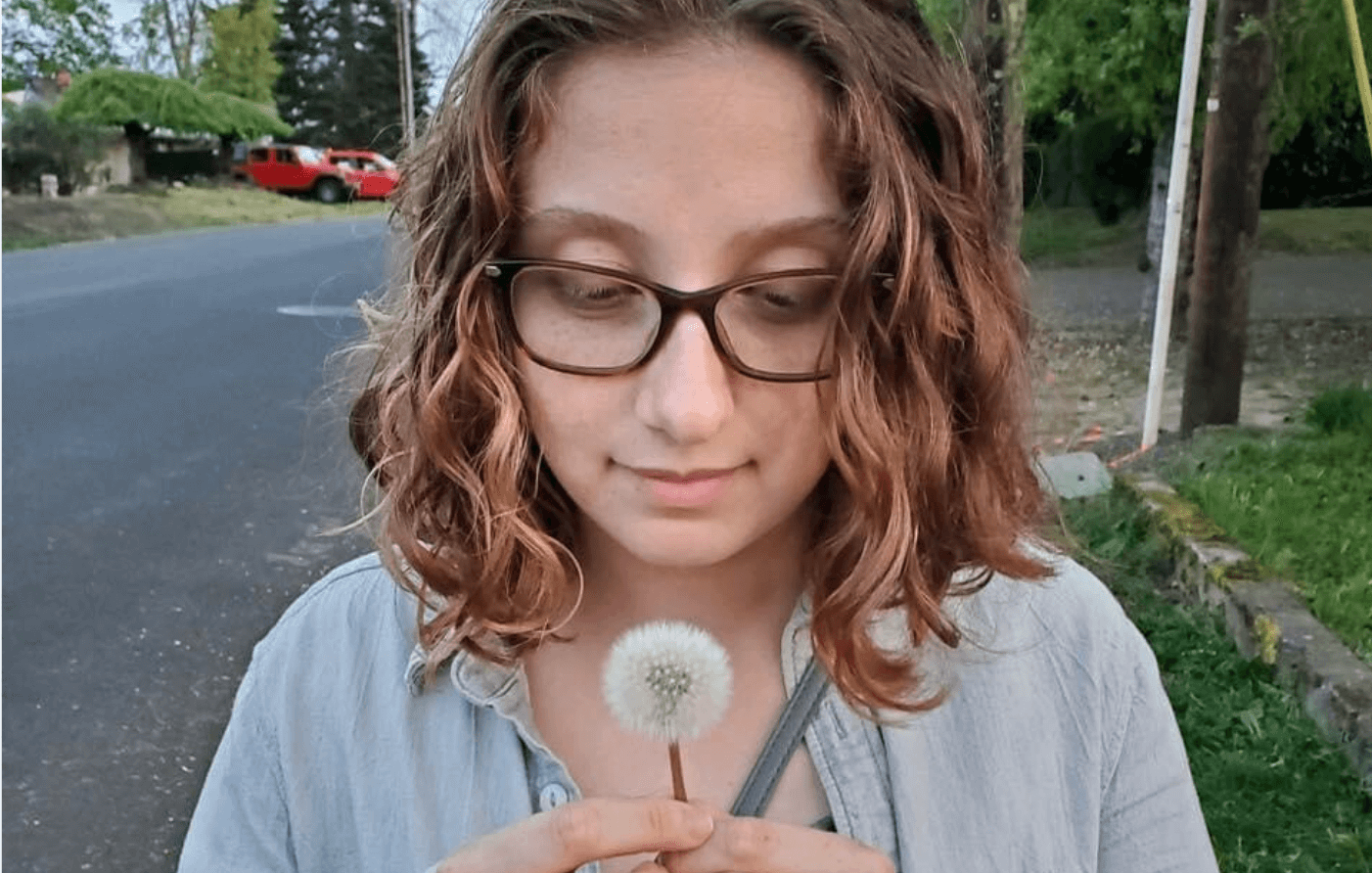
Ash Franks is a Behavior Technician for Learn Behavioral. Ash works in AST’s Hillsboro, Oregon location. Outside of work, she enjoys photography, cooking, video games, and spending time with family and friends.