
New Autism Learning Center in Appleton, WI, Now Open
October 19, 2026
October 19, 2026
We’re hiring BTs, BCBAs, Clinical Psychologists & More. View open positions



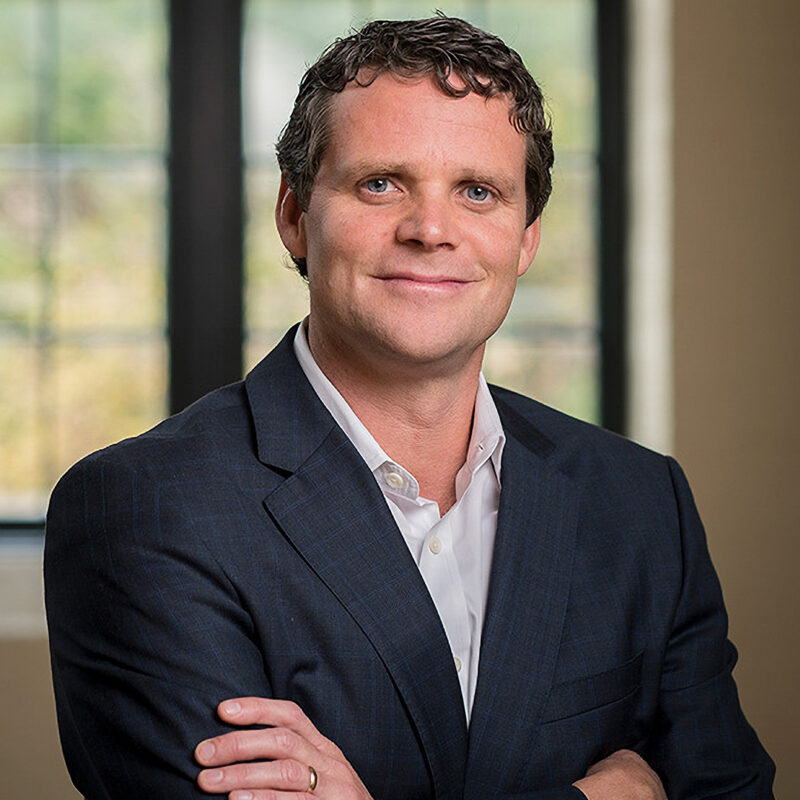
Michael Maloney, Founder and CEO of LEARN Behavioral, joins us to share about his early career in education and how a small consulting company grew into an organization that now provides autism services in over 17 states (23 with LEARN Academy). In this conversation, we also explore his insights about the changing landscape of services for families. Michael shares, “In the last ten to twelve years, there has been an absolute sea change. When we started, four states covered services, and now all 50 do. Parents often had to pay out of pocket, and few could afford to. The financial burden has lessened so significantly because of the growing awareness and advocacy.”
Watch the video interview at www.allautismtalk.com.
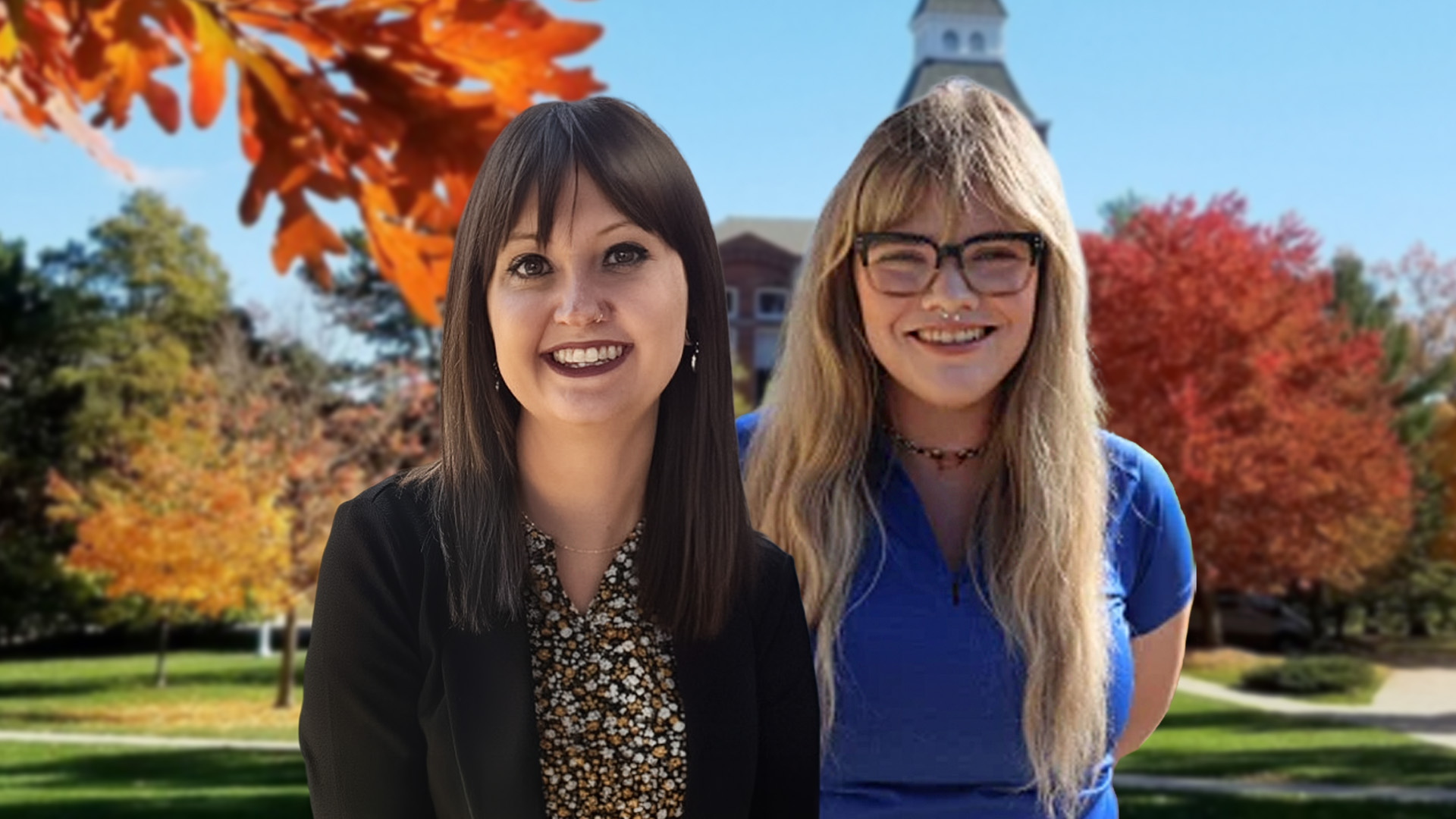
In this episode, Emilie Brotherton and Darby Schwien take us inside the ASCEND program at Missouri State University, a unique initiative supporting students with autism and other mental health challenges. They share how the program fosters connection through mentorship, social events, and a thoughtfully designed space for neurodivergent students. The conversation highlights the power of community, the impact of inclusive support systems, and offers helpful insight for prospective students exploring programs like ASCEND.
View the transcript, show notes, and previous episodes at: https://www.allautismtalk.com/episodes/college-accommodations-for-autistic-students
All Autism Talk is sponsored by LEARN Behavioral.
We’re thrilled to have a local ABA therapy Learning Center in De Pere, Wisconsin! To learn more about our center, visit here.
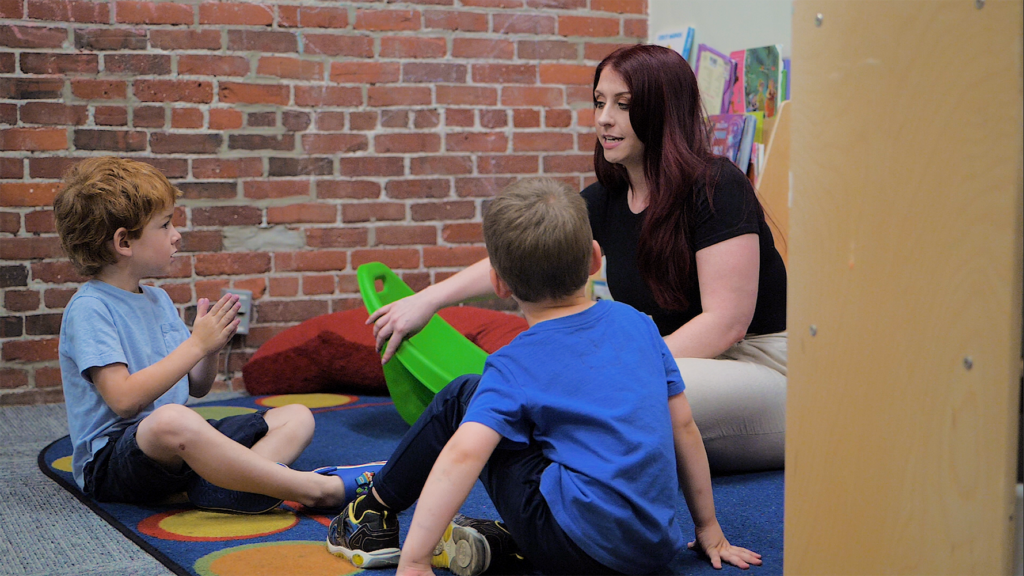
Our Launchpad program is an exciting opportunity for children with autism ages 2-6 who have made remarkable progress and skill development in a 1:1 environment and are ready to take the next leap toward thriving in a group setting.
Our program offers a balanced blend of supportive group interaction and one-to-one instruction. We understand the importance of a smooth and successful transition from early intervention and comprehensive 1:1 ABA services to group settings and have designed our program to bridge that gap.
Reach out to your local ABA provider to learn more about the Launchpad program.
By Sabrina Daneshvar, Ph.D., BCBA-D, senior vice president of clinical services at LEARN Behavioral
Autism isn’t always easy to spot. It’s a complex neurological and developmental disorder. It often shows up in early childhood and affects how a person interacts with others, communicates, and learns.
Since symptoms of autism vary so widely from person to person, it can be challenging to diagnose.
Recognizing early signs can be vital to getting help. If you suspect your child may be on the autism spectrum, talk to your pediatrician. A medical professional can guide you on the next steps. This may include a complete diagnostic evaluation.
You may be familiar with people talking about autism existing on a “spectrum.” This means a person’s symptoms can vary in severity across many areas. For example, some people might have trouble with social interactions and communication. They might have difficulty understanding body language or maintaining a conversation. Others might have repetitive behaviors or be intensely focused on certain interests.
Simply put, autism doesn’t look the same for everyone. Everyone experiences it differently.
Early Signs of Autism
While every child is unique, there are common signs of autism to watch for. Here are some:
Watch for signs such as:
Remember, these signs don’t confirm autism. But they suggest you should check with your health care provider.
If you think your child may be showing signs of autism, early intervention is critical. Children’s brains are most adaptable and responsive to learning during the first few years of life. Research shows that high-quality early intervention can significantly improve essential skill development. These include communication, social interactions, cognition, and self-care.
So, if you notice signs of autism, document your observations. Talk to your child’s doctor, and stay patient and positive.
Getting a diagnosis of autism is not an end. It’s a beginning. It opens the door to getting the services and support that can help your child thrive.
Accessing therapies early can lead to better long-term outcomes. It reduces the need for intensive support in the future. It can also help foster supportive environments for your child’s growth.
Early intervention can also teach you strategies for navigating the world of autism.
Interested in learning more about the early signs of autism? Visit our website for additional information and how we can help you get started on your child’s journey to success.