5 Sensory-Friendly Activities for Families Near Las Vegas, NV
November 20, 2026
We’re hiring BTs, BCBAs, Clinical Psychologists & More. View open positions


FEATURED POSTS



Date Revised: August 29, 2023
Parents and caregivers of children with autism often worry about them making friends.
This is understandable since social deficits are a key part of autism. Children on the spectrum often need support to learn social norms. They may also have difficulty with their behavior when they are with friends. They might need help managing their actions and learning coping skills.
As a new school year begins, how can you help your child make friends? What role should you play in your child’s friendships, and what steps can you take now? Here are five tips.
If your child acts out, especially if it puts them in danger, focus on that first. Find an experienced applied behavior analysis (ABA) provider. A board certified behavior analyst (BCBA) will help your child learn appropriate behaviors. If your child has difficulty communicating, a BCBA can help them learn language and communication skills. This will give your child a foundation for the social skills they need to start making friends.
Most likely, your child spends a lot of time with brothers, sisters, and close relatives. For this reason, family time can provide opportunities for frequent and focused learning. You can help your child practice these skills. Try activities that involve taking turns and asking to borrow things. Activities can also involve pretending and playing alongside others. They’re all opportunities to build social skills.
For instance, set up a scenario for your child to work on taking turns with family members. Taking turns is important for developing social skills like listening and resolving conflicts. Children learn social rules, like taking turns and sharing, through simple play.
Social media makes it easier than ever to share resources and events. You can also set up play dates for your children. Families can lean on each other for support, share information, and lend a listening ear.
If you’re not part of any online groups, think about joining one. You can connect with other families with children who have autism or special needs. Then, you can take part in similar activities. Often, children with autism join in activities like Special Olympics, sensory Sundays, or local social events.
Families with children in the autism spectrum disorder (ASD) community often become close friends. If possible, find families whose children go to your child’s school. This can help your child feel more comfortable at school, especially in the first days and weeks.
To include social goals in your child’s Individualized Educational Plan (IEP), take steps now since you can’t go to school with them. Talk to your child’s IEP team about their social skills progress and difficulties. You can also invite their BCBA to IEP meetings. When everyone agrees on what’s important, it sets your child up for success.
Your ABA provider may also offer after-school social skills groups. Those can give your child a safe and friendly environment in which to socialize. It can also help them practice socializing with peers. Each group has a behavior technician or analyst for personalized support. If your provider offers a social skills group for your child’s age range, consider signing up.
Like your child, you can take part in social events, too, and make friends with fellow parents. School events and parent evenings let you meet and talk with others. Don’t be afraid to introduce yourself and strike up a conversation. Over time, this sort of interaction can lead to friendships for both you and your child.
As you get ready for the upcoming school year, keep in mind that school is about more than just academics. It’s about fostering friendships. Use these tips to set up your child for friendship success.
For more tips on raising children on the autism spectrum, read our blog post, “Help Your Child Build Friendships With Kids With Autism.”
Dr. Linda LeBlanc, a Licensed Psychologist and author of 3 books on supervision joins us to discuss her latest book about ethics which she co-authored with Dr. Amanda Karsten, who is the Assistant Professor in the Department of Psychology at Grand Valley State University. Their new book titled Proactive and Practical Decision Making for Behavior Analysis explores the critical need for continually examining and evolving the role of ethics in providing services. As Dr. Karsten shared, “I hope we can help normalize the range of emotions that early career folks may be experiencing but also empower them with strategies they can put into motion and navigate step by step. And to know that being in a difficult ethical situation is not going to overwhelm them.”
For more information:
https://sloanpublishing.com/ethics
All Autism Talk (https://www.allautismtalk.com/) is sponsored by LEARN Behavioral (https://learnbehavioral.com).
By Ashley Williams, Ph.D., LABA, BCBA-D
Anyone in charge of the family calendar knows how important it is to stick to a schedule. It helps keep life on track.
For children on the autism spectrum, a steady schedule is even more important. A daily routine can create a sense of structure and predictability. It can reinforce a sense of stability and allow them to focus better on learning and interacting with others.
When family schedules change — like the transition from summer to back-to-school — it can be anxiety-provoking. The sudden shift from a relaxed summer schedule to a structured school routine can be overwhelming. However, maintaining a consistent daily routine during this transition can help alleviate some of this stress and anxiety.
For children with autism, continuing with applied behavior analysis (ABA) therapy when going back to school gives them a big advantage.
It helps to improve social, communication, and learning skills through reinforcement strategies. It also provides them with a set of tools to navigate the complexities of the school environment, helping them to learn how to interact with their peers, follow instructions, and interact in a classroom setting—all of which should be fun.
ABA therapy can be tailored to meet each child’s unique needs and goals, making it an effective way to support their overall development and learning. By incorporating play-based activities and strategies, children not only enjoy themselves but also experience the joy of learning through play.
For children with autism, transitioning back to school requires a careful balance between preventing skill regression and having fun. At LEARN, our goal is both. A collaborative relationship between your family and your behavior analyst can help you create a steady schedule that works during this time of transition and sets your child up for ongoing success in school and life.
Ashley Williams is a senior clinical director at LEARN Behavioral.
For more resources about ABA consistency, watch our video “How ABA Therapy Helped Our Children Succeed: Insights from Two BCBA Moms.”
Jessica Sylfest is the parent of a child with Autism and ADHD and the Sr. Director of Talent Acquisition for LEARN Behavioral. Jessica’s compassion, warmth, and learned wisdom are great offerings to all parents as we transition our kids back to school. There are a lot of specific strategies shared when navigating an IEP and how to establish good communication with your child’s team. As Jessica said, “I think there is such value in sharing experiences and sharing things that are going well and things that are a struggle. You really never stop preparing. It’s just perpetual communication, planning with the school and with the other resources in our lives.”
To watch more podcast episodes visit www.allautismtalk.com
Written by Alison Spanoghe, Behavior Analyst, Autism Spectrum Therapies (AST)
When I first started working in a school system with children on the autism spectrum in the early 2000s, my leaders told me to stick to my instructions — no matter what. They told me this would be best for the children in the long run. As a newbie, I followed orders.
Often, though, that approach led to anger, tears, and resistance from the children who needed my help the most. Despite science backing up the “follow-my-orders” approach, it didn’t always feel “right.”
Today, my approach has evolved to something called “assent-based practice.” It’s a model that puts an end to instruction through coercion. It prioritizes the child’s agreement to participate in therapy rather than mandating that they follow orders.
If you’re familiar with applied behavior analysis (ABA), you may have come across the term “extinction.” In simple terms, extinction means not reinforcing a previously reinforced behavior. The aim is to reduce the chances of that behavior happening again.
Let’s say your TV remote stops working. After a while, you’ll stop pressing the power button and maybe look for batteries or ask for help instead. The same principle applies to ABA services. If a certain behavior — like screaming — is not encouraged, the child will eventually stop doing it. You could then teach them a better way to communicate their needs instead of screaming.
While that might be good in theory, behavior isn’t always that straightforward. Also, the extinction approach can sometimes lead to other issues, like longer tantrums, aggression, or even distrust toward caregivers. That’s where assent-based practice comes in.
Assent-based practice focuses on making sure the child agrees to take part in therapy — even if that agreement is nonverbal. When a child is actively engaged, that’s one indication that they are communicating that they agree with participating in treatment.
This type of approach involves:
The goal of this technique is to equip children with autism with skills that are useful in any situation. It also helps them advocate for themselves and make it clear when they want to say “no.” It’s more of a compassionate way of providing care.
There are many benefits to using assent-based practice. It can:
Assent-based practice has become a popular topic in ABA services. It emphasizes getting the child’s agreement before continuing therapy. It teaches children to express their feelings. It also respects their dignity and independence.
Therapists can use this approach with any child at any time, leading to faster learning and better rapport with the child. While our understanding of assent-based practice continues to evolve, it is a worthwhile approach to consider because it puts the child first.
Alison Spanoghe is a behavior analyst with Autism Spectrum Therapies (AST).
This past May, Autism Spectrum Therapies (AST) relocated and opened a new Learning Center in San Gabriel, California, offering compassionate contemporary applied behavior analysis (ABA) therapy to children with autism in a center-based environment. Since 2001, AST has served the greater Los Angeles and San Gabriel communities through early intervention and ABA therapy in home-based settings and in partnership with schools.
The new San Gabriel Learning Center gives families who cannot access services in the home an option for their child to receive therapy in a safe, supportive, and learning-rich atmosphere. AST’s center-based services help children with autism learn the necessary skills to develop confidence and build friendships in a social setting. The San Gabriel Learning Center is currently enrolling preschool-aged children for daytime ABA services.
The Learning Center also offers seasonal social skills programs where children can participate in serious fun and serious learning alongside their peers. This July, the San Gabriel Learning Center will run it’s annual “Around the World Camp,” where students take a journey “around the world” with peers while enjoying arts and crafts featuring animals, flags, food, landmarks, maps, and more. Social skills programs give each child one-to-one support in a group setting while working on socialization, communication, and other skills that assist with growth and learning.
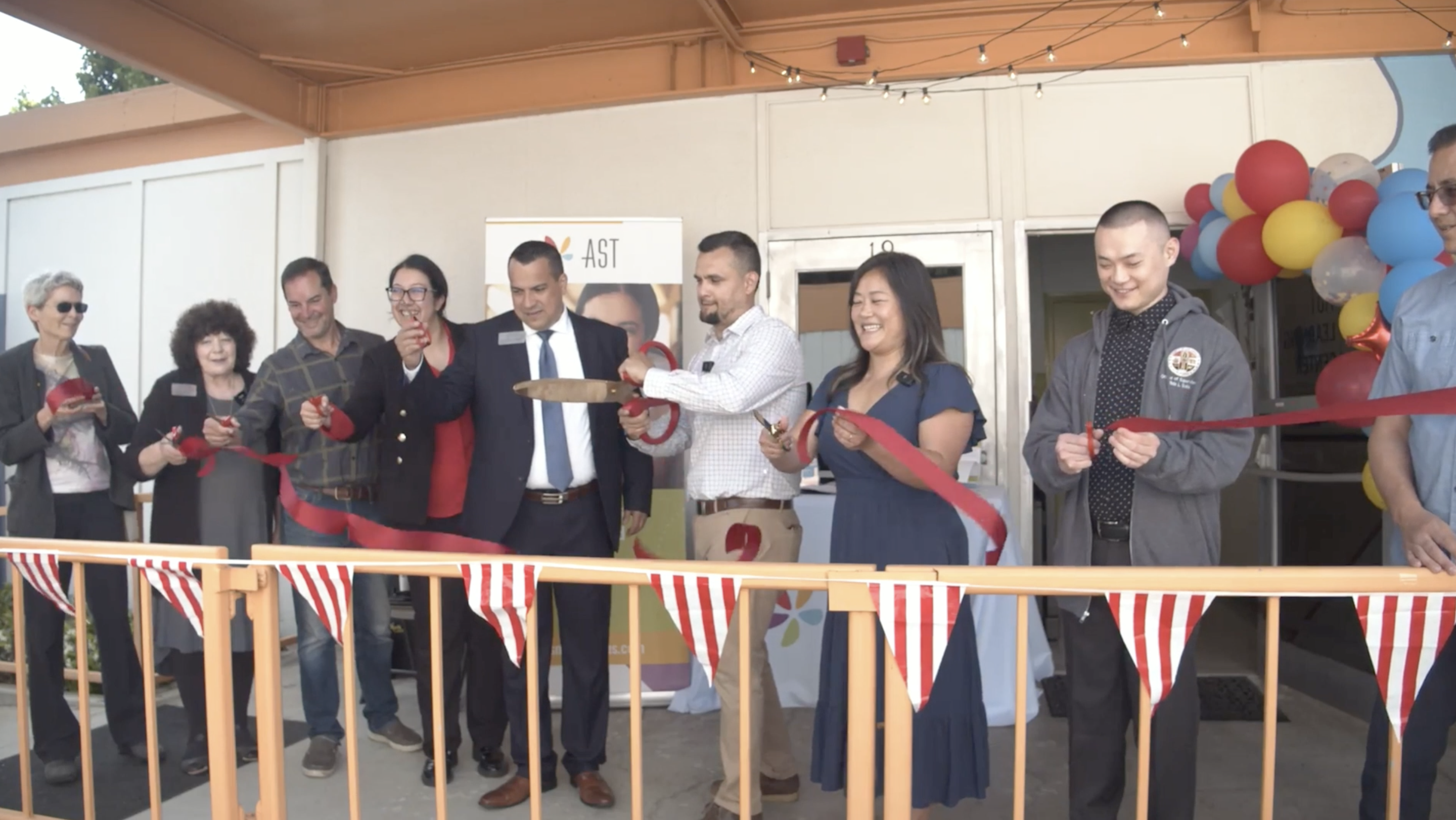
To celebrate the opening of our new Learning Center, we hosted an open house where the public and families were invited to visit our new facility, speak with our leadership team, and participate in a range of fun, carnival-themed activities. It was an enjoyable occasion that brought together the local autism community in San Gabriel and southern California. The event also featured an official ribbon-cutting ceremony presented by the San Gabriel Chamber of Commerce. Frank F. Lu, Field Deputy/AAPI Liaison, was also in attendance on behalf of Los Angeles County Supervisor Hilda L Solis’ office. We could not be more thankful for the warm welcome and support from the local business community and city officials. Our southern California team looks forward to serving the greater San Gabriel community for many years to come and is honored to nurture the unique potential in children with autism.
AST has proudly served families throughout California for 20 years and counting. We understand that every child has individual needs and interests, and we’re committed to providing tailored treatment that respects the unique needs, values, and cultures of every family we’re fortunate to help. Providing exceptional care and bringing positive outcomes for all children and families we serve is at the core of what we do at AST. We are steadfast in our mission of finding success for every child in our care through compassionate, contemporary ABA therapy.
AST offers ABA therapy in its Learning Centers, client homes, and school-based settings, as well as social skills, speech-language pathology, occupational therapy, and diagnostic services in various locations across eight states from California to Louisiana.
To learn more about our services or find an AST location near you, please visit our website.
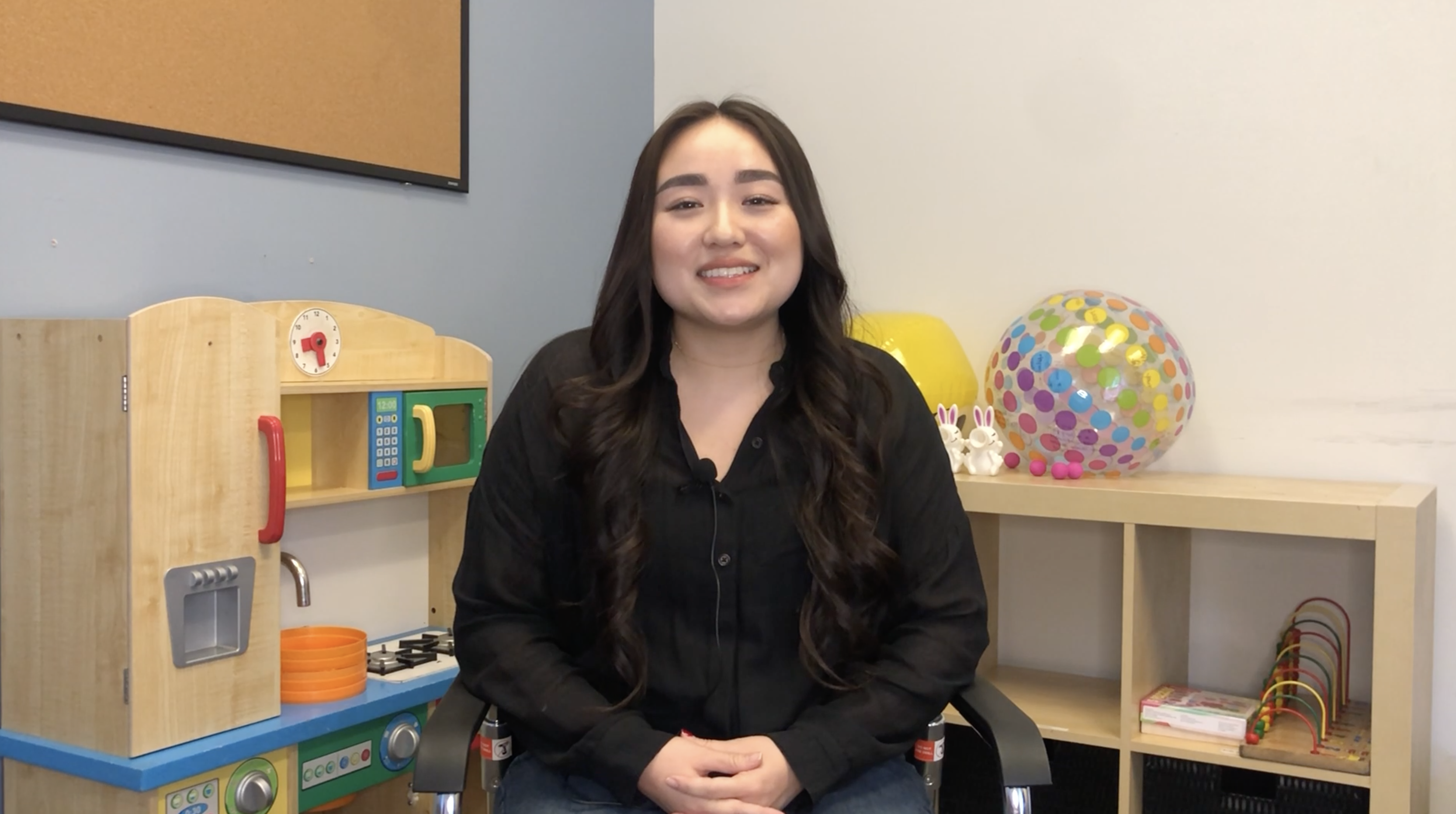
Madeleine from San Diego, CA tells us what it’s like being a Behavior Technician for Autism Spectrum Therapies. To learn more and start your career with us visit: https://lrnbvr.com/yt-madeleine
Our new San Gabriel, CA Learning Center had a successful grand opening! 🎉 We are so excited to offer ABA services in a clinic-based setting at our new center in San Gabriel.
Contact us for more information by visiting https://lrnbvr.com/ast-san-gabriel-rc
Our new Little Rock, AR Learning Center had a successful grand opening! 🎉 We are so excited to offer ABA services in a clinic-based setting at our new center in Little Rock.
Contact us for more information by visiting: https://lrnbvr.com/ast-little-rock-rc
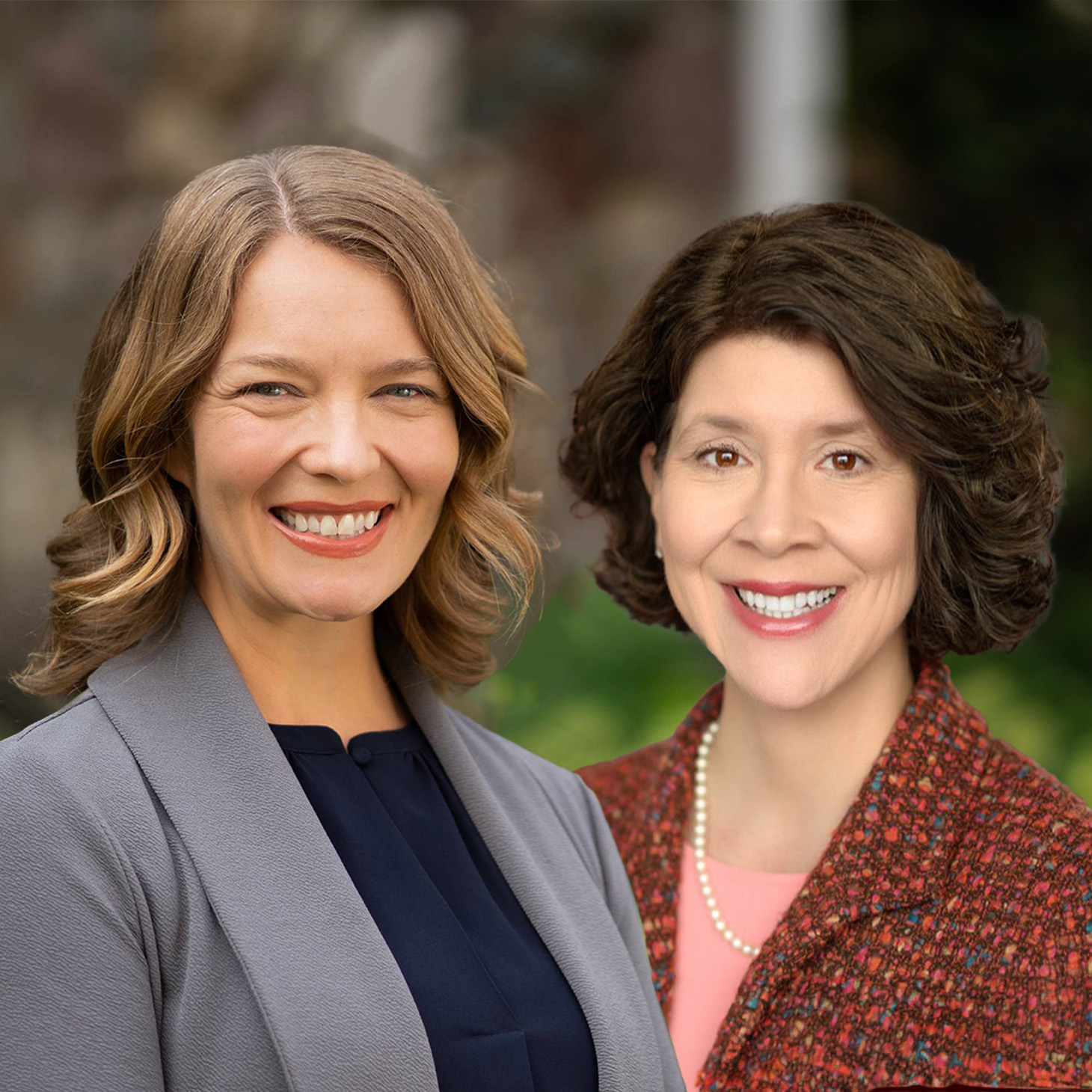
In this informative video, two Board Certified Behavior Analyst (BCBA) moms, Heather and Trisha, share their personal experiences with Applied Behavior Analysis (ABA) therapy and how it has helped their children succeed. For more information about our ABA Therapy services, visit: https://lrnbvr.com/yt-aba-moms