5 Sensory-Friendly Activities for Families Near Las Vegas, NV
November 20, 2026
We’re hiring BTs, BCBAs, Clinical Psychologists & More. View open positions


FEATURED POSTS



We’re open! 🎉 Check out the Grand Opening of our Sun Prairie, WI Learning Center! We are so excited to offer ABA services in a clinic-based setting at our new center in Sun Prairie.
Contact us for more information by visiting our WEAP website!
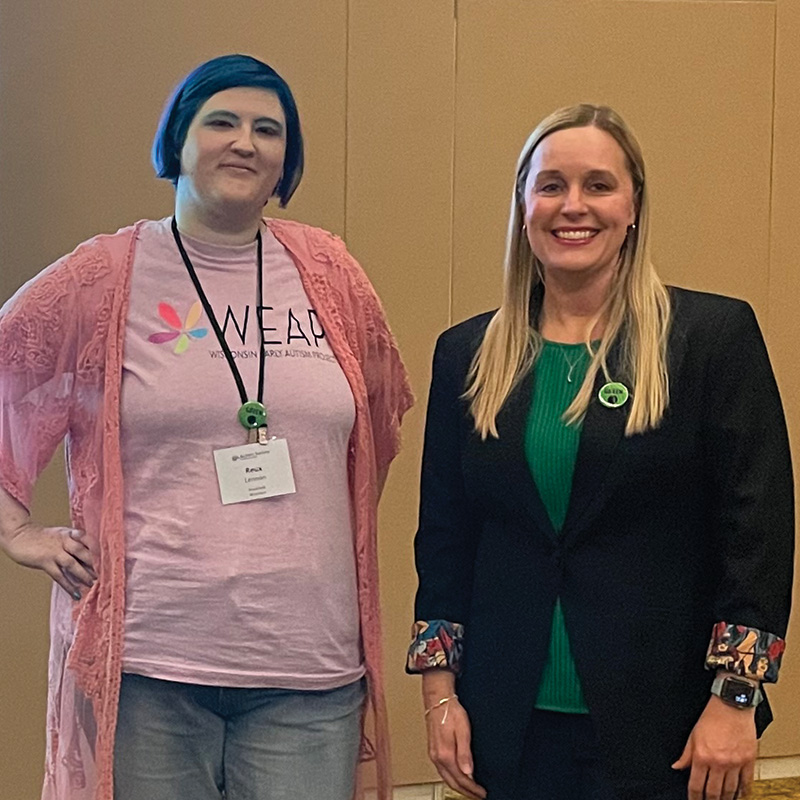
Dr. Becky Thompson, Director of Clinical Services for the Wisconsin Early Autism Project (WEAP), and Reux Lennon, Non-binary member of both the LGBT and Autism community and Lead technician with WEAP join us to share their work on the Person-Centered ABA team and the Neurodivergent Advisory Committee. Dr. Thompson leads LEARN’s Person-Centered ABA team, which is a group of clinical leaders within LEARN who are dedicated to compassionate and individualized ABA services. Reux shares how their work as one of the original members of the Neurodivergent Advisory Committee is creating change and including neurodivergent voices and perspectives.
For more information visit:
https://learnbehavioral.com/culture/neurodiversity
All Autism Talk (https://www.allautismtalk.com/) is sponsored by LEARN Behavioral (https://learnbehavioral.com).
LEARN recognizes the critical role that effective training plays in the success of any program or initiative. As a result, we have invested heavily in redesigning our Behavior Technician (BT) Training program to ensure that all our trainees receive the highest quality training possible. With nearly 5,000 BTs working on the front lines each day to provide contemporary ABA services to children with autism and their families, it is essential that our BT training is up-to-date, comprehensive, and effective.
In the fall of 2021, LEARN undertook a significant endeavor to revamp our BT training program, focusing on providing all trainees with a thorough understanding of the core principles of ABA. We collaborated with renowned experts from ABA Technologies to guide the redesign of our program, ensuring that it meets all the requirements for the Registered Behavior Technician® (RBT®) exam and that our BTs are fully prepared to deliver exceptional services to our clients. Additionally, our BTs receive individualized, client-focused training provided by supervisors once they are in the field.
Our commitment to using the most effective training methods and incorporating the latest evidence-based practices sets our BT training apart from similar programs.
Our program includes five core components:
We believe high-quality training requires a strategic and deliberate approach grounded in evidence-based practice. Our training approach is based on direct instruction, a method that emphasizes carefully developed instructional sequences using explicit teaching techniques. With direct instruction, our trainers provide our trainees with clear and concise guidance on how to master new skills and knowledge while ensuring they are fully engaged in the learning process.
But direct instruction is more than just an effective teaching method. It’s also a dynamic and fun training experience that motivates trainees to learn and achieve their goals. Using this approach, we create an engaging and supportive learning environment that encourages active participation and fosters a sense of community among our trainees.
Of course, to ensure that our trainers deliver the highest-quality training possible, we have invested heavily in their professional development. All of our trainers participate in extensive training in direct instruction and receive ongoing support and feedback regarding their use of training techniques. This ensures that our trainers are always up-to-date with the latest best practices in training and can provide our trainees with the most effective instruction possible. At LEARN, we’re committed to providing a world-class training experience that is both effective and enjoyable, and we believe that our approach to direct instruction is a key part of that commitment.
We understand that the workforce is constantly evolving, and many people are now seeking meaningful and rewarding employment. With this in mind, we designed our new BT training program to provide trainees with the skills and knowledge they need to make a positive impact on the lives of their clients and their families.
The LEARN BT training program emphasizes the importance of applied behavior analysis (ABA) and its ability to create lasting change in our clients’ lives. Trainees will hear directly from BTs who work in the field and have experienced firsthand the triumphs and victories of working with families. The majority of the training program focuses on learning how to use a variety of techniques and strategies used in ABA therapy and implement them effectively to achieve the best possible outcomes for their clients. Throughout the training program, trainees will have many opportunities to demonstrate their skills and receive feedback.
By emphasizing the impact that ABA can have on clients and their families, we aim to inspire our trainees to approach their work with a sense of purpose and dedication. By providing our trainees with the tools and knowledge they need to succeed, we can help them build rewarding and fulfilling careers that make a real difference in the lives of others.
We take great pride in our team of highly-motivated, dedicated, and skilled trainers to ensure the success of our trainees. Our trainers are not only experts in their fields but also possess a wealth of experience working with trainees from diverse backgrounds with varying experiences. They have an in-depth understanding of how to create an effective learning environment that is supportive, engaging, and personalized to meet the unique needs of each trainee.
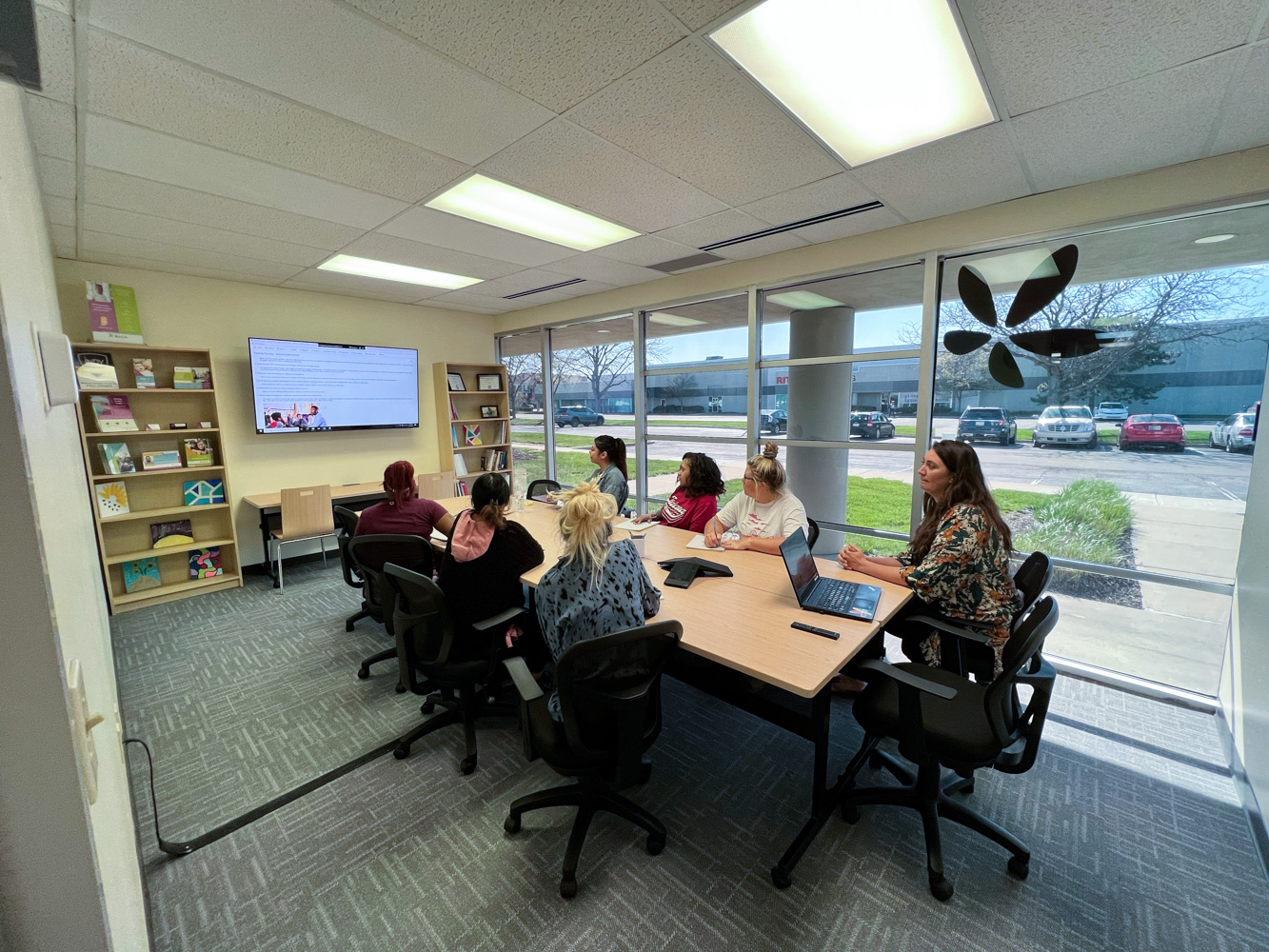
To achieve this, we use a highly interactive and engaging training approach that emphasizes hands-on learning experiences. Conducted in small groups, our live training sessions allow our trainers to provide each trainee with individual attention, support, and feedback. This approach ensures that trainees can practice and apply their new skills and knowledge and receive immediate feedback on their progress.
We believe that diversity, equity, and inclusion (DEI) are essential to creating a positive and productive work environment. We understand that a diverse workforce not only brings unique perspectives and experiences but also fosters creativity, innovation, and growth. That’s why we’re committed to supporting robust DEI initiatives that enable all employees to feel valued, supported, and empowered.
Our approach involves facilitating access to various resources, affinity groups, and training programs that promote DEI in the workplace. These initiatives include regular workshops and training sessions designed to help employees better understand DEI issues and learn how to apply best practices in their day-to-day work. Our trainers highlight the importance of DEI initiatives and encourage active participation from all employees.
Moreover, we believe that DEI initiatives are not just a box-ticking exercise but a fundamental aspect of our organizational culture. We recognize that fostering a culture of diversity, equity, and inclusion requires ongoing commitment, engagement, and action from everyone in our organization. As such, we encourage all employees to actively promote DEI and share their experiences, ideas, and perspectives with others.
At LEARN, we take pride in serving a diverse age range of clients, specifically young children. We recognize children are naturally curious and playful and that play is essential to their development. As such, we prioritize training our staff to engage children in meaningful and developmentally-appropriate play activities. We designed our training program to provide staff with the skills and knowledge they need to facilitate play-based learning experiences that are both fun and educational. We cover many topics, from the basics of child development to the latest approaches in naturalistic teaching. Our trainers work closely with staff to ensure they have a deep understanding of how to play with children at different developmental levels and tailor activities to meet each child’s unique needs and interests. By investing in our staff and providing them with the tools they need to succeed, we provide high-quality care to the young autistic children we serve.
Within LEARN, we’re committed to providing our trainees with the knowledge, skills, and resources they need to succeed in their careers. Our BT training program is just the beginning of a lifelong journey of learning and professional growth. We believe that ongoing education and skill development are essential for staying competitive in today’s fast-paced and constantly evolving job market.
That’s why we offer a range of advanced training programs, workshops, and continuing education courses that enable our trainees to deepen their knowledge and stay up-to-date with the latest best practices in their field. We’re dedicated to supporting career advancement and providing our trainees with the resources and guidance they need to achieve their professional goals.
Whether you’re just starting your career or looking to take the next step, LEARN is here to support you every step of the way. We’re committed to providing a world-class training experience that empowers our trainees to achieve their full potential and positively impact their communities.
Interested in working with us? Search our careers here: https://learnbehavioral.com/careers
To learn more about working as a BT, read “What in the World Is a Behavior Tech?” and check out our “Top 5 Reasons to Become a Behavior Tech.”
We’re proud to announce the expansion of our services in Michigan with the opening of a new Total Spectrum Learning Center in Portage this past March. This center is a testament to our commitment to providing children with autism the resources and support they need to develop essential life skills in a nurturing, group environment. Our mission is to empower children with autism and other special needs to achieve success in school and life, and we’re dedicated to providing contemporary and compassionate applied behavior analysis (ABA) therapy to help them achieve their goals.
The Total Spectrum Learning Center in Portage is designed to offer a learning-rich atmosphere that caters to the unique needs of each child. Our center-based services are complemented by home and community-based services that offer flexible scheduling options. We understand that every child has individualized needs and aspirations, and we’re committed to providing a comprehensive range of services that cater to those needs.
To celebrate the opening of our new facility, we hosted an open house where families were invited to tour our state-of-the-art facility, engage with our leadership team, and participate in a range of fun, spring-themed activities. It was a joyous occasion that brought the autism community in Portage and throughout Michigan together. The event was topped off with an official ribbon-cutting ceremony, which was organized in collaboration with the Southwest Michigan First Chamber of Commerce.
Our dedication to serving the autism community is unwavering, and we’re proud to have served children with autism for over a decade. Our commitment to the well-being of our clients has allowed us to emerge as one of the leading providers of ABA therapy in the country. We take immense pride in our work and are committed to continuing to provide the highest quality of care to our clients.
If you’re interested in learning more about our services or finding a Total Spectrum location near you, please visit our website. We look forward to continuing to serve the autism community in Portage, throughout Michigan, and across the Midwest.
We’re thrilled to announce our Arizona services expanded this March, as we opened a new AST Learning Center in Chandler. This newest center, which boasts state-of-the-art facilities, held an open house where families were invited to tour the facility, converse with our leadership team, and take part in a range of fun, spring-themed activities. The event was topped off with an official ribbon-cutting ceremony, which was organized in collaboration with the Chandler Chamber of Commerce.
At AST, we’re committed to providing children with autism the support and resources they need to develop essential life skills in a nurturing, group environment. Our latest facility in Chandler is no exception. The center is designed to offer a learning-rich atmosphere that caters to the unique needs of every child. Our comprehensive range of center-based services is complemented by home and community-based services that offer flexible scheduling options.
We take immense pride in serving the autism community in Chandler, throughout Arizona, and across our seven other states. Our mission is to empower children with autism and other special needs to achieve success in school and life. We understand that every child has individualized needs and aspirations, and we’re committed to providing compassionate and contemporary applied behavior analysis (ABA) therapy to help them achieve their goals.
We’re honored to have served children with autism for over two decades. Our unwavering commitment to the wellbeing of our clients has allowed us to emerge as one of the leading providers of ABA therapy in the country. If you want to learn more about our services or find an AST location near you, click here.
For decades, women have played a crucial role in diagnosing, understanding, and treating autism spectrum disorder (ASD). As ASD becomes more prevalent, women continue to be instrumental in developing and refining treatment through vast areas of research. There is much to be recognized, not only for women’s incredible contributions to the autism field but also for their experiences living on the spectrum.
In honor of International Women’s Day, check out our top five All Autism Talk podcast episodes featuring notable women.
All Autism Talk is a leading autism podcast that offers friendly conversation with inspiring individuals in the autism community. To learn more about All Autism Talk, please visit https://www.allautismtalk.com/
With over 20 years of experience providing compassionate, contemporary ABA Therapy to children with autism, we’re delighted to share that we opened a new AST Learning Center this December in Bakersfield, CA. The new center held an open house that included an official ribbon-cutting with their local Chamber of Commerce and opportunities for families to tour the facility, speak with the leadership team, and participate in fun activities. This new location offers a supportive, learning-rich environment where children with autism can work on individual skills in a group setting.
We couldn’t be more excited to support more families in the communities we serve. To learn more about where our services are located, find a location.
Kerry Hoops the current President of the Autism Society of Greater Wisconsin and the clinical director for Wisconsin Early Autism Project’s Green Bay region joins us to share about a unique clinic event and what can be learned. Kerry shares details of sensory-friendly covid vaccine events that utilized assent-based practice to create a comfortable experience for children. As Kerry put it, “When it was time for the shot, that was determined by the child. We were very open and honest with the child and let them know it would only happen when they said it was ok.”
Katherine Johnson. M.S., BCBA
Senior Director of Partnerships, LEARN Behavioral
Note: This article is about a form of ableism that affects one part of the autistic community: autistic people who are proficient verbal communicators. Those who communicate with AAC devices, typing, sign, or who don’t yet have the communication skills to engage with the wider world face other forms of ableism and discrimination not described in this article.
Remember the game “telephone”? One person whispers a message to another, that person whispers to the next, and on down the line until the last person announces the message so everyone can laugh at how many times the original sentence has been distorted.
Using a variation of this exercise, a study looked at how a message fared if the string of people in the telephone line were all autistic, all neurotypical, or a mix of both. It turns out that the rate at which the message degraded among the verbal autistic people was no greater than that of the neurotypical people. It was only when the message was sent through a mix of autistic and neurotypical people that the meaning deteriorated significantly faster.
If effective social communication was objectively deficient (not just different) in verbal autistic people, we would expect that the all-autistic string of people would produce the worst decline in messages in the study; that wasn’t the finding. Instead, the autistic people received and passed along messages amongst themselves just as well as the neurotypical people. The faulty communication resulted not from the autistic participants but from the mismatch between autistic and neurotypical communication.
This small study illustrates a theory by Dr. Damian Milton that he calls the “double empathy problem.” Challenging the assumption that neurotypical people have social skills that autistic people simply lack, he posits that the disconnects between autistic and non-autistic people are not the result of a one-sided skill deficit; they are instead a mismatch of neurotypes.
This is a dramatic reframing of the common belief about these communication breakdowns, which placed the fault squarely on the social skill profile of the autistic folks. The “empathy” part of the theory’s name refers to the widely-held idea that autistic people lack empathy, when the theory would suggest that autistic empathy is simply expressed differently. Slowly but surely, researchers are beginning to look at that other side of the coin: how the social skill profiles of neurotypical people might also undermine relationships.
For years, research has demonstrated that autistic people have difficulty interpreting facial expressions; a 2016 study finally looked at the reverse. They asked neurotypical people to interpret facial expressions of autistic folks – and they were unable to do it. The results of a series of studies in 2017 suggest that one reason people of different neurotypes have difficulty connecting is because neurotypical people form negative first impressions of autistic people (based upon appearance, not conversational skills), and subsequently avoid them. This indicates that some of the social isolation that autistic people face is due to ableism and discrimination.
The difficulties autistic and non-autistic people have connecting negatively impact both sides. Since autistic people are in the minority, disconnection from the neurotypical portion of their community can increase their feelings of loneliness and isolation. For its part, the neurotypical world is missing out on the unique, often innovative, autistic perspective.
Autistic people who have had huge cultural impacts on our society (environmental activist Greta Thunberg, actor Dan Akroyd, and Pokemon creator Santoshi Tajiri, to name a few) have had success in spite of a society that is largely unsupportive of and, at times, openly hostile to, the social profile of autistic folks. Imagine what brilliance we miss out on when autistic people are looked over, avoided, not hired, etc.
Even those who are not destined to become one of the famous few mentioned above have a perspective that can deeply impact those around them. Autistic people see the world from different angles, which can be an advantage in everyday problem-solving. They generally have a strong sense of justice, an unwillingness to be cowed by hierarchy, and a drive for honesty, sincerity, and specificity, all beneficial qualities in social relationships and the workplace.
The solution to the separation between people of different neurotypes has largely been to teach autistic people how to understand the rest of the world better. But by considering the double-empathy problem, we can see that this is only part of the issue. The other part is that non-autistic people also have skill deficits: interpreting and interacting with autistic people.
Just as history is written by the winners, social norms are written by the majority. If we want to work toward a future where people of all neurotypes better understand one another, we must listen to the experiences of the minority. It’s important to recognize that neurotypical “social norms” exist because they’re most common, not because they are inherently superior. These dominant “social norms” directly result from how neurotypical people think, behave, and process the world.
“Empathy” is about understanding another person’s experience. Ironically, to succeed in our society, autistic people must display empathy nearly constantly: decoding others’ unwritten rules and learning to approach the world in a way that works for others. To bridge the divide, nurture the gifts of the autistic people in our society, and for everyone to benefit from the valuable perspectives of the neurodivergent, those with neurotypical brains must follow this example. By challenging themselves to work toward understanding and adapting to the way autistic people see and experience the world, neurotypical folks can open themselves up to new friends with an intense devotion to honesty. Employers will find innovative autistic employees with rare specializations and a knack for accuracy. And society will benefit from recognizing and celebrating the valuable and previously underappreciated gifts of the autistic mind.
Damian E.M. Milton (2012) On the ontological status of autism: the ‘double empathy problem’, Disability & Society, 27:6, 883-887, DOI: 10.1080/09687599.2012.710008
Sheppard, E., Pillai, D., Wong, G.TL. et al. How Easy is it to Read the Minds of People with Autism Spectrum Disorder?. J Autism Dev Disord 46, 1247–1254 (2016). https://doi.org/10.1007/s10803-015-2662-8
Sasson, N., Faso, D., Nugent, J. et al. Neurotypical Peers are Less Willing to Interact with Those with Autism based on Thin Slice Judgments. Sci Rep 7, 40700 (2017). https://doi.org/10.1038/srep40700
By Karen Callahan
While no one can argue with the fun of traditional activities, such as building snowmen or snow angels, keeping your kiddo occupied throughout an entire snow day while confined to your house might require a few more tricks up your sleeve.
Consider the unique opportunities the snow can provide for you and your kiddo to explore different language concepts, social skills, academic tasks, and leisure activities. Think about bringing what winter has to offer indoors, where it is warm, for a unique way to learn and play together.
To get started, grab a few safe bowls (think plastic Tupperware), some pots, a muffin tin, and a few spoons of different sizes. Fill one bowl with cold water and another with hot water. Throw a big beach towel on the floor and grab some of that white, powdery stuff! Here are seven tips for snow day fun.
Most importantly, have fun and enjoy this new experience!