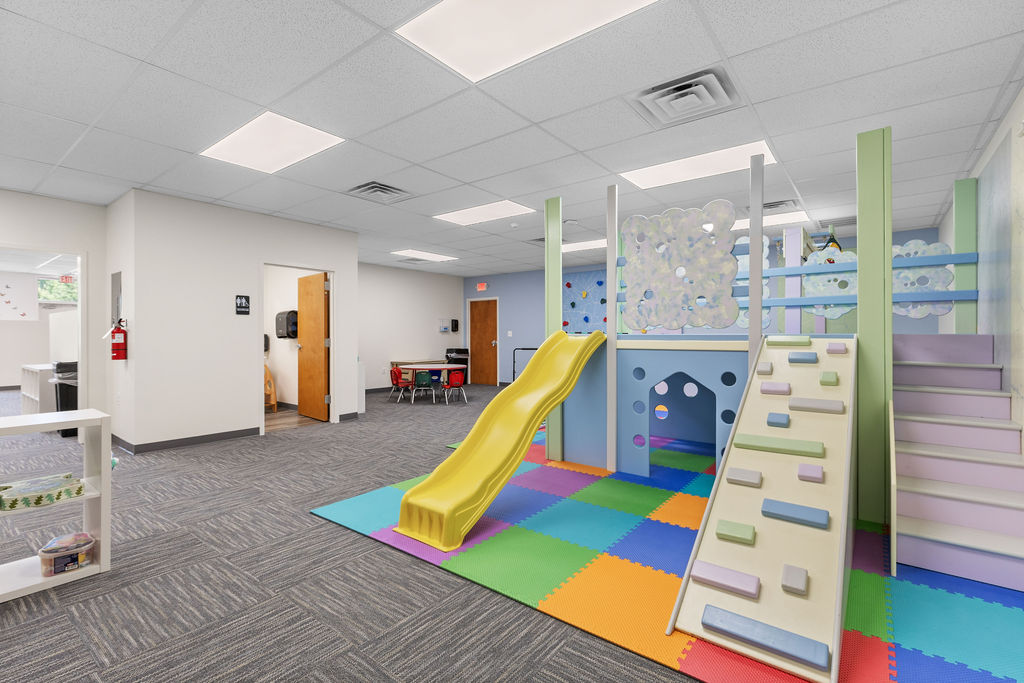
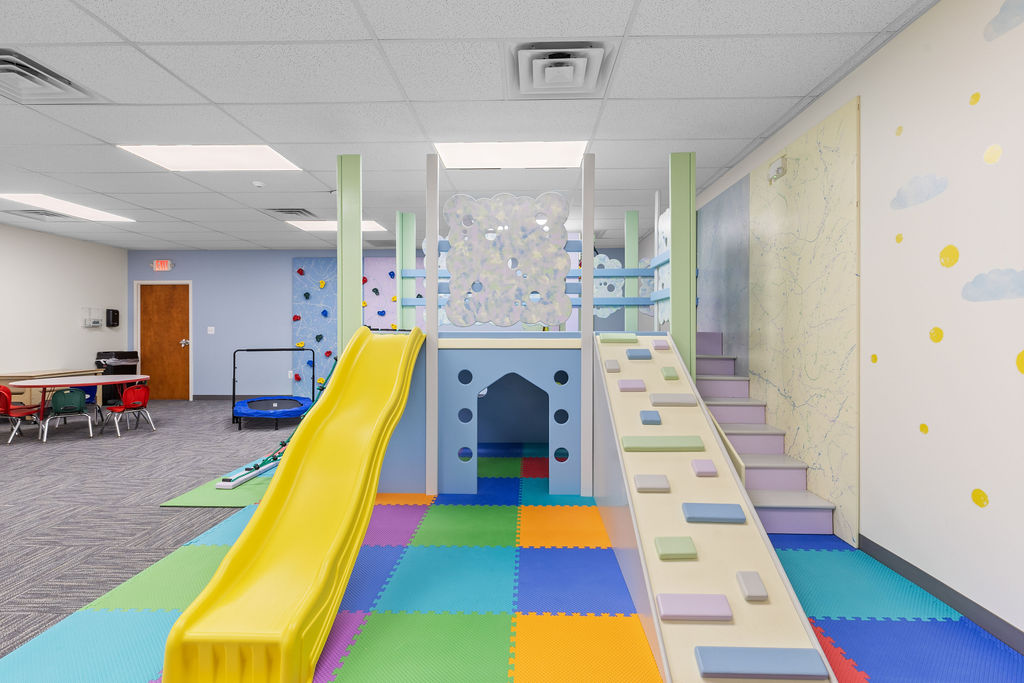
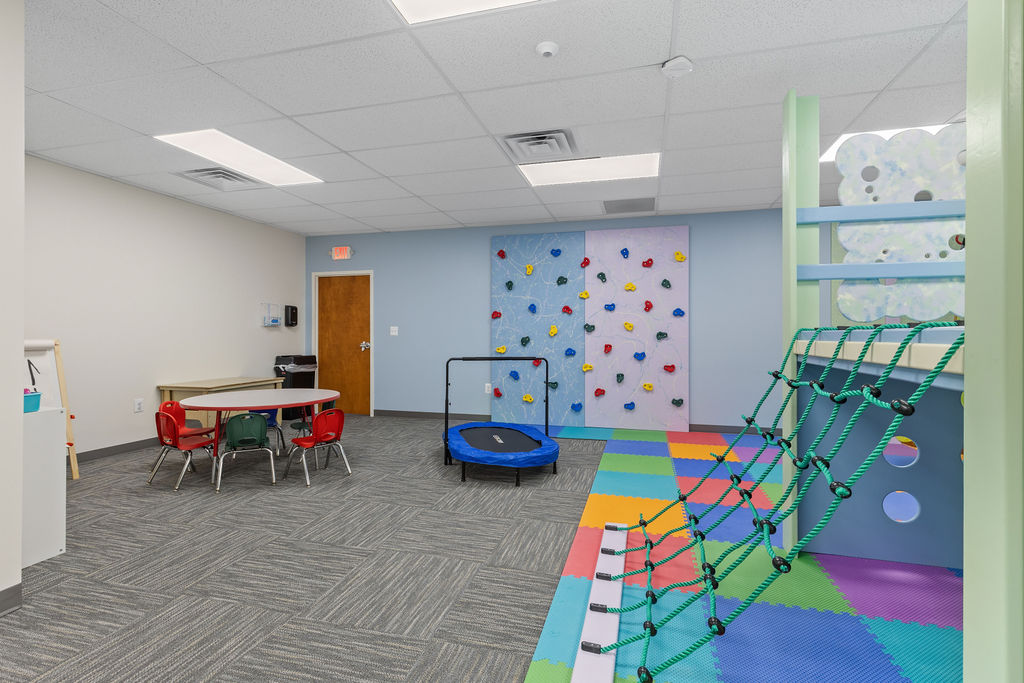
Planning a Fun and Safe Summer for Kids with Autism

Summer is officially here and along with the joy of concluding another school year, comes the challenge of navigating so many unscheduled, unpredictable and unexpected elements of the season.

Here are some helpful tips for planning your family’s summer activities that we hope will help create more fun and reduce the stress:

Maintain Some Structure
Try to maintain your child’s typical eating and sleeping schedule as much as possible. It’s not easy to stick to a schedule during summer, especially as this is a time when you want to let go a bit and relax. If you can maintain the basic structure of your child’s routine, you are less likely to have an overwhelmed child and the disruptive behavior that results.

Theme Park Programs
Visiting theme parks is a summertime family favorite but it also can bring a host of challenges for any child on the spectrum. Many parks offer Ride Accessibility Programs or Fast Pass programs for individuals with disabilities. If this is not an option for your family, there are other strategies such as planning your route ahead of time, splitting up (one parent goes with one child to an attraction while the other parent goes with another child to a different one), and bringing noise cancelling headphones to give your child a sensory break, etc.
Prepare in Advance
Travel requires specific preparation for children on the spectrum. It is important to familiarize your child ahead of time with the destination using photographs, videos etc. If your child has never flown or stayed in a hotel before, practicing these on a small scale (a one-hour flight first and a one-night stay at a local hotel are a really good idea).

Travel Safety
It is really important to understand a lot about where you will be staying during your vacation and the level of security of those locations. For example, if you are renting an apartment or home, it is critical that you check that each door has a lock and that the perimeter of the house is secure. Check whether your child can exit the location unassisted and be aware of what you need to do to secure the premises.

It Takes a Village
While vacationing, introduce your family.  Families who share with those around them, (especially in unfamiliar places like vacation destinations) about their child’s special needs tend to experience a more accommodating and supportive community. Helping others understand how they can help, can make your experience more relaxed and enjoyable.

Get Support From Your Team
Remember to use what works for your child while planning your family’s activities.  If you are working with an ABA provider, ask for assistance with goals that support a specific outing or trip.

Here are some additional resources to help make your season great for the whole family:

Watch our Parent Video: Summer Activities for Kids with Autism in Your Community

Evidence-based Practice and Autism

By Hanna C. Rue, Ph.D., BCBA-D

What is evidence-based practice?

By now, many people have heard of the term “evidence-based practice” (EBP). Many professionals in areas such as health care and education use the term EBP.  A clinician or practitioner is engaging in EBP if he/she is making use of high-quality research in their specified area, their clinical judgment based on experience with  certain population, intervention, or program, and taking into consideration the values and preferences of their client/student and their families.  EBP is not one thing but a framework that guides the practice of professionals.

How does a person identify high-quality research in the field of autism treatment?

It can be hard for professionals to keep up with the very active literature of autism treatment (e.g., behavioral interventions, educational interventions, medical interventions, etc).  So what is a family member to do when attempting to find research supporting a particular autism treatment/intervention? One way professionals and family members can remain informed about high quality research in the area of autism treatment is to read systematic reviews on the subject.

What in the world is a systematic review? Glad you asked.  A systematic review is a collection of empirical research articles that are reviewed by a researcher or research group.  The review typically includes a rating the of the quality of science in each study.  That is, the researchers develop a way to measure whether or not the study was well designed and carried out or was not well designed or carried out.  The researchers then determine the impact of the treatment/intervention on the participants in the study.  Researchers may develop a rating indicating how much participants benefited from the treatment.  Once researchers evaluate the quality of science and impact of treatment, they summarize the results.  These summaries make it easy for professionals and family members to find results of a multitude of studies in one place.  A number of recent systematic reviews regarding behavioral and educational interventions for individuals with autism have been published.  See below for links to websites providing access to the results of two systematic reviews.

What do you do with this information?

Once you review the results of a systematic review, you can make informed decisions regarding the treatment/ intervention programs for your loved one with autism.  For example, use this information when meeting with the professionals working with your family member with autism.  Ask professionals about their knowledge of interventions supported by quality scientific research and how to tailor these interventions to meet the needs of your family.  If you have home-based staff assisting with intervention implementation, ensure they have training to effectively use scientifically supported interventions.

Recommended websites:

National Professional Development Center

 National Autism Center

Structural Racism and its Impact on ABA: Disparities in Diagnosis and Treatment

LEARN is committed to fostering a culture that embraces what makes us each unique—be it race, ethnicity, gender/gender identity, sexual orientation, religion, national origin, disabilities/abilities, or socioeconomic background. LEARN aims to acknowledge the lived experiences and diversity of perspectives of our staff and welcomes our teammates to share their stories to help foster conversations about diversity, equity, and inclusion in our communities.

By: Jasmine White, M.S., BCBA, Behavioral Concepts (BCI)

Today, the topics of diversity, equity, inclusion, and equality are at the forefront of many organizations. The long-standing impact of structural racism and its influence on society can no longer be disregarded. People of all creeds are speaking out against injustices and the need to promote inclusion. The dialogues on disparities have led me to reflect on the field of applied behavior analysis (ABA) and the community which it serves. To what extent has structural racism impacted ABA as a practice? Are ABA practitioners able to identify biases within the field? What is the impact on the provision of services? How does it influence diagnosis? The literature on structural racism has shown that even the most well-intended person can possess biases, we are not immune. Therefore, it is our time as a community to gain an understanding of how structural racism has affected the field of ABA.  

Here at LEARN, it is our goal to contribute to a brighter future for all, which means bringing to light sensitive topics that are impacting the communities we serve. While this may be an uncomfortable conversation, it is needed for the development of cultural humility in ABA practice. LEARN’s focus is twofold, call attention to and create a constructive conversation around disparities in diagnosis and treatment related to diversity, equity, and inclusion. As an organization that serves a diverse population, it is our responsibility to bring attention to the disparities experienced by those we serve and to be a part of the solution towards lasting change. 

Ethnicity is known as belonging to a specific racial, national, or cultural group and observance of that group’s customs, beliefs, and or language. Depending on ethnicity, one may have a life exposed to more inequalities. For racial and ethnic minorities in the United States, these inequalities include health disparities, such as higher rates of chronic disease, lower life expectancy, and decreased quality of life compared to the rates among non-ethnic minorities.

Ethnicity also has a direct impact on how early autism is identified, evaluated, and diagnosed. Research shows that not only do Black and Latino children with autism spectrum disorder (ASD) receive their diagnosis and start intervention at an older age than White children with ASD, but they also less frequently receive evidence-based interventions. For Black and Latino families, this directly impacts service opportunities, outcomes, and quality of life. According to the Center for Disease Control, studies have shown that implicit bias, lack of access to healthcare services, and non-English primary language are potential barriers to the identification of children with ASD. The research established that Black and Latino children receiving ABA services were more likely to score lower on caregiver reports of health care quality than their White counterparts, including areas of access to care, referral frequency, number of service hours, and proportion of unmet service needs.  

As a community, we must investigate ways to expand access and resources to those who so desperately need services. Identify areas of structural racism and work to reduce and eliminate them from ABA practice. Train our practitioners to identify and bracket implicit biases. Find communication methods so that all families can have a voice regardless of the primary language spoken. Explore ways to have open and honest networks of communication so that we can continue to have conversations that evoke change. Here at LEARN, we hope to be a part of the solution to these disparities so that we may create an environment where there is equity in access for those we serve.  

Discover more about LEARN Behavioral’s Diversity, Equity, and Inclusion initiatives. Let us find ways to work together to increase awareness and improve access to the communities we serve. Together, we can achieve more.

LEARN pledges to create a community centered around trust, respect, tolerance, and empathy. Read more about LEARN’s DEI journey in our 2021-22 DEI Annual Report and find out how we are investing in our clinicians’ cultural competence and increasing the diversity of our clinical team. Together, we’re better.

Jasmine is a BCBA and has worked with BCI for four years. She recently graduated Magna Cum Laude with a Master of Science in ABA from Bay Path University in Longmeadow, Massachusetts. Jasmine is currently conducting her thesis on Implicit Bias in ABA and is looking forward to expanding multiculturalism research in the field.  

Neurodiversity: What It Means, Why It Matters

BY RONIT MOLKO, PH.D., BCBA-D
STRATEGIC ADVISOR, LEARN BEHAVIORAL

If there is one enduring hallmark of the American experience, it’s the immense diversity found within our expansive borders. Most of the time, we perceive diversity via differences in skin color, language, clothing, places of worship, or even the foods people eat when gathered around the table with their families. There is, however, one major aspect of diversity that is often overlooked—one that comes as no surprise, considering it cannot be detected solely through visual means. I am, of course, referring to neurodiversity.

Coined in the late 1990s by sociologist Judy Singer—who is on the autism spectrum—neurodiversity is a viewpoint that characterizes brain differences among individuals as normal, rather than as a disability. This viewpoint reduces stigmas around learning and thinking differences, while calling attention to the ability of neurodivergent communities to benefit from multiple perspectives and make greater contributions to society. Central to the movement is a rejection of the idea that these unique individuals need to be cured or fixed. Instead, it’s held that people possessing different types of brains need to be embraced and provided support systems that allow them to participate and contribute as members of the community to the best of their ability.

Grounded in Science

Unsurprisingly, the foundations of this not so new movement are grounded firmly in science and empirical study. By leveraging MRI results from hundreds of individuals, researchers have been able to compare the brains of people diagnosed with learning differences to their counterparts. So far, studies have shown that the brains of neurodivergent individuals are, in fact, unique. For example, the part of the brain that maintains language processing works differently for people diagnosed with dyslexia. Additionally, the prefrontal cortex, which manages executive functioning and attention, develops much slower in children diagnosed with ADHD. In other words, these individuals are not necessarily operating with a learning deficit but rather possess brains that are literally wired differently.

A Neurodiverse Population

Whether a group of kids recently diagnosed with autism or adults still grappling with ADHD or dyslexia, the American neurodiverse population is quite substantial. According to a 2021 report from the Center for Disease Control and Prevention, one in every 44 children in the United States is diagnosed with some sort of autism spectrum disorder, and an estimated 5.4 million adults—or roughly 2.2 percent of the entire population—fall somewhere along the spectrum. Many people on the spectrum have contributed (or still do) to their communities every day, such as Albert Einstein, Anthony Hopkins, Henry Cavendish, Greta Thunberg, Jerry Seinfeld, and Elon Musk. They have been among the world’s highest achievers, impacting the arts, sciences, technological innovation, and activism.

In much the same way as the neurotypical population, the neurodivergent population is broad, diverse, and multidimensional. It’s crucial, then, for the public not only to embrace their different brethren but also to actively promote opportunities for them both in society and in the workplace at all abilities and levels.

Fortunately for society writ-large, corporate America is starting to take notice. A recent article published in the Harvard Business Review named neurodiversity as a bona fide “competitive advantage,” noting the unique and, often, incomparable output provided by atypical members of their workforce. Numerous companies, including Hewlett-Packard, Enterprise, Microsoft, SAP, and Ford, have recently begun to reform their HR practices in an effort to expand neurodiversity in their ranks by identifying, hiring, and empowering these unique individuals. The results, so far, have been outstanding, with managers noting legitimate “productivity gains, quality improvements, boosts in innovative capabilities, and broad increases in employee engagement.”

Diversity of all kinds, including neurodiversity, strengthens our daily institutions. Just as we are seeing a focus on diversity, equity, and inclusion (DEI) in employment and other areas of life and commerce, we must also remember that recognizing and celebrating differences, promoting justice and fairness, and ensuring true support and inclusion applies not only to people with observable differences but also to our neurodiverse populations. Not all cognitive differences are visible, and it’s crucial to keep in mind that there’s more than meets the eye when it comes to true diversity.

In another blog post, Dr. Molko explains the history and evolution of applied behavior analysis (ABA) therapy. Read the story.

Growing Up With Autism And Finding Belonging and Purpose

Andrew Moore serves as Directory Administrator for Autistic Minds, an educational charity and resource center in the UK joins us to share his story of finding meaningful employment, mentors, and friends as an autistic adult. For Andrew, connecting with the organization Autistic Minds opened a whole new world. As he shares, “I just needed guidance and support for the fundamentals.”

Show notes:

https://autisticminds.org.uk/

All autism talk (allautismtalk.com) is sponsored by LEARN Behavioral (learnbehavioral.com).

8 Tips for Planning for a Successful Holiday for Your Child with Autism

The holidays are an exciting time as we share traditions, spend time with family, and navigate the different gatherings and celebrations. Holiday spirit can also bring holiday stress. We want to help you and your family have the most successful (and least stressful) season by offering our best practices and tips.

BEFORE THE HOLIDAYS

Start with Expectations

Having a positive and realistic mindset about what you want to create can make a big difference. What could go right this season? Keep an optimistic view of the possibilities for special moments you want to share. A winning holiday doesn’t have to mean extravagant plans. Consider what would be ideal, be prepared to accept when flexibility is needed, and look for the wins along the way.

Consider Comfort and Safety Needs

When visiting events or other homes, bring items you know will bring comfort for your child—things like earplugs (or headphones), fidgets, and soft clothes. When traveling, ask for needed accommodations from your airline and hotel. Make sure you are aware of possible water nearby and review crisis plans with loved ones.

Practice Before Events

Now is a great time to discuss upcoming changes to schedules and routines. Involve your child in the process whenever possible. Playing memory games with photos of those you will see this holiday season allows your child to identify matching names and faces. Establish a phrase or code word with your child to practice using when they need to take a break from events to calm down and relax.

DURING THE HOLIDAYS

Maintain Routines

During the holidays, change is inevitable but find ways to create or maintain routines for your child. What are things you can build into every day? Perhaps it’s something you do together each morning, afternoon, and evening (regardless of location). Utilizing visual supports like calendars and independent activity schedules can be helpful too.

Build in Fun!

Whether days are filled with errands or time at home, consider letting your child choose a couple of activities each morning for the day ahead. Here are some suggestions that might work for your family:

  • Bake something together
  • Do holiday arts and crafts
  • Take a drive to see holiday lights in your neighborhood, zoo, or garden
  • Help with decorations or gift wrapping
  • Sing along with holiday music

Consider Sensory Needs

Holiday meals can be tricky for some. Plan ahead for alternative foods that you know your child will eat. As we mentioned earlier, being mindful of dressing in (or packing extra) comfortable clothing can be helpful. Preferred items, such as toys or other objects that help promote calm for your child, are a good idea too. Consider making a sensory box that includes things to stimulate your child’s touch/sight/sound/taste/smell. Finally, establish a quiet “break space” that your child can utilize when needed.

WRAPPING UP THE HOLIDAYS

Plan for Rest and Recovery

After each scheduled big event or outing, try to allow time for a quiet evening that follows. Start a list or document on your computer of things that went well that you want to repeat and ideas about what would make it easier next time.

Transition Back to School

Packing holiday decorations and unpacking clothes can be helpful signals to your child that things are moving back to the normal routine. Other visual cues like a countdown calendar for back to school can help prepare them. Show them when school starts and have them mark off the days. Leave extra time the first morning back to school so you can have a nice breakfast and move with ease into the day. If possible, organize a nice, calm activity after school and focus on what went well at the end of the day.

5 Holiday Blogs Every Parent of a Child with Autism Should Read

The holidays are a time of joyous celebrations, filled with family gatherings and festive traditions. However, for some families with children on the autism spectrum, these changes in routines and schedules can present unique challenges.   

Navigating this season requires thoughtful planning and understanding. To support you, we’ve curated our top holiday-themed blogs, offering tips from calming activities to successful holiday planning. Discover more below and check out our All Autism Talk podcast episode “Creating a Successful Holiday for Children with Autism” for additional ideas.  

Here are summaries of our top holiday blogs: 

1. 6 Calming Activities for the Hectic Holiday Season 

Discover practical solutions to help children with autism enjoy the holidays. This blog suggests creating a calm-down kit, using quiet spaces, and engaging in activities like yoga or meditation to manage sensory overload. 

2. 5 Tips for Selecting the Best Holiday Gifts for Kids with Autism 

Gift-giving can be tricky, but this blog provides tips to choose the perfect gifts for children with autism. It emphasizes focusing on the child’s interests, strengths, and safety needs to ensure a joyful holiday experience. 

3. 8 Tips for Planning for a Successful Holiday for Your Autistic Child 

Planning is key to a stress-free holiday. This blog advises on maintaining routines, considering sensory needs, and practicing before events to allow for a smooth holiday season. 

4. Make the Holidays Successful for Kids on the Autism Spectrum 

Adaptability is crucial for holiday success. This blog highlights the importance of adjusting expectations and choosing traditions that work for your child. 

5. Why Gratitude Matters, and How to Foster It in Kids with ASD 

Gratitude can transform holiday experiences. This blog explores how fostering gratitude in children with autism can enhance their social and emotional well-being. 

Incorporating these strategies can lead to a more joyful and stress-free holiday season for your family. By tailoring these tips to fit your child’s unique needs, you can create an environment where they can thrive during festive celebrations. 

5 Tips for Selecting the Best Holiday Gifts for Kids with Autism

Buying the perfect gift for kids and other loved ones can be challenging, and this can also be true when buying gifts for kids with autism. To help make your gift-giving easier, here are a few helpful tips to keep in mind when purchasing gifts for autistic children.

Focus on what brings the person joy.

Research shows that incorporating interests and preferences into the learning and play environment of kids with autism can increase positive behaviors and aid in skill acquisition (1). With that said, we can capitalize on what someone already likes. For example, if a child likes dogs, shop for games, activities, or toys that are dog-related. If a child enjoys swimming, activities that involve water play may be a hit (e.g., water tables, sprinkler toys, water beads, grow capsules). Alternatively, if a child is sensitive to loud noises, a toy fire truck with a siren may not be appropriate. Ask friends and family of the person for whom you are buying the gift what that person generally likes and/or dislikes.

Focus on the person’s strengths and abilities.

Many toys come with age recommendations, and while these recommendations are helpful, they might not always lead you to the perfect gift. A good rule of thumb when purchasing a gift is to consider the age and the development of the person for whom you are buying a gift. For example, the game “Apples to Apples” would not be developmentally appropriate for a non-verbal teen, even if it is an age-appropriate game. When looking for the right gift, focus on the person’s strengths. For instance, if the non-verbal teen mentioned above is great at drawing, then a sketch pad or an adult coloring book could be a more appropriate gift. If you are unsure about the child or teen’s strengths, ask a friend or family member of the person for whom you are buying the gift about their specialty areas and abilities.

Note: Be sensitive to how family and friends of a child and teen with autism may feel when being asked questions about the skills of their loved one. When asking questions, always frame them from the perspective of accomplishment (e.g., what skills have they mastered) and not deficit (e.g., in what areas are they delayed) to be supportive and respectful of their growth and development.

Be mindful of behavior triggers and safety risks.

Some children with autism engage in behaviors that put them or their loved ones at risk of harm. For example, if a child engages in pica (e.g., eating nonfood items), gifts containing small objects may pose as a choking hazard. Another example is if a child engages in aggression towards others, gifts with violent content may not be appropriate, as additional exposure to violence may interfere with their goals. Alternatively, a sensory-seeking child may benefit from gifts that allow them to stim. For example, if a child rocks back and forth, a swing may be a great way to meet their sensory needs. Additionally, certain objects can elicit sensory sensitivities which can trigger behaviors in some children and teens with autism (e.g., loud noises, highly preferred items, phobias, etc.). Ask friends and family of the person you are buying the gift for if there are any behaviors that possess a safety risk that need to be considered before purchasing a gift.

Focus on toys that encourage interaction with others.

Social deficits are a defining characteristic of autism. When gift-giving, try to purchase gifts that encourage social interaction. While almost any toy or game can be turned into a group play, certain activities may be more conducive to social interactions than others. For example, instead of buying a computer game, consider purchasing “Bop It,” which is an electronic interactive game that can be played among a group of friends or family.

Focus on finding new things they will love.

Children and teens with autism sometimes have restricted or limited interests (e.g., only talking about trucks or only playing with dinosaurs). To help build upon their current interests to introduce them to a wider range of activities, try finding new activities similar to their current interests. For example, if a child’s favorite activity is playing with “Play-Doh,” kinetic sand or slime may be an appropriate gift to help expand their interest due to its similarity in form of play. Ultimately, gifts that will provide new experiences may act as potential new reinforcers (e.g., stimuli that increase behaviors) and could significantly enrich the child or teen’s learning environment.

Resources

Increasing Task Engagement Using Preference or Choice-Making
Some Behavioral and Methodological Factors Affecting Their Efficacy as Classroom Interventions

For more holiday tips, check out Reducing Holiday Stress for Families of Children with Autism and Preparing for Holiday Meals.

Sensory Overload at School

Sensory overload happens when the brain receives more sensory input than it can process. For children on the autism spectrum, this sensory overload often stems from perceptual or biological experiences, but can also be triggered by changes to their routine or learning environment.

Explore what contributes to sensory issues, how this might manifest in your child, and ways to support children in developing coping strategies or supporting their preferences. Subscribe to stay in the loop about helpful tips for your child with sensory sensitivities!

Join Our Team of Behavior Analysts

What’s it like to work as a Behavior Analyst with LEARN Behavioral and our network of providers? Hear from real Behavior Analysts about what their experience has been like.

LEARN more about how you can pursue excellence with LEARN by visiting our Advance Your Career page.