

New Autism Learning Center in Appleton, WI, Now Open
October 19, 2026
October 19, 2026
We’re hiring BTs, BCBAs, Clinical Psychologists & More. View open positions



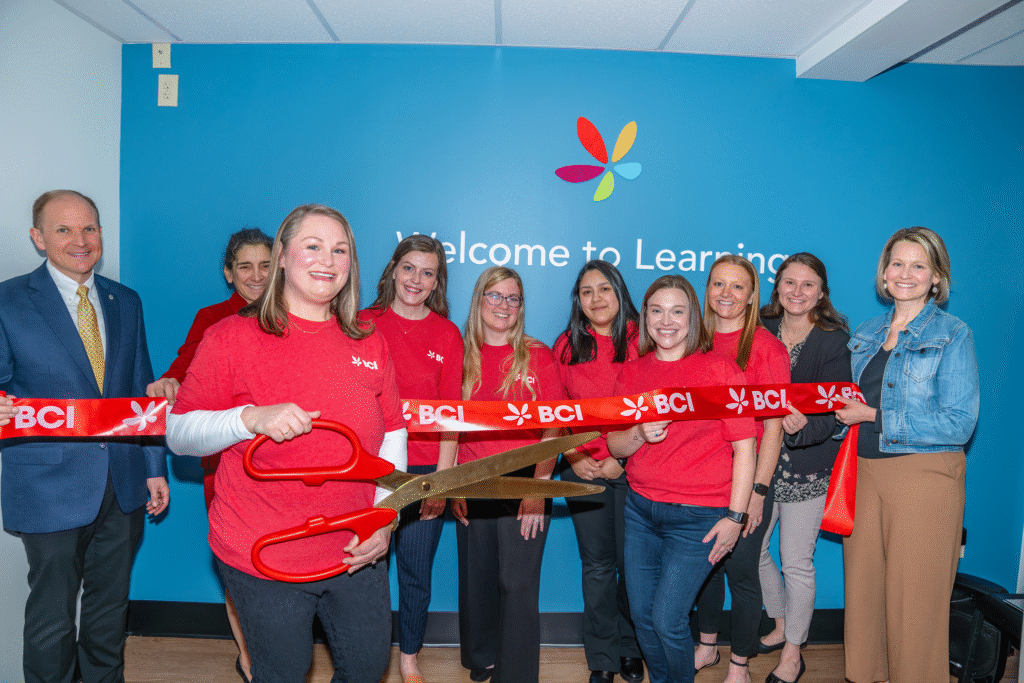
Behavioral Concepts (BCI), a provider of LEARN Behavioral, officially opened its doors with a ribbon-cutting ceremony at its new Sturbridge Learning Center, 179 Main Street, Suite 2, Sturbridge, MA 01566.
A ribbon-cutting ceremony hosted by the Worcester Regional Chamber of Commerce was held on March 26, 2026.
During the ceremony, State Representative Todd Smola and Amanda Hellyar, District Director for Senator Ryan Fattman, shared greetings and remarks. Erika Burrows, President of the Worcester Regional Chamber of Commerce, and Town Administrator Robin Grimm also shared remarks.
Members of the Worcester Regional Chamber of Commerce and other guests were in attendance.
Ribbon-cutting attendees were able to tour the facility, enjoy light refreshments, and meet BCI’s leadership team, Annaleisa Delgado, BCBA, LABA, Regional Clinical Director, and Tiffany Zayas, M.S., BCBA, LABA, Senior Regional Clinical Director.
“We’re proud to bring compassionate, high-quality ABA therapy to families in the greater Sturbridge area,” said Annaleisa Delgado. “At BCI, we tailor our services to each child and family—offering age-appropriate, engaging learning experiences rooted in science and guided by care.”
BCI is Sturbridge’s premiere contemporary applied behavior analysis (ABA) provider of center-based autism services for children ages 1-12 years. The Sturbridge Learning Center provides center-based ABA therapy, parent education, diagnostics, Early Intervention, and Social Skills Programs. Outside of the center, the Sturbridge team offers in-home ABA therapy.
Delgado continued, “Our new space was designed to support both individual growth and peer collaboration. It’s a place where children can gain essential skills—and where their journey toward success in school and life begins. We’re honored to be part of this community and grateful to offer life-changing services right here in Sturbridge.”
The Sturbridge Learning Center offers after-school treatment hours to accommodate busy family schedules. There is no waitlist. The center is conveniently located near Old Sturbridge Village, I-84, and US-20, and easily accessible for families in the region.
For more information or to enroll a child at the Sturbridge Learning Center, call 508-363-0200 or visit https://bciaba.com/locations/sturbridge
BCI, part of the LEARN Behavioral network, is one of the nation’s leading providers of compassionate autism care. For more than 20 years, BCI has been delivering evidence-based services, helping children with autism find success and reach their unique potential.
In addition to the Sturbridge Learning Center, BCI has existing Learning Centers in Beverly, Brockton, Fitchburg, Framingham, Lawrence, Littleton, Lowell, New Bedford, Newton, Springfield, Taunton, Wilmington, two locations in Worcester, MA, and one location in Nashua, NH.
LEARN Behavioral is a national leader in autism treatment, offering comprehensive diagnostic services and contemporary applied behavior analysis (ABA) therapy for children with autism spectrum disorder (ASD). With a nationwide network of ABA providers and more than 100 Learning Centers across the country, LEARN delivers the highest standard of evidence-based care—customized to meet the unique needs and interests of each child and family. For more information, visit learnbehavioral.com.
For many families, getting out of the house takes more than good intentions. Noise can build faster than expected. Lighting can feel harsher once you arrive. Crowds can shift the tone of an outing before it really begins, sometimes before your child has time to settle in.
Over time, families start to notice what helps. They look for places with room to move, a slower pace, and space to take breaks without drawing attention. These are often the places families return to, not because they promise anything special, but because their children seem calmer and more at ease there.
In Quincy, several everyday places fit that description. They offer space without pressure and a sense of structure without rigidity, making it easier to plan outings that feel manageable and, often, enjoyable.
Families often describe these places as “sensory friendly,” even if they are not labeled that way. Here are five places in Quincy that many families return to for that reason.

Wollaston Beach runs along Quincy Shore Drive with wide sidewalks and long, open views of the water. The setting stays largely the same from visit to visit. That consistency can help children who feel unsettled by sudden changes. The sound of the waves is steady, and there’s room to walk without feeling crowded. Families can decide how long to stay. Some take a short walk and head home. Others sit on a bench and watch the water. There is no single activity competing for attention.
Tip for Families: Early mornings tend to be quieter and less busy. Short visits can help your child get comfortable with the space.
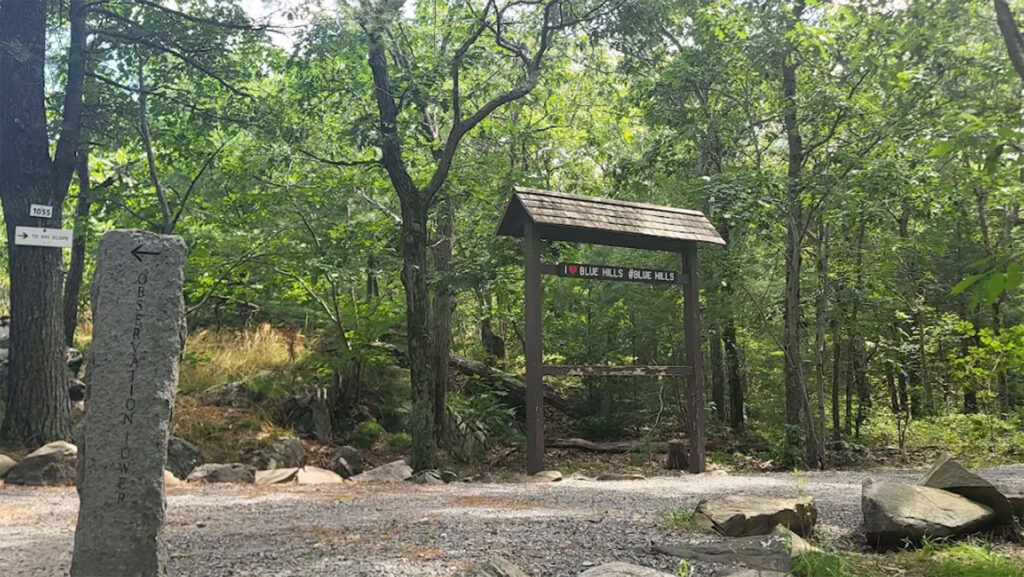
Blue Hills Reservation offers wooded trails and open space just outside central Quincy. It does not advertise sensory-friendly programming, but many families use it because the environment naturally limits stimulation. Trails are clearly marked. Children have space to move without constant redirection, and families have the flexibility to adjust plans.
Tip for Families: Weekday mornings are often quieter. Walking the same trail each visit can help build familiarity.

Libraries like Thomas Crane Public Library at North Quincy work for many families because the rules rarely change. They’re quiet and organized, low-stimulation environments. Children know what to expect when they walk in. Families can read, sit, or spend time together without pressure to participate in group activities. That predictability can help children stay regulated.
Tip for Families: Ask staff which areas tend to be the quietest. Mid-morning visits are often calmer than in the afternoons.
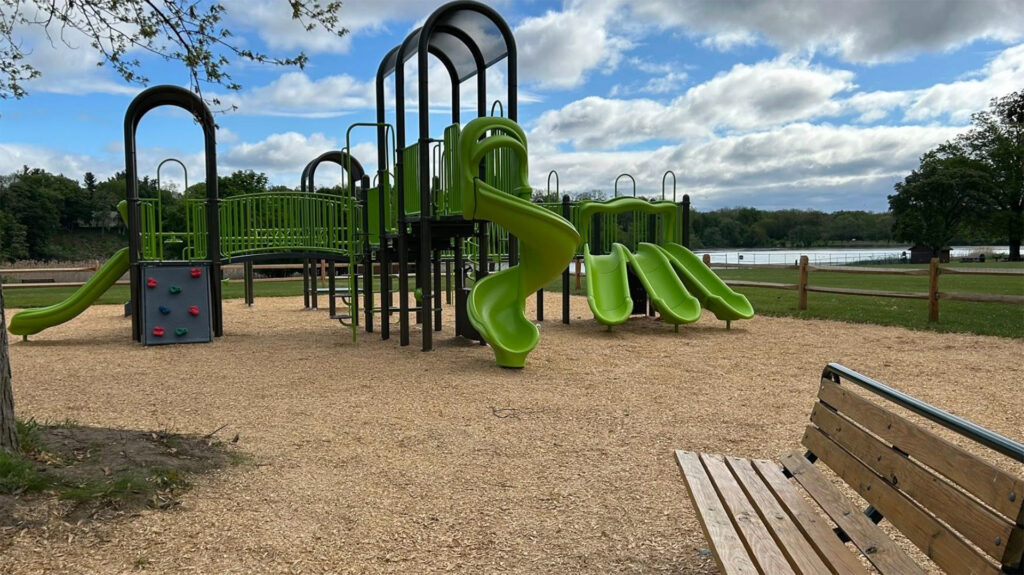
Merrymount Park is a large, open community park with simple, natural features that many families find comfortable for a low-stress outing. The park has a playground that gives children a structured play area. It is not a complex sensory playground, but it lets kids explore typical play equipment in a calm setting. It has mostly flat, paved paths that help kids who prefer rhythmic movement or need predictable spaces for walking, scooters, or wheelchairs. And it has picnic areas and shady benches that allow families to take breaks when stimulation feels too intense.
Tip for Families: It also helps to walk the park first. A slow loop lets kids see what is coming next. Families can point out quiet spots, benches, or shaded areas where they can take a break if things feel like too much.
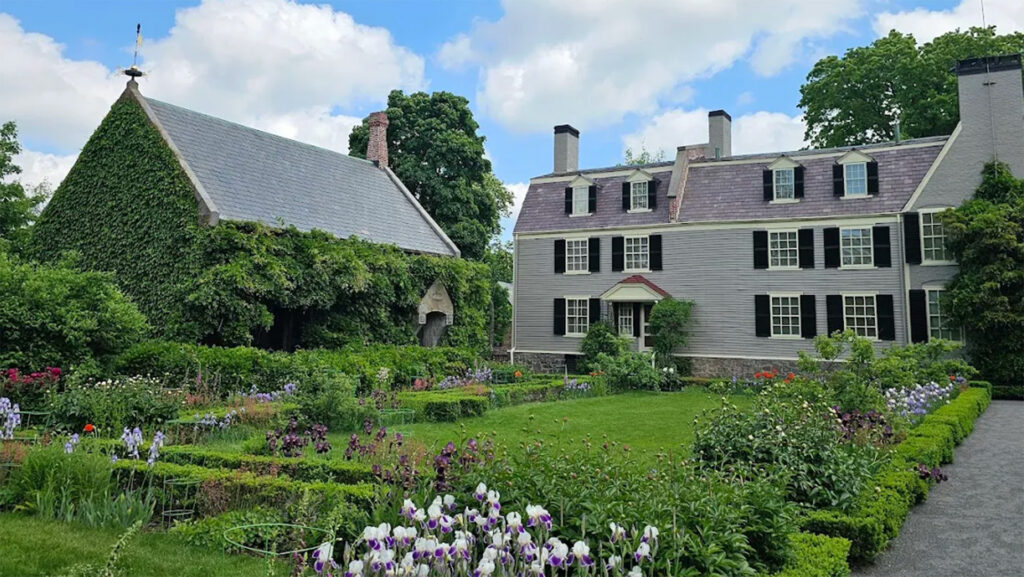
Adams National Historic Park is a historic site, not a playground. Visits center on guided house tours with a set pace and clear start and finish. The indoor spaces are usually quiet, and the outdoor grounds give families a place to pause or reset between stops. It is not labeled “sensory friendly,” but some families find the structure calming and the flow predictable.
Tip for Families: Call ahead and ask about tour timing. Rangers can tell you which tours are smaller or quieter. That can help you plan around crowds. Starting on the grounds before going inside also gives kids time to settle and decide if the house tour feels manageable.
Support goes beyond outings. Public spaces matter, and so do the routines families build at home. For easy, sensory-friendly activities to try at home, visit 5 Simple and Fun Imaginary Play Ideas. Families in Quincy and surrounding communities who are looking for additional support can turn to Behavioral Concepts (BCI), part of LEARN Behavioral. BCI uses science and data to deliver applied behavior analysis (ABA) therapy that reflects each child’s needs, interests, and personality. Learn more about how BCI tailors autism therapy for children and families at https://bciaba.com/.