5 Sensory-Friendly Spots to Visit in Quincy, Massachusetts 

For many families, getting out of the house takes more than good intentions. Noise can build faster than expected. Lighting can feel harsher once you arrive. Crowds can shift the tone of an outing before it really begins, sometimes before your child has time to settle in. 

Over time, families start to notice what helps. They look for places with room to move, a slower pace, and space to take breaks without drawing attention. These are often the places families return to, not because they promise anything special, but because their children seem calmer and more at ease there. 

In Quincy, several everyday places fit that description. They offer space without pressure and a sense of structure without rigidity, making it easier to plan outings that feel manageable and, often, enjoyable. 

Families often describe these places as “sensory friendly,” even if they are not labeled that way. Here are five places in Quincy that many families return to for that reason. 

Wollaston Beach

1. Wollaston Beach gives families room to breathe 

Wollaston Beach runs along Quincy Shore Drive with wide sidewalks and long, open views of the water. The setting stays largely the same from visit to visit. That consistency can help children who feel unsettled by sudden changes. The sound of the waves is steady, and there’s room to walk without feeling crowded. Families can decide how long to stay. Some take a short walk and head home. Others sit on a bench and watch the water. There is no single activity competing for attention. 

Tip for Families: Early mornings tend to be quieter and less busy. Short visits can help your child get comfortable with the space. 

Blue Hills Reservation

2. Blue Hills Reservation supports calm movement 

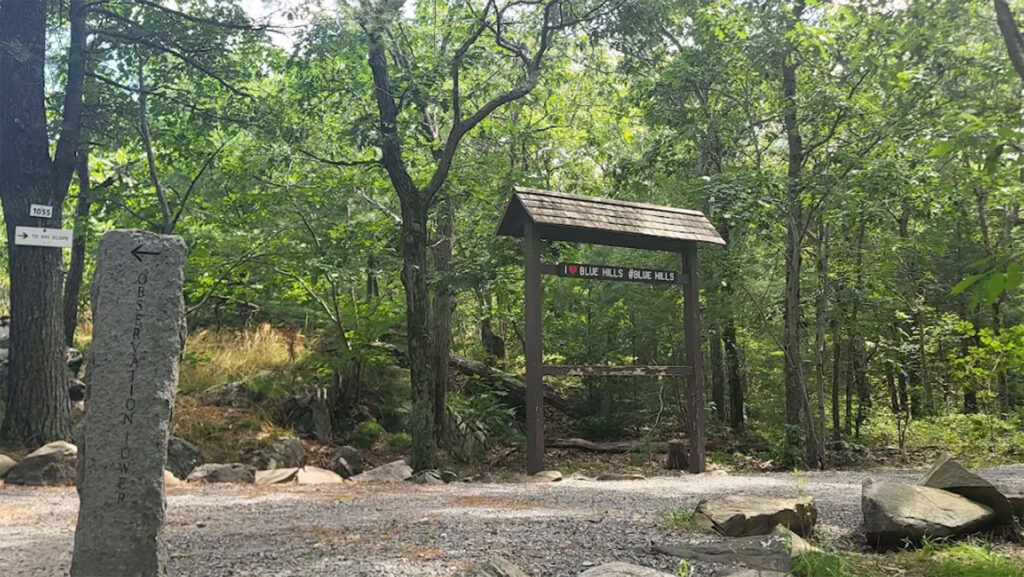
Blue Hills Reservation offers wooded trails and open space just outside central Quincy. It does not advertise sensory-friendly programming, but many families use it because the environment naturally limits stimulation. Trails are clearly marked. Children have space to move without constant redirection, and families have the flexibility to adjust plans. 

Tip for Families: Weekday mornings are often quieter. Walking the same trail each visit can help build familiarity. 

Thomas Crane Public Library

3. Thomas Crane Public Library offers predictability and quiet 

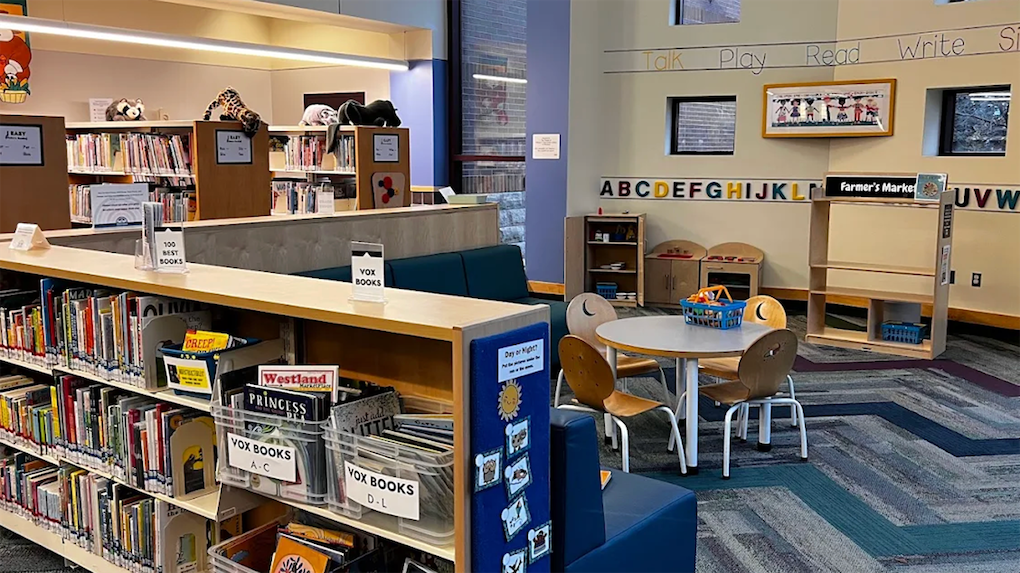
Libraries like Thomas Crane Public Library at North Quincy work for many families because the rules rarely change. They’re quiet and organized, low-stimulation environments. Children know what to expect when they walk in. Families can read, sit, or spend time together without pressure to participate in group activities. That predictability can help children stay regulated. 

Tip for Families: Ask staff which areas tend to be the quietest. Mid-morning visits are often calmer than in the afternoons. 

Merrymount Park

4. Merrymount Park works well for low-pressure outdoor time 

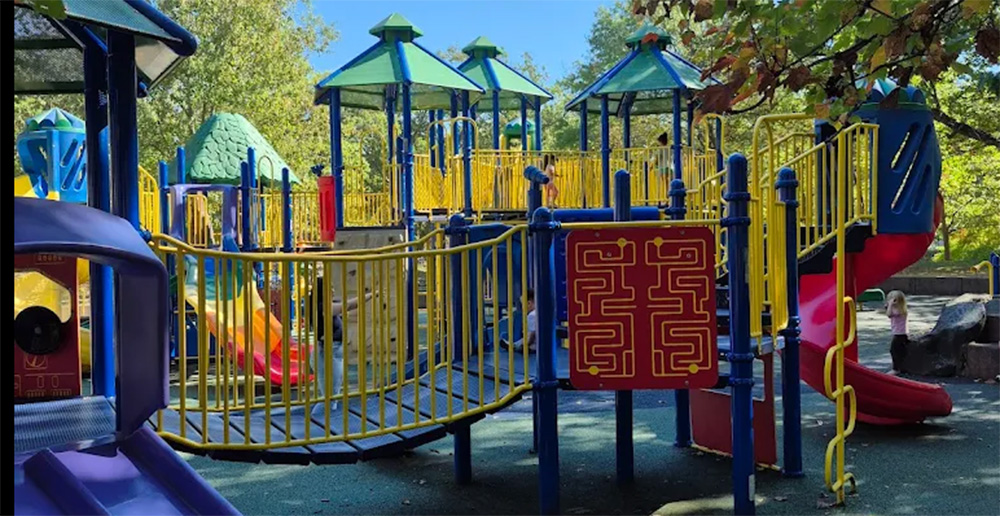
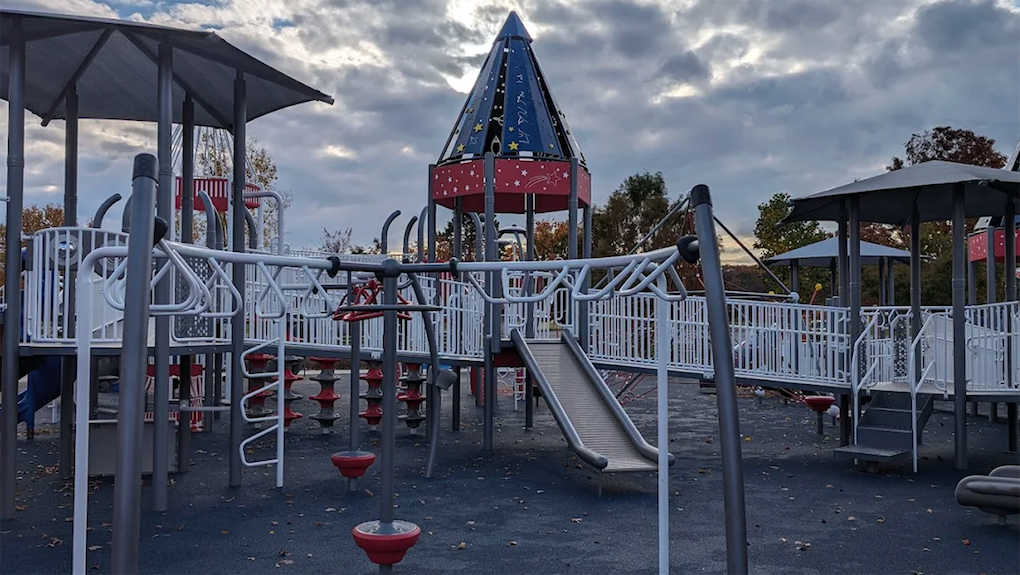
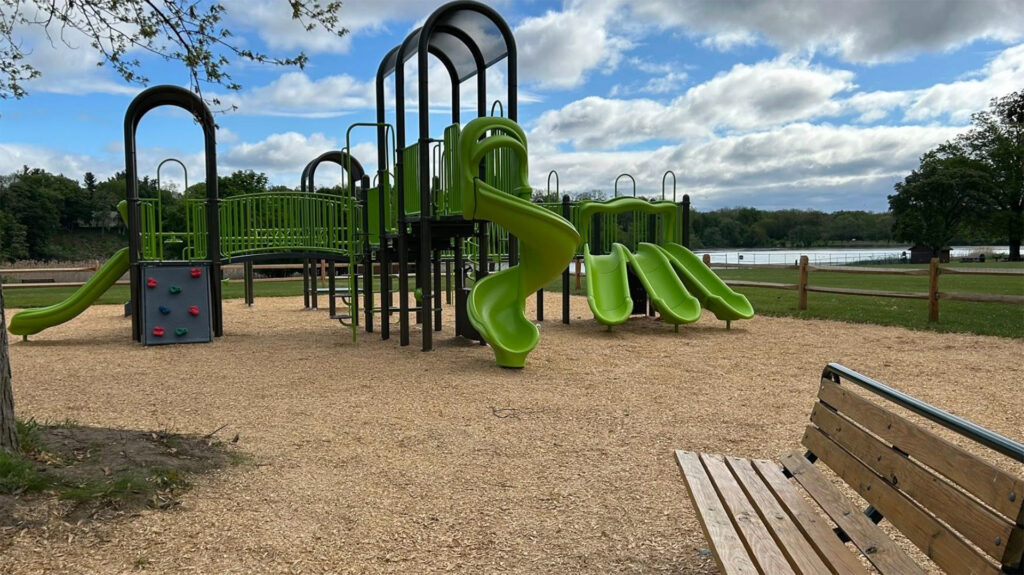
Merrymount Park is a large, open community park with simple, natural features that many families find comfortable for a low-stress outing. The park has a playground that gives children a structured play area. It is not a complex sensory playground, but it lets kids explore typical play equipment in a calm setting. It has mostly flat, paved paths that help kids who prefer rhythmic movement or need predictable spaces for walking, scooters, or wheelchairs. And it has picnic areas and shady benches that allow families to take breaks when stimulation feels too intense. 

Tip for Families: It also helps to walk the park first. A slow loop lets kids see what is coming next. Families can point out quiet spots, benches, or shaded areas where they can take a break if things feel like too much. 

Adams National Historic Park

5. Adams National Historical Park lets families set the pace 

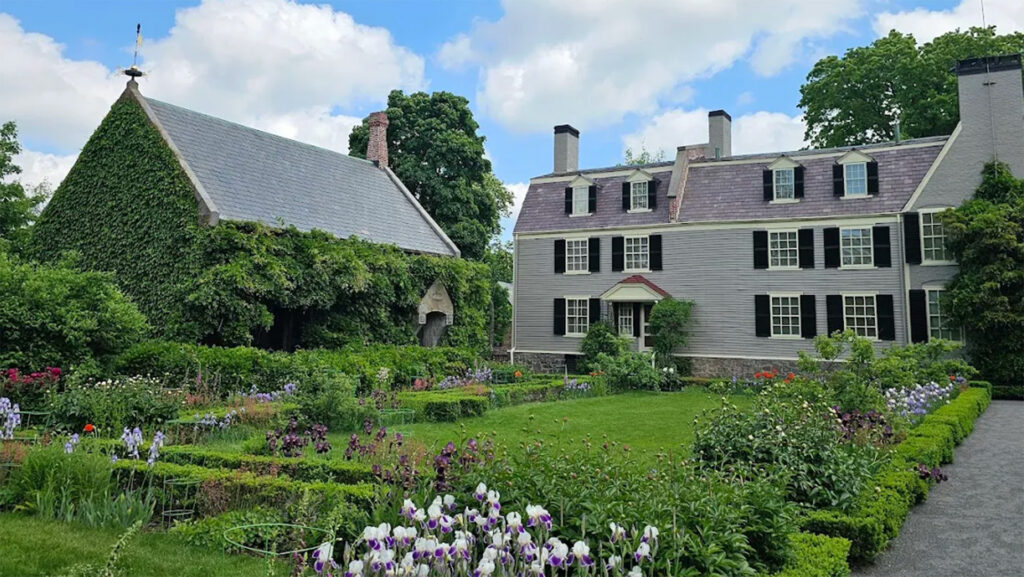
Adams National Historic Park is a historic site, not a playground. Visits center on guided house tours with a set pace and clear start and finish. The indoor spaces are usually quiet, and the outdoor grounds give families a place to pause or reset between stops. It is not labeled “sensory friendly,” but some families find the structure calming and the flow predictable. 

Tip for Families: Call ahead and ask about tour timing. Rangers can tell you which tours are smaller or quieter. That can help you plan around crowds. Starting on the grounds before going inside also gives kids time to settle and decide if the house tour feels manageable. 

Looking for more support? 

Support goes beyond outings. Public spaces matter, and so do the routines families build at home. For easy, sensory-friendly activities to try at home, visit 5 Simple and Fun Imaginary Play Ideas. Families in Quincy and surrounding communities who are looking for additional support can turn to Behavioral Concepts (BCI), part of LEARN Behavioral. BCI uses science and data to deliver applied behavior analysis (ABA) therapy that reflects each child’s needs, interests, and personality. Learn more about how BCI tailors autism therapy for children and families at https://bciaba.com/

Five Sensory-Friendly Places to Visit in and Around Norco, California

Some places are simply easier places for families to go. 

They are not perfectly quiet or empty. They just feel manageable. Noise does not build too fast. Crowds tend to spread out instead of bunching up. There is room to walk, sit, or take a break without drawing attention. Families can stay for a short time or longer, depending on how a child is doing. 

Parents of children with sensory sensitivities learn which places work by experience. They notice where outings feel calmer and where things unravel quickly. Certain locations become dependable options they can return to. 

Norco has more of these places than people often realize. Its open spaces, trail systems, and slower pace create everyday spots where families can spend time together more comfortably. 

Here are five sensory-friendly places in and around Norco that families often return to. 

1. Santa Ana River Trail gives families room to move 

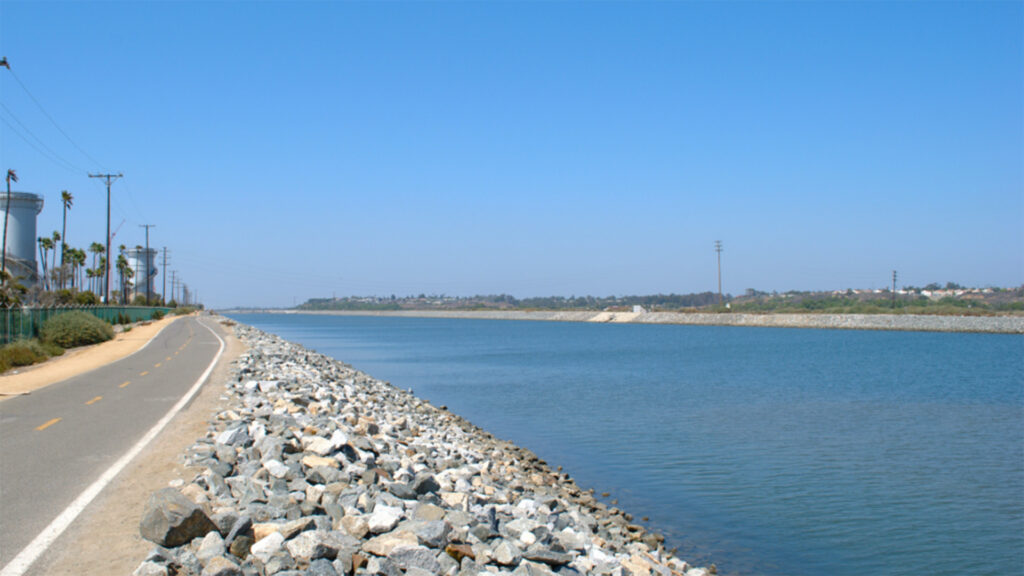
The Santa Ana River Trail runs along the edge of Norco with wide, paved paths. The trail feels open, and families can walk, use scooters, or simply sit and watch what is happening around them. Because the space does not change much from one section to the next, children can see what is coming. That consistency can make a big difference. 

Tip for families: Choose a short, familiar stretch and turn back when needed. Repeating the same section can help children feel more comfortable. 

2. The Ingalls Event Center offers laid-back ambiance  

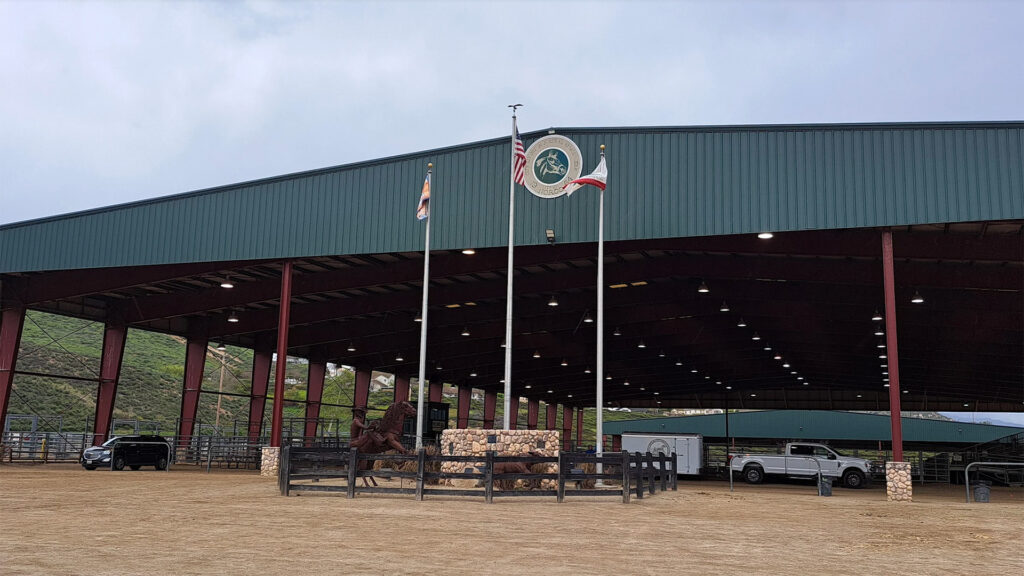
The Ingalls Event Center reflects what Norco is known for: horses, open land, and a slower rhythm. It’s an agricultural, equestrian, and animal-keeping center where the grounds are spread out. On days without large events, families often walk the perimeter or watch riders from a distance. There is plenty to see without needing to join in. 

Tip for families: Check the event calendar before you go. Non-event mornings are usually quieter. 

3. Hidden Valley Wildlife Area is good for quiet outdoor time 

The Hidden Valley Wildlife Area sits in the Norco Hills and offers dirt trails, native plants, and wide views. There are no playgrounds or scheduled activities. Families set their own pace. Children who like to look at rocks, plants, or insects often do well here. There is no pressure to move quickly or cover a certain distance. 

Tip for families: Walk the same loop each visit. Predictable paths help reduce surprises. 

4. Norco College Library offers a quiet place to pause 

The Norco College Library provides a calm, organized space with clear expectations. Lighting stays even. Voices stay low. Families can read, sit together, or take a break from busier environments. Because it is on a college campus, the library often feels less crowded than public branches, especially outside class rush times. 

Tip for families: Midmorning tends to be the quietest time. Staff can help point out less busy seating areas. 

5. Pumpkin Rock Trail lets families control the outing 

The Pumpkin Rock Trail is a popular local hike, but it also works well for flexible outings. The trail is easy to follow and open enough that families can stop, take breaks, or turn back at any point. The scenery stays fairly consistent, which helps children stay comfortable without too much sensory input. 

Tip for families: Go earlier in the day, especially in warmer months, to avoid heavier foot traffic. 

Looking for more support? 

Getting out into the community is one piece of daily life. Ongoing support can help too. 

Families in Norco and nearby communities can connect with Autism Spectrum Therapies, (AST) part of LEARN Behavioral. Autism Spectrum Therapies provides applied behavior analysis therapy that reflects each child’s needs, strengths, and personality, both at home and in the community. 

Top 5 Sensory-Friendly Places in Azusa, CA 

Planning outings for kids on the autism spectrum can require extra consideration.  

Bright lights, loud noises, and crowded spaces can sometimes trigger sensory sensitivities. 

Sensory-friendly environments are designed to minimize challenges with soft lighting, quiet areas, and steady routines. 

In Azusa, which sits at the base of California’s San Gabriel Mountains, there’s plenty of access to outdoor spaces. Many of these locations around the city offer quiet, uncrowded, and manageable settings for families with kids on the autism spectrum to explore. 

We also have a growing number of indoor spaces designed with the senses in mind. Here are five sensory-friendly places to explore in and around Azusa: 

1. Crystal Lake Recreation Area Offers a Peaceful Outdoor Escape 

About 30 minutes from Azusa, Crystal Lake Recreation Area in the Angeles National Forest provides cool mountain air, quiet trails, and the sounds of nature. Families can enjoy hiking, picnicking, and birdwatching in a calm environment away from city noise. 

Tip for Families: Visit early in the day for fewer visitors. Bring water, snacks, and layers, as the weather can change quickly in the mountains. 

2. Azusa River Wilderness Park Gives Kids Space to Explore Quietly 

Along the San Gabriel River, Azusa River Wilderness Park is a quiet green space for short walks and nature breaks. It has wide trails and open views, which can feel more comfortable for kids who prefer space and movement. 

Tip for Families: Bring a blanket for a sensory-friendly picnic. Avoid afternoons on hot days, as there is limited shade. 

3. Azusa City Library Hosts Calm and Inclusive Story Times 

The Azusa City Library offers a sensory-friendly story time called “Creating Connections.” These sessions use gentle lighting, soft voices, and simple crafts. The library also has quiet areas where kids can read or do puzzles at their own pace. 

Tip for Families: Check the library’s calendar. Midweek mornings are usually less busy. 

4. Sky Zone Covina Holds Sensory Hours 

Just 10 minutes from Azusa, Sky Zone Trampoline Park in Covina holds sensory hours with dimmer lights, lower volume, and fewer people. Kids can jump, climb, and move around in a more relaxed setting. 

Tip for Families: Sensory sessions are usually on Sunday mornings. Arrive early so your child can ease into the space. 

5. We Rock the Spectrum in Downey Was Built for Sensory-Friendly Play 

About 30 minutes from Azusa, We Rock the Spectrum in Downey is an indoor gym created for children of all abilities. It features swings, sensory toys, a calming room, and padded equipment for safe play and movement. 

Tip for Families: Call ahead to ask about open play and quiet times. Staff are familiar with sensory needs and can help make your visit easier. 

Looking for additional support for your child in Azusa, CA? At Autism Spectrum Therapies (AST), we offer applied behavior analysis (ABA) therapy tailored to your child’s unique strengths and needs. Our team uses science and compassion to help your child grow. 

Check out our LEARN Behavioral blog on 5 simple play ideas for more sensory-friendly ideas.