
New Autism Learning Center in Appleton, WI, Now Open
October 19, 2026
October 19, 2026
We’re hiring BTs, BCBAs, Clinical Psychologists & More. View open positions



The CASP Conference is the annual gathering of the Council of Autism Service Providers (CASP), an organization dedicated to maintaining and enhancing the autism services industry. Unlike research-focused ABA conferences, the CASP Conference is the only event in the field built specifically around the operational and administrative challenges of running an autism service provider organization, while maintaining clinical excellence.
Each year, the conference brings together hundreds of leaders from ABA therapy companies, including CEOs, COOs, clinical directors, and operations teams, to tackle the real-world business challenges that define the industry.
From compliance and billing to staff retention and outcomes measurement, the CASP Conference addresses the full picture of what it takes to deliver high-quality ABA services at scale.
The CASP Conference is typically held in April each year. The event rotates among major cities across the United States. Attendees are encouraged to check the official CASP events page at casproviders.org for the most current schedule, registration deadlines, and hotel booking information.
Pre-conference workshops are held on the first day of the event, running in the afternoon before the welcome reception. These half-day sessions offer deep dives into specific operational topics and are included in some registration packages.
The 2026 CASP Conference will be held April 26–28 at Mandalay Bay Resort and Casino in Las Vegas, Nevada. This year’s event is especially significant as it marks the 10th anniversary of the CASP Conference and features a full agenda of breakout sessions, keynote addresses, pre-conference workshops, and networking events, including a special Founders Gala.
Pre-conference workshops run on Sunday afternoon, April 26, from 1:00–5:00 PM, followed by a Welcome Reception from 6:00–8:00 PM. The main conference runs Monday, April 27, through Tuesday, April 28.
The 2026 CASP Conference features four dedicated pre-conference workshop tracks on Sunday, April 26:
The 2026 conference agenda includes a mix of plenary sessions and approximately 100 breakout sessions designed to facilitate collaboration in small-group settings. Featured programming includes:
The full agenda is available for download on the official CASP 2026 Conference page.
Registration is available through BehaviorLive. Early registration is encouraged, as member discount allocations are limited.
CASP is a BACB-Authorized Continuing Education (ACE) Provider. Continuing education unit (CEU) opportunities are available across conference sessions for behavior analysts looking to maintain their BACB certification. CASP also maintains an online library of more than 70 courses offering over 100 BACB CEUs, including an 8-hour supervision training, available year-round at the CASP CEU Center.
Interested in a career helping children with autism? Discover rewarding ABA career opportunities.

LEARN Behavioral participates in the CASP Conference as an active member of the autism service provider community. The LEARN team includes executive leaders, clinical directors, and operations professionals who attend the conference each year to engage with the challenges and innovations shaping the business of ABA, connect with peer organizations, and contribute to the broader conversation about quality and sustainability in autism services.
At the CASP Conference, LEARN Behavioral typically:
LEARN Behavioral’s involvement with CASP reflects its commitment not just to clinical excellence but to building a sustainable, ethical, and high-quality operation that serves children and families across the country.
The CASP Conference draws a distinct audience from most ABA conferences that is focused less on frontline clinicians and more on the people responsible for leading and operating autism service provider organizations. Attendees typically include:
While BCBAs and clinical professionals are well represented, the CASP Conference is uniquely positioned as the gathering place for the business and operational side of ABA, bringing together leaders who keep therapy organizations running so clinicians can focus on the children and families they serve.
Discover rewarding BCBA career opportunities at LEARN Behavioral.
What sets the CASP Conference apart is its focus on practical, operational content. While research and clinical evidence inform the sessions, the emphasis is on application — how to run an ABA organization ethically, efficiently, and sustainably.
The approximately 100 breakout sessions are designed to facilitate collaboration in small-group settings, with attendees from organizations of similar size and structure working through shared challenges together.
Key topics consistently covered at the CASP Conference include:
If you lead, manage, or operate an autism service provider organization, the CASP Conference offers a level of relevance and practical value that few other events in the ABA space can match. Specific reasons to attend include:
Since its founding, the CASP Conference has grown into the premier gathering for autism service provider leadership teams. With the 2026 event marking the 10th anniversary, the conference has built a track record of delivering content that is uniquely actionable for the people who run ABA organizations.
Past CASP Conference highlights include:
The Council of Autism Service Providers (CASP) was founded in 2016. Despite being a relatively young organization, it has grown rapidly into the leading trade association for ABA therapy organizations in the United States, establishing practice guidelines, accreditation programs, and state advocacy infrastructure in under a decade.
No. CASP does not offer individual memberships. Membership is open to autism service provider organizations, not individual clinicians or practitioners. For professionals interested in engaging with CASP, the organization offers affiliate programs for businesses and allied organizations that support the autism services industry, as well as university affiliate options for training programs.
The Autism Commission on Quality (ACQ) is an independent accrediting body established by CASP. It evaluates and accredits autism service provider organizations against a defined set of quality standards, helping families identify providers committed to evidence-based, high-quality care. ACQ accreditation is a growing topic at the CASP Conference, with a dedicated accreditation workshop offered at the 2026 pre-conference. Organizations pursuing or maintaining ACQ accreditation will find the CASP Conference a valuable resource for staying up to date on accreditation requirements.
In addition to its annual conference, CASP hosts the DC Fly-In, which is an annual advocacy event in Washington, D.C., where provider leaders meet directly with lawmakers and policymakers to advance legislative priorities affecting autism services. CASP also hosts webinars, offers a CEU library with more than 70 courses, and produces PodCASP, a podcast covering topics in autism services, policy, and ABA practice.
The CASP Conference Ally Program is an initiative designed to support attendees who may feel uncomfortable navigating a large in-person conference on their own. CASP is committed to creating a safe, inclusive space for all attendees regardless of race, ethnicity, gender, sexual orientation, or disability. Allies are available to accompany or support attendees throughout the event. Information on the program is available through the official CASP event registration materials.
The CASP DC Fly-In is CASP’s annual advocacy event held in Washington, D.C., where ABA provider organization leaders travel to meet with members of Congress and their staff to advocate for policies that support access to ABA services, fair Medicaid reimbursement, and regulatory clarity for the autism services industry. It is a separate event from the annual CASP Conference and typically takes place earlier in the year.
Yes. While CASP member organizations receive significant registration discounts, including 50% off a set number of registrations based on membership tier, the CASP Conference is open to non-members as well. ABA therapy companies, autism service providers, and business affiliates from across the industry are welcome to register and attend regardless of membership status.
ABAI and CalABA are primarily focused on the science and clinical practice of behavior analysis, drawing researchers, practitioners, and educators across the full ABA field. The CASP Conference is uniquely focused on the business and operational side of autism service delivery, making it the go-to event for the people who lead and run ABA organizations rather than those who primarily deliver direct clinical services.
The WIBA Conference, short for Women in Behavior Analysis, is the only annual conference in the ABA field dedicated to empowering, celebrating, and mentoring women in behavior analysis and highlighting their contributions to the discipline. Founded in 2017, WIBA has grown into one of the most distinctive and community-driven events on the ABA conference calendar.
Each year, the WIBA Conference brings together BCBAs, researchers, educators, students, and allies from across the behavior analysis community to engage in meaningful dialogue on gender equality, professional development, mentorship, and the advancement of the field.
What sets WIBA apart is its dual purpose: to advance behavior analysis as a science and to actively address the underrepresentation and underrecognition of women within it. The conference is open to all genders and is designed to be an inclusive forum where every attendee, whether a seasoned clinician, a graduate student, or an organizational leader, feels seen, supported, and inspired.
The WIBA Conference is typically held each summer, most often in July. The event rotates among cities across the United States. Attendees are encouraged to check the official WIBA events page for the most current schedule, registration details, and hotel booking information.
WIBA is offered as a hybrid event, with both in-person attendance and a live virtual stream available each year. On-demand access is also included, allowing attendees to engage with sessions at their own pace after the event.
The 9th Annual WIBA Conference will be held July 15–17, 2026, at the Sheraton Grand Chicago Riverwalk in Chicago, Illinois. The conference is a hybrid event, offering both in-person attendance and a full virtual livestream for those who cannot travel.
This year’s program will highlight prominent women in behavior analysis while addressing the importance of gender equality and diversity within the field. Through engaging presentations, meaningful discussions, and structured opportunities for connection, the 2026 WIBA Conference creates space for learning, leadership, and shared progress.
The 2026 WIBA Conference is hosted at the Sheraton Grand Chicago Riverwalk in Chicago, Illinois. The WIBA discounted room rate is available through June 20, 2026. Rooms are expected to sell out, and early booking is strongly recommended. A hotel booking link is provided through the official registration process at thewiba.com.
Registration is available both in-person and online. Registration tiers are offered at the same price and include on-demand access and continuing education units (CEUs).
WIBA offers both CEUs and professional development units (PDUs) with all registration packages. CEU and PDU access is included for both in-person and virtual attendees, as well as through on-demand viewing after the conference.
Discover rewarding BCBA career opportunities at LEARN Behavioral.
LEARN Behavioral participates in the WIBA Conference as a supporter of professional development and community in the ABA field. The LEARN team attends the conference each year to engage with the conversations shaping the future of behavior analysis, particularly those focused on mentorship, leadership, and inclusion, and to connect with the talented clinicians and researchers who make up the WIBA community.
At the WIBA Conference, LEARN Behavioral typically:
LEARN Behavioral’s participation in WIBA reflects its belief that a stronger, more equitable field of behavior analysis is better for the professionals who work in it and the children and families they serve.
The WIBA Conference draws a wide and diverse audience united by a shared interest in advancing behavior analysis and championing equity within the field. Attendees typically include:
While WIBA was founded to address the specific experience of women in behavior analysis, the conference is explicitly open to and welcoming of attendees of all genders. Allies play an important role in the WIBA community, and the conference is designed to foster dialogue that benefits the entire field.
Interested in a career helping children with autism? Discover rewarding ABA career opportunities.
The WIBA Conference program spans clinical science, professional development, and social dialogue, with presentations, workshops, poster sessions, and mentoring opportunities woven throughout the schedule. Presentations are selected through a blind review process, and all invited speakers receive equal compensation; there are no keynote hierarchies at WIBA.
Key topics consistently featured at the WIBA Conference include:
Whether you are an experienced BCBA, a graduate student just entering the field, or a clinical leader at an ABA organization, the WIBA Conference offers something that no other ABA event does. Specific reasons to attend include:
Since its inaugural conference in 2017, WIBA has grown from a grassroots gathering into one of the most impactful and widely attended events in the ABA calendar. Over nearly a decade, it has accumulated more than 4,000 in-person and online attendees, 648 presentations, 453 presenters, and 85 mentorship sessions.
No. While WIBA was founded to highlight the accomplishments of women in behavior analysis and address gender equity in the field, the conference is explicitly open to attendees of all genders. Allies play a central role in the WIBA community, and the conference welcomes anyone committed to advancing gender equality and inclusive practice in behavior analysis.
WIBA was founded in 2017 by Devon Sundberg, MS, BCBA, and Kimberly Zoder-Martell, PhD, BCBA-D. The idea originated while both were involved in organizing a state-level ABA conference and recognized the lack of female representation among invited speakers at ABA events. The inaugural WIBA Conference was held that year to highlight women’s accomplishments in the field and create space for mentorship and gender equity dialogue.
WIBA was co-founded by Devon Sundberg, MS, BCBA, and Kimberly Zoder-Martell, PhD, BCBA-D. Devon Sundberg serves as Executive Director and Conference Director. Janet Lund, PhD, BCBA-D, currently leads the organization, and WIBA’s Advisory Board includes Linda LeBlanc, PhD, BCBA-D, Chata Dickson, PhD, BCBA-D, Patricia Wright, PhD, BCBA-D, Adrienne Bradley, MEd, BCBA, and Bruce Tinor, PhD, BCBA.
The WIBA Hall of Fame was established in 2021 to honor women who have made outstanding contributions to the field of behavior analysis, particularly those whose work has been historically overlooked or underrecognized. Inductees are selected annually and recognized at the WIBA Conference. The inaugural Hall of Fame class included Eve Segal, Bea Barrett, Martha Bernal, and Judith Favell. Induction profiles are published annually in the journal Behavior Analysis in Practice.
WIBA Skool is WIBA’s year-round online community platform where behavior analysts, students, and allies can stay connected between annual conferences. It functions as a private professional community (without ads) where members can share resources, engage in discussions, and maintain the momentum and connections built at the WIBA Conference. WIBA Skool is separate from and complementary to the annual in-person and virtual event.
Yes. WIBA offers scholarships designed to reduce financial barriers and make the conference more accessible to professionals who might otherwise not be able to attend. Scholarship opportunities are announced through WIBA’s official channels. The organization is committed to expanding access to underrepresented professionals and prioritizes inclusion in its scholarship and speaker selection processes.
WIBA provides both continuing education units (CEUs) and professional development units (PDUs) as part of all registration packages. This makes WIBA one of the few ABA conferences to offer PDUs alongside BACB-relevant CEUs, extending its value to a broader range of professionals in education, leadership, and adjacent fields. CEUs and PDUs are available to both in-person and virtual attendees, as well as to those who view on-demand sessions.
ABAI and CalABA are broad-scope conferences covering the full range of behavior analysis science, research, and clinical practice. WIBA has a distinct and focused mission: advancing gender equity in behavior analysis, mentoring women and early career professionals, and recognizing the historic and ongoing contributions of women in the field. It is the only ABA conference where gender equity and women’s leadership are central to the entire program, not just a track or a session, but the organizing principle of the event itself.
The MassABA Annual Conference is the flagship event of the Massachusetts Association for Applied Behavior Analysis (MassABA), a trade organization representing the interests of behavior analysts across the Commonwealth. Founded in 2010, MassABA is an affiliated chapter of the Association for Behavior Analysis International (ABAI) and is dedicated to providing educational opportunities and advocacy for professionals who provide behavior-analytic services in any capacity.
Each year, the MassABA Annual Conference brings together behavior analysts, educators, researchers, and ABA service providers from across Massachusetts and beyond for a full day of professional development, continuing education, and community. The conference is the signature connection between MassABA and its more than 1,100 members — and has historically drawn over 700 participants.
Massachusetts is home to one of the highest concentrations of certified behavior analysts per capita in the world, with more than 4,500 BACB-certificants in the Commonwealth. The MassABA Annual Conference reflects the depth of the professional community, offering a focused, content-rich event that speaks directly to the issues shaping ABA practice in Massachusetts.
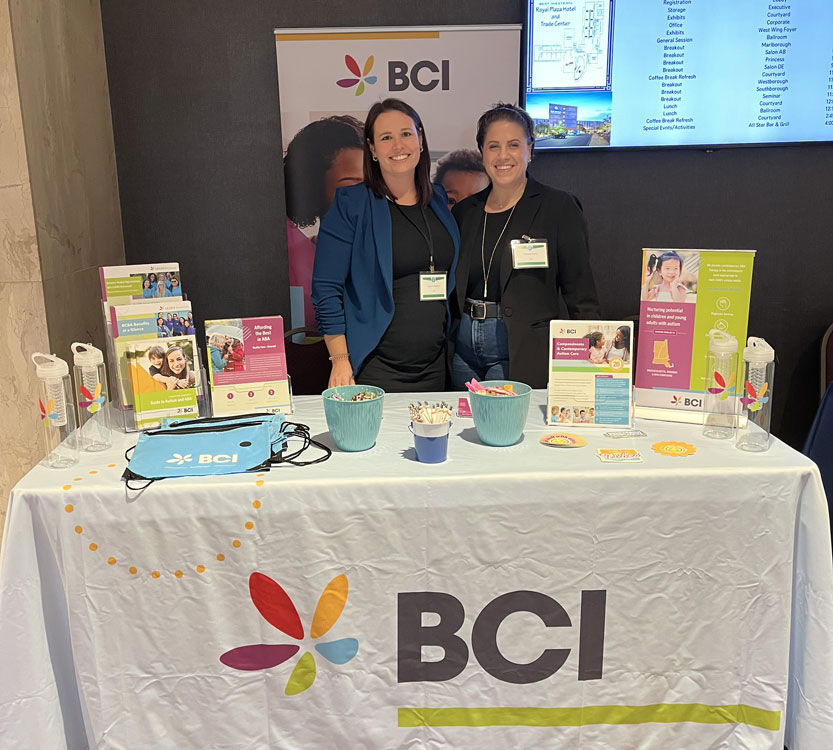
The MassABA Annual Conference is typically held each spring, most often in May. The event is generally held at the Best Western Royal Plaza Hotel and Trade Center in Marlborough, Massachusetts, a centrally located venue accessible from Boston and across the Commonwealth.
Attendees are encouraged to check the official MassABA events page for the most current schedule and registration details.
Discover rewarding BCBA career opportunities at LEARN Behavioral.
LEARN Behavioral participates in the MassABA Annual Conference as part of its commitment to the behavior analysis community in Massachusetts and the broader New England region. The LEARN team attends the conference each year to engage with the clinical, legislative, and professional issues shaping ABA practice in the Commonwealth, connect with fellow providers, and contribute to the community of behavior analysts who serve children and families across Massachusetts.
At the MassABA Annual Conference, LEARN Behavioral typically:
LEARN Behavioral’s involvement in the MassABA Annual Conference reflects its commitment to being an active, contributing member of the behavior analysis community in every state where it operates — not just a service provider, but a genuine participant in the professional ecosystem.
The MassABA Annual Conference draws a broad cross-section of the Massachusetts behavior analysis community. Attendees typically include:
MassABA’s membership structure includes full members (licensed applied behavior analysts in Massachusetts), associate members (practitioners from other states, related professionals, and family or community members), and student members, making the conference welcoming to professionals at every stage of their career.
Interested in a career helping children with autism? Discover rewarding ABA career opportunities.
What makes the MassABA Annual Conference distinct from broader national events is its grounding in the specific legislative, regulatory, and clinical realities of practicing behavior analysis in Massachusetts. Sessions consistently address the issues that matter most to BCBAs and ABA organizations operating in the Commonwealth.
Key topics consistently featured at the MassABA Annual Conference include:
Past featured presenters have included nationally recognized figures such as Dr. Robert Horner, Alumni-Knight Endowed Professor of Special Education, alongside Massachusetts-based clinicians and policy experts who have addressed the most pressing issues facing local practitioners.
For behavior analysts and ABA professionals practicing in Massachusetts, the MassABA Annual Conference offers a level of local relevance and practical applicability that broad national conferences cannot replicate. Specific reasons to attend include:
Since its founding in 2010, MassABA has built a track record of delivering a high-quality annual conference that addresses the issues facing behavior analysts in Massachusetts. Consistently drawing more than 700 attendees, the conference has evolved alongside the Commonwealth’s ABA community.
Past MassABA Annual Conference highlights include:
MassABA, the Massachusetts Association for Applied Behavior Analysis, is a trade organization founded in 2010 to represent the interests of behavior analysts in Massachusetts.
It is an affiliated chapter of the Association for Behavior Analysis International (ABAI) and serves more than 1,100 members across the Commonwealth. MassABA advocates on legislative and insurance issues, supports professional development, and hosts an annual conference as the centerpiece of its membership community.
Both MassABA and BABAT (Massachusetts Professionals in Behavior Analysis) are Massachusetts-based ABA organizations, but they serve distinct purposes. Many Massachusetts behavior analysts are members of both organizations. The MassABA Annual Conference is typically a single-day spring event, while BABAT’s conference spans multiple days in the fall.
MassABA functions as a trade organization focused on advocacy, licensure, and insurance policy — representing behavior analysts’ professional and regulatory interests at the state level. BABAT operates as a chapter-based professional community with a broader clinical and research focus, hosting a multi-day annual conference each fall.
LABA stands for Licensed Applied Behavior Analyst. It is the state license required to practice behavior analysis in Massachusetts. MassABA has been a leading advocate for strengthening the LABA licensure process in the Commonwealth, including ongoing efforts to establish an independent licensing board comprised exclusively of behavior analysts, rather than a multi-disciplinary board.
The MassABA Annual Conference regularly includes sessions covering licensure updates, and MassABA works directly with state legislators on ABA-related bills.
Yes. MassABA is an affiliated chapter of the Association for Behavior Analysis International (ABAI), the world’s largest professional organization dedicated to the science and practice of behavior analysis.
This affiliation reflects MassABA’s commitment to upholding the standards and values of the broader behavior analysis field while addressing the specific needs of behavior analysts practicing in Massachusetts.
MassABA offers three membership levels. Full membership is available to licensed applied behavior analysts (LABAs) in Massachusetts. Associate membership is open to practicing behavior analysts who are not licensed in Massachusetts, professionals from related fields, and family or community members.
Student membership is available for undergraduate or graduate students enrolled in ABA or related programs and is offered at a nominal annual fee. Organizations providing ABA services can become MassABA Organizational Sponsors and receive benefits, including discounted employee registrations for the annual conference and exhibitor access.
MassABA’s Public School Committee focuses specifically on the needs of BCBAs working in Massachusetts public school districts — one of the most complex and rapidly growing practice contexts in the state.
The committee partners with ACCEPT Collaborative to host a monthly Professional Practices Symposium for behavior analysts working in public schools, running throughout the school year.
The annual conference includes dedicated sessions addressing the unique challenges facing school-based BCBAs across the Commonwealth, including supervision structures, Individualized Education Plan (IEP) collaboration, and ethical practice in educational settings.
MassABA has been an active advocate for expanding and protecting insurance coverage for ABA services in Massachusetts. The organization has worked to inform its membership about ABA insurance mandate laws, the provider’s evolving role in the insurance landscape, and how to navigate audits, recoupments, and claim denials.
It has also collaborated with state insurance representatives, BABAT, and other stakeholders to push for timely reimbursement and fair coverage standards. The annual conference regularly features sessions on insurance policy and compliance in response to member needs.
The ABAI Annual Convention is a global event covering the full breadth of behavior analysis science and practice across dozens of countries. BABAT’s conference is a multi-day regional event with a strong clinical and research focus, held each fall in Massachusetts.
The MassABA Annual Conference is a single-day spring event with a distinctly Massachusetts-centric lens, prioritizing licensure updates, state insurance policy, public school ABA, and advocacy for the Commonwealth’s behavior analyst community. It is the most locally focused ABA conference available to Massachusetts practitioners.
BABAT originally stood for the Bay State Association for Behavior Analysis and Therapy, founded in 1979. Today, the organization is called Massachusetts Professionals in Behavior Analysis, but it continues to use the acronym BABAT and hosts the annual BABAT Conference.
The BABAT Conference, also known as the BABAT ABA Conference, (ABA stands for applied behavior analysis), is the most visible event. For more than four decades, it has brought together thousands of attendees to learn, share research, and collaborate on ABA. It is one of the most established behavior analysis conferences in the United States.
The annual conference reflects BABAT’s broader mission: to support professional growth, influence public policy, and expand the reach of ABA in Massachusetts and beyond.
The 2025 BABAT Conference, officially called the Reach Conference, will be held October 15-17 at the DCU Center, 50 Foster St., in Worcester, Massachusetts.
Registration for the 2025 BABAT Conference is through BehaviorLive, with options including early bird pricing, member and nonmember rates, student discounts, and continuing education unit (CEU) add-ons.
Recent BABAT conferences have used hybrid formats for in-person and virtual attendees. In 2024, participants joined sessions online, earned continuing education units (CEUs) remotely, and accessed recordings through BehaviorLive. The format allows students and practitioners outside Massachusetts to take part without traveling.
Worcester is central in Massachusetts, close to Boston, Providence, and Hartford. Hotels near the DCU Center offer conference rates, so book early. The venue is on the MBTA Commuter Rail, and parking is available.
The BABAT Conference draws:
Graduate students gain opportunities to present posters, receive mentoring, and network. Practitioners can stay current with best practices, licensing updates, and insurance policies in Massachusetts.
Exhibitors are an important part of the BABAT Conference experience. Past exhibitors have included:
Exhibitors often sponsor sessions or provide networking events. Conference participants can connect directly with vendors, explore new resources, and learn about employment opportunities.
The BABAT Conference features invited speakers, symposia, panel discussions, workshops, and poster sessions. Programs balance applied, conceptual, and translational behavior analysis.
BABAT is a Behavior Analyst Certification Board–approved CEU provider. Sessions indicate when CEUs are available, and BehaviorLive tracks participation for in-person and virtual attendees.
For more than 40 years, BABAT has advanced professional practice, supported students, and advocated for ABA in Massachusetts. It is recognized as one of the leading regional ABA conferences in the United States.
LEARN Behavioral participates in the BABAT Conference as an exhibitor and sponsor. Our team connects with behavior analysts, students, and researchers to share resources, career opportunities, and continuing education.
At the conference, LEARN Behavioral often:
For anyone interested in behavior analysis, tips for making the most of the conference include:
An annual meeting of Massachusetts Professionals in Behavior Analysis (BABAT) focused on applied behavior analysis (ABA).
BABAT originally stood for the Bay State Association for Behavior Analysis and Therapy, a professional association founded in 1979. Today, the organization is called Massachusetts Professionals in Behavior Analysis. It supports applied behavior analysis (ABA) practice, research, and advocacy.
When is the BABAT Conference 2025?
October 15-17 in Worcester, Massachusetts.
BCBAs, BCaBAs, graduate students, faculty, clinicians, supervisors, and companies working in behavior analysis.
Sessions cover autism intervention, interfering behavior assessment, appropriate behavior development, ethics, staff training, sustainability, diversity, and policy issues.
What is contemporary ABA and how does this person-centered approach help children with
autism find success?
The CalABA Conference is the annual meeting of the California Association for Behavior Analysis (CalABA). It is one of the premier events for professionals in the field of applied behavior analysis (ABA) and is sponsored by CalABA, a nonprofit founded in 1998.
The annual meeting brings together thousands of behavior analysts, educators, researchers, and service providers to discuss best practices, share research findings, and advance the field of ABA, particularly as it relates to autism services.CalABA’s mission is to promote the science and practice of behavior analysis through education, research, and advocacy (CalABA Official Site). The annual conference supports this mission by fostering collaboration and continuing education.
The CalABA Conference is typically held each year between February and March. Dates vary slightly year to year. Attendees are encouraged to check the official CalABA events page for the most current schedule and location details.
The CalABA Conference draws a diverse audience of:
Historically, companies that provide ABA therapy services for children with autism send teams to participate, recruit talent, and showcase their innovations. Some exhibitors include assessment tool publishers, technology firms, and universities with ABA programs.
The CalABA Conference agenda is rich with presentations, workshops, and symposia covering topics such as:
Attendees can earn continuing education units (CEUs) to maintain professional certifications.
For more on how ABA helps children with autism, visit our blog: How ABA Helps Build Communication Skills.
Past CalABA Conferences have featured notable keynote speakers such as Linda LeBlanc, who holds a doctorate in psychology, and Gregory Hanley, a behavioral psychologist and BCBA-D.
Highlights include:
LEARN Behavioral typically hosts an exhibitor booth where attendees can meet clinical leaders, ask questions, and learn about LEARN’s personalized approach to ABA. The team often includes BCBAs and doctoral-level clinicians who share real-life case examples and practical strategies used in LEARN’s work with children and families across California. LEARN also offers continuing education sessions, giving behavior analysts a chance to earn CEUs while engaging with current research and best practices. The booth serves as both an educational and networking space for professionals in the field.
Anyone invested in the practice, research, or application of behavior analysis can benefit. Specific reasons to attend include:
To learn about careers in ABA, visit our page: Careers in ABA.
Dates can vary, so check calaba.org for updates.
The conference is open to anyone interested in behavior analysis, including BCBAs, RBTs, educators, students, and family advocates.
Registration fees vary by membership status, student status, and how early you register. Discounts are often available for early registration and CalABA members.
Yes. Attendees can earn CEUs for attending designated sessions, which are crucial for maintaining BACB certification.
The location rotates among major California cities such as Anaheim, Los Angeles, and San Diego.
What is contemporary ABA and how does this person-centered approach help children with
autism find success?