5 Sensory-Friendly Spots in and Around Roxbury, Massachusetts 

Families who have a child with autism or sensory sensitivities often learn to read a place before they ever walk through the door. They notice the lighting in a lobby, the sound level in a waiting area, and whether there is space to step away when things feel too big, too loud, or too fast. 

In and around Roxbury and Greater Boston, some museums, parks, libraries, and community spaces have started thinking about those details more carefully. They might have a quieter morning hour or a staff member who understands that some children need time and flexibility to feel comfortable. 

For many families, those changes can make it easier to say yes to an outing. 

Here are five sensory-friendly places families in and around Roxbury may want to explore. 
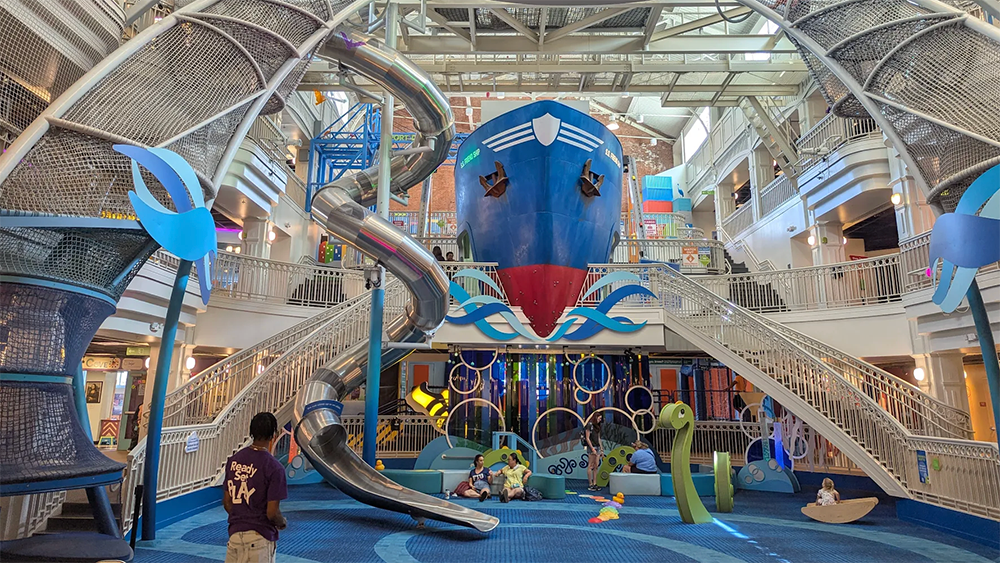
1. Boston Children’s Museum Creates Room for Flexible Play 

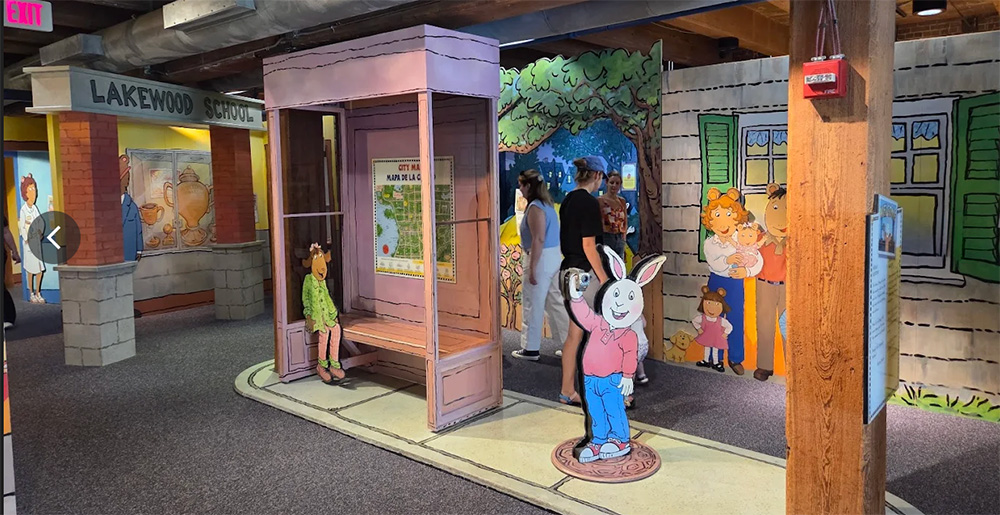
Boston Children’s Museum offers sensory-friendly accommodations and hands-on exhibits that let children explore at their own pace. The museum provides social narratives, sensory-friendly resources, and quieter spaces that can help families prepare before visiting. Large exhibits spread across multiple floors, which also makes it easier to move away from busy areas when needed. 

Tip for families: Start on the upper floors early in the day before field trip groups arrive. Bringing headphones can also help during busier afternoon hours. 
2. Franklin Park Gives Kids Space to Move 

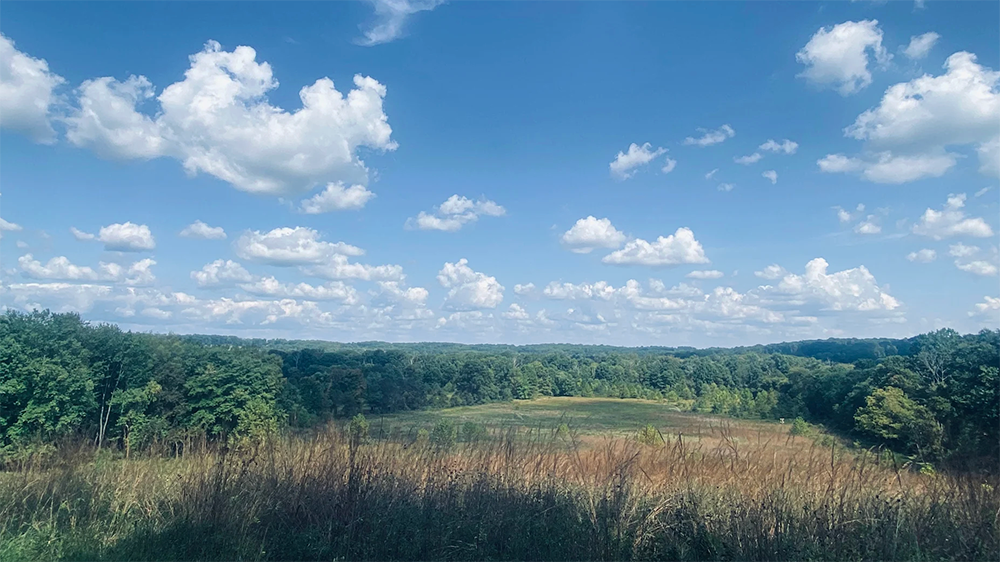
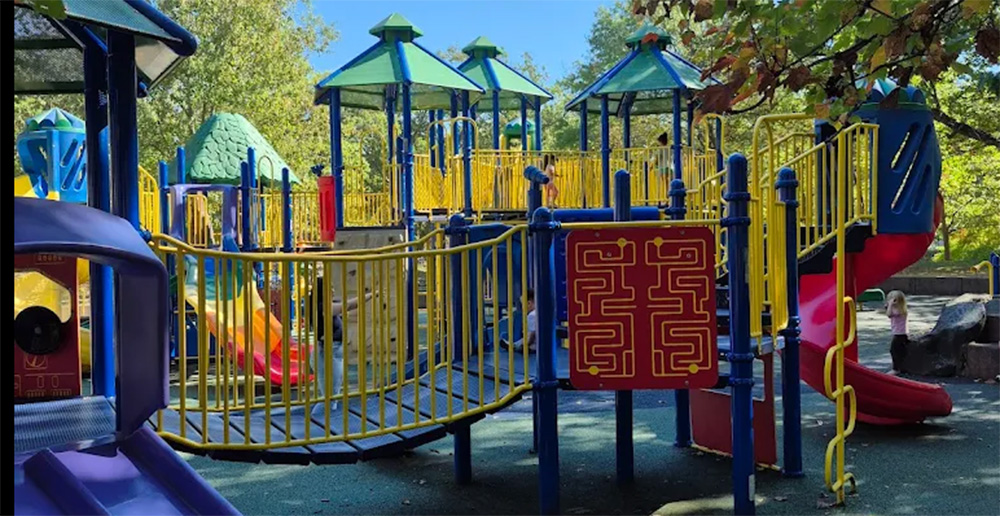
Franklin Park, located partly within Roxbury, offers something many indoor attractions cannot — room to spread out. It’s Boston’s largest open space, and families can walk through wooded trails, visit open fields, or spend time near the playgrounds without feeling boxed in by crowds or noise. The park’s size makes it easier for children to reset and regulate between activities. 

Tip for families: Use shorter walking loops near the Playstead or Scarboro Pond if your child does better with predictable routes and visual landmarks. 
3. Museum of Science Hosts Sensory-Friendly Programs 

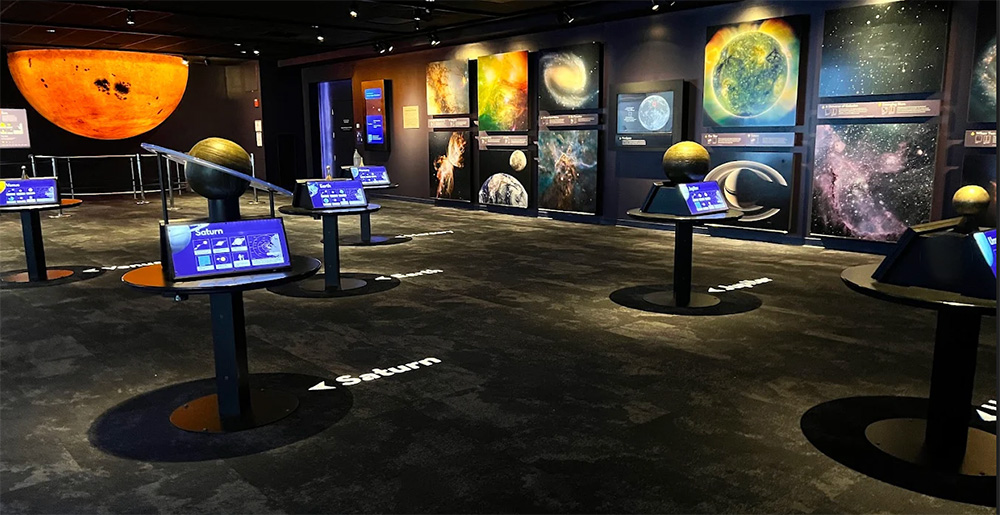
The Museum of Science in Boston offers accessibility resources and sensory-aware programming, including adjusted planetarium experiences and visitor guidance for families navigating sensory sensitivities. Staff provide information about louder exhibits and high-stimulation areas before families enter them. 

Tip for families: Skip the Theater of Electricity during peak hours if your child is sensitive to sudden sound. The exhibit can be intense even for some adults. 

4. Boston Public Library Offers Quiet Corners and Predictable Spaces 

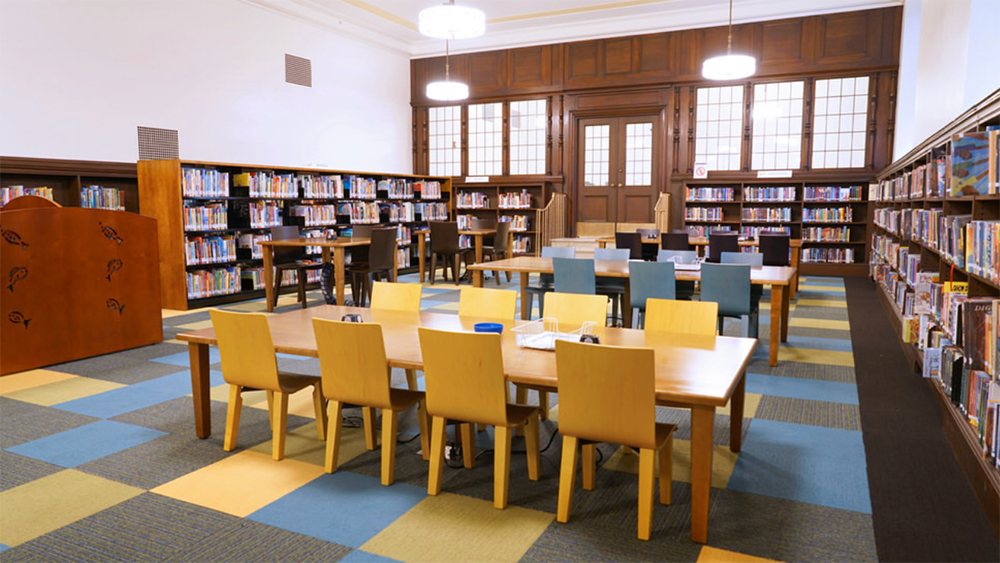
The Boston Public Library’s Central Library in Copley Square gives families a calmer indoor option, especially during colder months or rainy weekends. Wide hallways, quieter reading areas, and flexible children’s spaces allow kids to move without constant pressure to stay still or silent. 

Tip for families: Visit during weekday mornings when the children’s areas tend to feel calmer and easier to navigate. 

5. Franklin Park Zoo Balances Activity With Space to Step Away 

Franklin Park Zoo can feel more manageable than larger destination zoos because families can move at their own pace and take breaks outdoors throughout the visit. Some indoor exhibits are louder than others, but shaded walking paths and open seating areas provide places to regroup. The zoo also appears on several regional sensory-friendly resource guides. 

Tip for families: Arrive close to opening time and begin with the outdoor exhibits before crowds build later in the day. 

Support Is Close to Home 

Finding places that feel manageable can help families spend more time together in the community and less time worrying about how their child will respond to a new environment. 

Looking for additional support for your child in Roxbury, Massachusetts? Behavioral Concepts (BCI), part of LEARN Behavioral, works with families across the Roxbury and Greater Boston area to help children build communication, social, and daily living skills that support everyday life at home, in school, and in the community. Learn more about BCI’s services and contact us today.   

5 Sensory-Friendly Spots in and Around Greenfield, Wisconsin 

Families who have a child with autism or other developmental needs often learn quickly that a successful outing depends on more than picking the right destination. Noise levels, crowded spaces, lighting, transitions, and even parking can shape how manageable a day feels. 

Around Greenfield, some places have become reliable Wisconsin stops for families because they offer something harder to find than entertainment alone: flexibility, space to regroup, and staff who understand that children experience environments differently. 

A sensory-friendly outing does not have to be silent or perfectly calm. Many families simply look for places where children can move at their own pace without constant pressure or overstimulation. 

Here are five sensory-friendly spots in and around Greenfield that families may want to explore. 

1. Wehr Nature Center Offers Quiet Trails and Gentle Exploration 

Inside Whitnall Park, Wehr Nature Center gives families a quieter alternative to busier attractions. Short walking trails, nature exhibits, and wooded surroundings create a slower pace that can feel easier for children who become overwhelmed in louder environments. Indoor exhibits are small enough to navigate without feeling crowded. 

Tip for families: Start with the accessible boardwalk trail near the visitor center before branching onto longer paths. The shorter route helps many children settle into the environment gradually. 

2. Greenfield Public Library Creates Predictable Spaces 

Greenfield Public Library offers a calm indoor setting with flexible children’s areas, reading nooks, and family programming throughout the year. Libraries can work especially well for children who prefer structured spaces with clear expectations and quieter sound levels. 

Tip for families: Visit during weekday mornings when the children’s section is usually quiet. 

3. Betty Brinn Children’s Museum Hosts Sensory-Friendly Sessions 

About 20 minutes from Greenfield, Betty Brinn Children’s Museum in Milwaukee regularly offers sensory-friendly play sessions with adjusted sound and lighting levels. The museum also provides hands-on exhibits designed for different learning and play styles. 

Tip for families: Review the museum map before arriving and choose two or three exhibits to focus on first. Smaller goals can make visits feel more manageable for children who become overwhelmed by large spaces. 

4. Milwaukee County Zoo Gives Families Room to Reset 

Milwaukee County Zoo has wide walking paths, shaded seating areas, theaters, learning zones, a jungle gym, and plenty of areas to spread out. 

Tip for families: Begin with outdoor habitats early in the morning before crowds build. Indoor exhibits tend to feel louder and busier later in the day. 

5. Marcus Theatres Offers Sensory-Friendly Screenings 

Several Marcus Theatres locations near Greenfield participate in sensory-friendly movie programs with lower sound levels and dimmed lighting. Children can move around more freely during the movie, which can make theater visits feel less stressful for many families. 

Tip for families: Bring familiar snacks or comfort items if allowed and consider sitting near the aisle so your child can take movement breaks without disrupting the experience. 

Support Is Close to Home 

Finding places where children feel comfortable can help families spend more time together in the community and less time worrying about how an outing will go. 

Wisconsin Early Autism Project (WEAP) and Total Spectrum, part of LEARN Behavioral, work with families across Greenfield and nearby Milwaukee communities to help children build communication, social, and daily living skills that support everyday life. If you are looking for support in the Greenfield area, WEAP and Total Spectrum are here to help you take the next step.   

5 Sensory-Friendly Activities in Baltimore

Baltimore offers families many ways to explore museums, nature, and community spaces. For children with sensory sensitivities, the right setting can make a big difference. Quiet spaces, predictable environments, and opportunities for movement can help children feel comfortable while they learn and play. 

Across Baltimore and surrounding communities in Maryland, families can find places that offer flexible experiences. Some provide dedicated sensory-friendly hours. Others offer calm outdoor settings or interactive exhibits that children can explore at their own pace. 

Here are five sensory-friendly activities families in the Baltimore area often enjoy. 

1. Explore Interactive Exhibits at the Maryland Science Center 

The Maryland Science Center sits along Baltimore’s Inner Harbor and gives children many ways to explore science through hands-on play. Three floors of exhibits invite kids to test ideas, build structures, and experiment with motion, energy, and the human body. The center also includes one of the region’s largest planetariums and a rooftop observatory used during special events. Many exhibits encourage open-ended discovery. Children can spin giant gears, experiment with water flow, or test simple machines while families move through the museum at their own pace. 

Tip for families: Start on the upper exhibit floors and work your way down. These areas often feel quieter than the busy first-floor entrance and lobby. 

2. Kids Play and Create at the Port Discovery Children’s Museum 

The Port Discovery Children’s Museum offers interactive spaces designed for young children to learn through play. Exhibits focus on art, building, storytelling, and physical movement. Children can climb the multistory SkyClimber, create projects in hands-on maker areas, and move between themed play spaces that encourage imagination and exploration.  

Families can spend time in one area or move through the museum at a comfortable pace. The museum also schedules sensory-friendly play sessions during select times of the year. During these events, staff reduce lighting and sound levels and limit attendance so families can experience the exhibits in a calmer setting. 

Tip for families: Visit the smaller themed exhibit rooms if your child prefers quieter activities instead of the large central climbing structure. 

3. Visit Animals at the Maryland Zoo 

The Maryland Zoo in Baltimore sits inside historic Druid Hill Park and ranks among the oldest zoos in the United States. Families often begin at Penguin Coast, where African penguins swim and dive in a large open habitat. Nearby exhibits feature giraffes, zebras, and ostriches sharing the same outdoor environment. Throughout the day, zookeepers host short animal talks where children can watch feedings and learn about animal care. 

Tip for families: Check the daily schedule for penguin or giraffe talks. These short programs give children a chance to see the animals during feeding time 

4. Discover Wildlife at the Irvine Nature Center 

The Irvine Nature Center in Owings Mills spans more than 200 acres of forests, meadows, and wetlands where children can observe wildlife and explore nature at their own pace. Inside the center, families can see live animal exhibits that feature native species such as turtles, snakes, and birds of prey. Outside, trails lead through fields and wooded areas where visitors often spot butterflies, frogs, and other local wildlife. 

Tip for families: Start at the indoor exhibits before heading outside. Seeing the animals first often helps children stay engaged during a short nature walk. 

5. Read and Relax at the Enoch Pratt Free Library 

The Enoch Pratt Free Library system began in 1882 when Baltimore merchant Enoch Pratt created one of the nation’s first large free public library systems. Today, the central branch downtown includes a large children’s department where families can browse books, read together, and explore learning displays designed for young visitors. The library also hosts frequent family programs such as storytimes, science demonstrations, and author events that introduce children to new ideas in a calm setting. 

Tip for families: Visit the central branch children’s department, which often sets up rotating activity tables with puzzles, crafts, or simple learning games. 

Sensory-Friendly Experiences in Baltimore 

Many of these destinations also host sensory-friendly events or quieter programming during certain times of the year.  

If you are looking for additional support in Baltimore, Trellis offers applied behavior analysis (ABA) therapy for children with autism. Our clinical teams partner with families to build communication, social, and daily living skills that help children succeed at home, in school, and in the community. 

5 Sensory-Friendly Places in Woodbridge, Virginia

Woodbridge sits along the Potomac River, just outside Washington, D.C., but much of daily life happens at a slower pace. There are waterfront views, wooded trails, libraries, and community spaces that give families room to spread out. 

For children with autism and other sensory differences, the environment matters. Sound, light, crowds, and unpredictability can sometimes shift a calm outing into a stressful one.  

Sensory-friendly spaces tend to share a few traits. They offer structure. They allow for movement. They provide clear sight lines and easy exits. Most of all, they give families options. 

Here are five places in Woodbridge that many families find more manageable. 

1. Leesylvania State Park offers waterfront space and wooded trails 

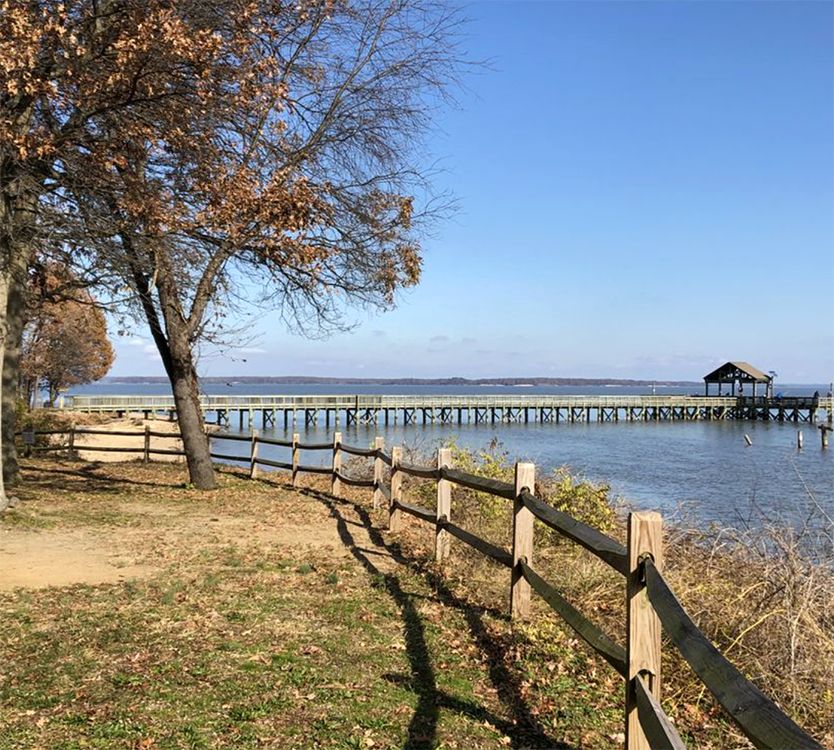
Leesylvania State Park stretches along the Potomac River, with wooded trails, open picnic areas, and broad views of the water. The park’s layout makes it easy to choose a quiet spot away from busier sections. Families can walk at their own pace, pause near the shoreline, or settle at a picnic table under the trees. 

Tip for Families: Start with a short, predictable walk, and identify a shaded rest area ahead of time. Having a clear stopping point can help the outing feel structured. 

2. Potomac Mills provides indoor options with flexible pacing 

Potomac Mills is one of the largest outlet malls in Virginia, but its wide corridors and multiple entrances allow families to control how they move through the space. Visiting during weekday mornings often means fewer crowds and lower noise levels. For some children, walking a predictable loop indoors can feel regulating, especially in hot or cold weather. 

Tip for Families: Park near a specific entrance, and keep the visit short and goal-oriented. A clear plan, such as visiting one or two stores, can prevent sensory overload. 

3. Chinn Park Regional Library maintains a calm and structured environment 

Chinn Park Regional Library offers clearly defined spaces and consistent expectations around noise and comfortable reading areas. The children’s section provides room to browse, sit, and participate in scheduled programs. 

Tip for Families: Visit during non-peak hours, such as weekday mornings. Ask staff about quieter programs or sensory-friendly story times. 

4. Veterans Memorial Park offers open fields and simple play structures 

Veterans Memorial Park features open grassy fields, a playground, and walking paths. The layout gives families options to be in the play area or step back to a quieter edge of the field. 

Tip for Families: Identify a calm spot to play when you arrive. 

5. Occoquan Bay National Wildlife Refuge creates a quiet, nature-based outing 

Occoquan Bay National Wildlife Refuge offers flat walking paths, wide skies, and long views across the water. The environment is calm, with predictable sensory features such as wind, birds, and water. 

Tip for Families: Keep the first visit brief and choose a single trail. A simple route with a clear start and end point can make the experience feel manageable. 

Looking for Support in Woodbridge? 

SPARKS ABA provides evidence-based applied behavior analysis (ABA) therapy for children and families in and around Woodbridge. If you have questions about a child’s development or about available services, our team is ready to help with the next steps. 

5 Sensory-Friendly Things to Do Near Roseville, MI 

For families of children with autism and other developmental needs, choosing places to go for fun outings often means looking for spaces that are quieter, less crowded, and easy to navigate. Those kinds of environments can keep kids comfortable and engaged without too much sensory input. 

Sensory-friendly spaces can support that. Some offer structured programs with smaller groups and adjusted sound or lighting. Others are simply calm, predictable places where families can move at their own pace and take breaks when needed. 

In and around Roseville, Michigan families have options. These five spots, all within a short drive, offer a mix of indoor and outdoor settings that work well for lower-stimulation outings. 

1. Huron Park offers open space

Huron Park has a simple layout with a large, open greenspace and a playground. The park feels manageable, and families can shift between the playground and open grass without long transitions or crowded pathways. It also has a walking track, bike trail, ballfields, a fitness court, an inline skate area, picnic areas with shelters, tables, grills, and restrooms. 

Tips for families: Walk the space once before your child starts playing so they can see where everything is. Bring a familiar toy or snack to help with transitions between activities. 

2. Clinton-Macomb Public Library – South Branch provides a quiet setting 

The South Branch of the Clinton-Macomb Public Library offers a structured, low-pressure environment with a well-organized children’s area. Visits can be brief and flexible, and staff can help guide families to quieter corners or simple activities. 

Tips for families: Start with a short visit, and leave before your child gets overwhelmed. Let your child choose one activity so the outing feels predictable. 

3. St. Clair Shores Public Library offers a calm visit 

A short drive from Roseville, St. Clair Shores Public Library provides another steady option for a low-stimulation outing, with a children’s section designed for browsing and quiet activity. The space supports short, focused visits, which can help families avoid overstimulation while still giving children a chance to engage. 

Tips for families: Set a simple goal, like picking out one or two books. Build a routine by visiting the same section each time. 

4. St. Clair Shores Civic Arena offers structured indoor activity 

St. Clair Shores Civic Arena offers public ice-skating sessions in a controlled, predictable environment. The space is contained, the activity is repetitive, and families can move at their own pace, which can work well for children who benefit from routine and clear boundaries. Sessions vary in size and noise level, but earlier or less busy times tend to feel more manageable. The structure of skating, with a clear start and stop, can also help children understand what to expect. 

Tips for families: Check the public skate schedule so you can choose a quieter session. Bring familiar gear or take breaks as needed to keep the experience comfortable. 

5. Lake St. Clair Metropark offers room to move 

Lake St. Clair Metropark gives families access to wide paths, water views, and enough space to spread out, which can help reduce sensory overload. Even on busier days, the size of the park makes it possible to find quieter areas, and the clear layout helps keep the experience predictable. 

Tips for families: Choose one small area of the park instead of trying to see everything. Bring comfort items like headphones or a favorite object for breaks. 

Support for Families in Roseville 

For families in Roseville, finding the right places to go is one part of helping a child build comfort and confidence in the community. Total Spectrum supports children and families through applied behavior analysis (ABA) therapy and related services that focus on communication, daily living skills, and routines. If you are looking for support in the Roseville area, Total Spectrum is here to help you take the next step. 

Five Sensory-Friendly Places to Visit in and Around Norco, California

Some places are simply easier places for families to go. 

They are not perfectly quiet or empty. They just feel manageable. Noise does not build too fast. Crowds tend to spread out instead of bunching up. There is room to walk, sit, or take a break without drawing attention. Families can stay for a short time or longer, depending on how a child is doing. 

Parents of children with sensory sensitivities learn which places work by experience. They notice where outings feel calmer and where things unravel quickly. Certain locations become dependable options they can return to. 

Norco has more of these places than people often realize. Its open spaces, trail systems, and slower pace create everyday spots where families can spend time together more comfortably. 

Here are five sensory-friendly places in and around Norco that families often return to. 

1. Santa Ana River Trail gives families room to move 

The Santa Ana River Trail runs along the edge of Norco with wide, paved paths. The trail feels open, and families can walk, use scooters, or simply sit and watch what is happening around them. Because the space does not change much from one section to the next, children can see what is coming. That consistency can make a big difference. 

Tip for families: Choose a short, familiar stretch and turn back when needed. Repeating the same section can help children feel more comfortable. 

2. The Ingalls Event Center offers laid-back ambiance  

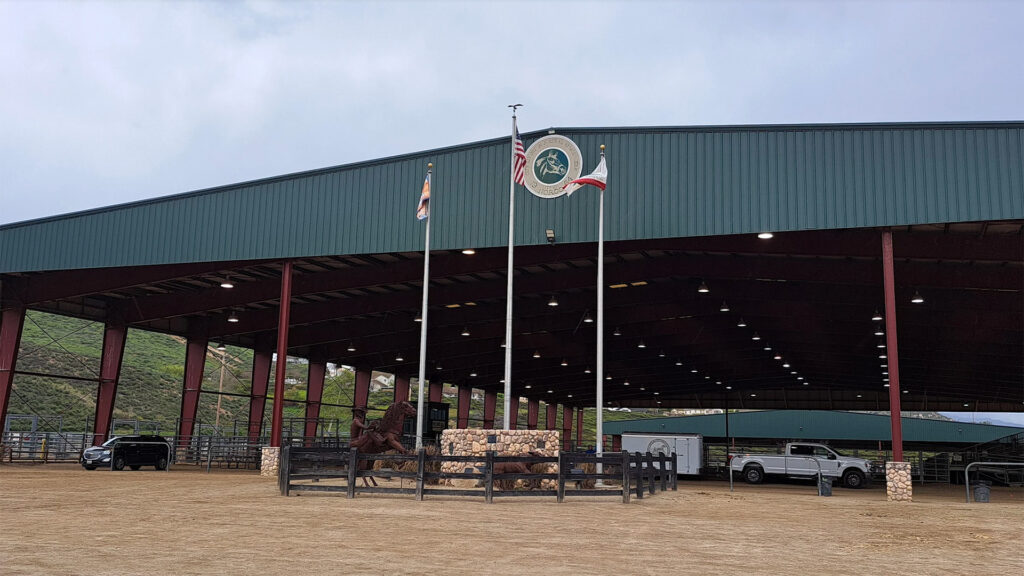
The Ingalls Event Center reflects what Norco is known for: horses, open land, and a slower rhythm. It’s an agricultural, equestrian, and animal-keeping center where the grounds are spread out. On days without large events, families often walk the perimeter or watch riders from a distance. There is plenty to see without needing to join in. 

Tip for families: Check the event calendar before you go. Non-event mornings are usually quieter. 

3. Hidden Valley Wildlife Area is good for quiet outdoor time 

The Hidden Valley Wildlife Area sits in the Norco Hills and offers dirt trails, native plants, and wide views. There are no playgrounds or scheduled activities. Families set their own pace. Children who like to look at rocks, plants, or insects often do well here. There is no pressure to move quickly or cover a certain distance. 

Tip for families: Walk the same loop each visit. Predictable paths help reduce surprises. 

4. Norco College Library offers a quiet place to pause 

The Norco College Library provides a calm, organized space with clear expectations. Lighting stays even. Voices stay low. Families can read, sit together, or take a break from busier environments. Because it is on a college campus, the library often feels less crowded than public branches, especially outside class rush times. 

Tip for families: Midmorning tends to be the quietest time. Staff can help point out less busy seating areas. 

5. Pumpkin Rock Trail lets families control the outing 

The Pumpkin Rock Trail is a popular local hike, but it also works well for flexible outings. The trail is easy to follow and open enough that families can stop, take breaks, or turn back at any point. The scenery stays fairly consistent, which helps children stay comfortable without too much sensory input. 

Tip for families: Go earlier in the day, especially in warmer months, to avoid heavier foot traffic. 

Looking for more support? 

Getting out into the community is one piece of daily life. Ongoing support can help too. 

Families in Norco and nearby communities can connect with Autism Spectrum Therapies, (AST) part of LEARN Behavioral. Autism Spectrum Therapies provides applied behavior analysis therapy that reflects each child’s needs, strengths, and personality, both at home and in the community. 

5 Sensory-Friendly Places for Kids in Green Bay, Wisconsin

For children with autism or sensory processing differences, new places can come with challenges. Bright lights, loud sounds, and unpredictable environments sometimes lead to sensory overload. A simple trip to the movies or a museum can quickly become overwhelming. 

Across the country, communities are working to change that. More public spaces are designing experiences that support a wider range of needs. That includes quiet rooms, calm lighting, smaller crowds, and flexible environments that help children feel safe and supported. 

Green Bay, Wisconsin, is part of this shift. Families here are finding more choices when it comes to outings that consider sensory needs. Museums, libraries, and activity centers are offering spaces and programs built with those needs in mind. 

Here are five sensory-friendly places to explore in and around Green Bay. 

1. Neville Museum Hosts Quiet, Inclusive Days 

Neville Public Museum collaborates with the Autism Society of Greater Wisconsin to offer sensory-friendly sessions. During these events, lights are dimmed, sounds are reduced, and crowds are smaller.  

Tip for Families: Check the museum’s website or Facebook page for upcoming sensory-friendly dates. Staff can point you toward quiet zones if needed. 

2. Railroad Museum Offers Low-Stimulus Mornings 

The National Railroad Museum in Ashwaubenon sometimes hosts sensory-friendly mornings with quieter exhibits and fewer guests. These sessions let kids explore at their own pace, without high-volume sounds or flashing displays. 

Tip for Families: Call ahead to ask when the next sensory-friendly day is scheduled. Bring headphones if your child is sensitive to train sounds. 

3. Children’s Museum Sets Aside Time for Calmer Play 

The Children’s Museum of Green Bay hosts sensory-friendly playtimes. These events include soft lighting, quieter music, and fewer visitors, allowing children to enjoy hands-on activities without the overwhelm. 

Tip for Families: Check the museum’s website or social media for updates on sensory-friendly hours. Bringing a comfort item from home can help ease transitions. 

4. Recharge in the Sensory Hideaway at The Adventure Zone 

The Adventure Zone is a fully inclusive indoor play space designed for kids of all abilities. It features a Sensory Hideaway for children who need a break, along with an accessible treehouse, sensory maze, and wheelchair-friendly paths. The space was created by You Belong, a local nonprofit, to provide opportunities for active, imaginative play in a supportive setting. 

Tip for Families: Visit during weekday hours for a quieter experience and explore the sensory room early in your visit in case your child wants to return to it. 

5. The Sensory Club Builds a Space for Regulation and Play 

The Sensory Club – Green Bay is a membership-based gym created for kids and adults with sensory needs. It includes swings, crash pads, padded equipment, and calming rooms for breaks or regulation. 

Tip for Families: Day passes are available. Reach out to staff before your first visit to learn what to expect and what to bring. 

Local Support Matters 

These five places reflect a national effort to create public spaces that welcome all families. In Green Bay and across the country, more organizations are embracing the idea that accessibility includes sensory needs. 

If your child could benefit from autism support in Green Bay, Wisconsin Early Autism Project (WEAP) provides applied behavior analysis (ABA) therapy tailored to each child’s goals. WEAP’s experienced team partners with families to help children build skills and confidence. 

5 Sensory-Friendly Spots to Visit in Chula Vista, CA 

Sometimes, busy or noisy places can feel overwhelming for children who process sights and sounds differently. That’s where sensory-friendly spaces come in.  

These settings are designed to feel calmer and more flexible. They may turn down the volume, soften the lighting, or simply offer extra room so families can take things at their own pace. 

In Chula Vista, there are several spots designed with these things in mind. Here are five sensory-friendly places to visit around the city. 

1. Have Some Hands-On Fun at the Living Coast Discovery Center 

The Living Coast Discovery Center is a small zoo and aquarium located right on San Diego Bay. Families can see sea turtles, stingrays, and shorebirds in a quieter, more contained environment than larger zoos. The center also offers nature trails and outdoor spaces, giving kids room to explore at their own pace. 

Tip for Families: Weekday mornings are usually the least crowded. Check the calendar for special sensory-friendly events or call ahead about accommodations. 

2. Explore Nature at Otay Valley Regional Park 

If your child enjoys open spaces, Otay Valley Regional Park offers miles of peaceful trails, shaded picnic areas, and quiet spots to connect with nature. The wide paths make it easy for strollers or wheelchairs, and the slower pace of the park makes it a good option for sensory-sensitive kids. 

Tip for Families: Bring water, as services are limited. Morning visits provide cooler temperatures and fewer visitors. 

3. Read and Recharge at Chula Vista Public Library 

The Chula Vista Public Library  offers a calm, welcoming atmosphere with cozy seating and a dedicated children’s area. Check the calendar to see which branches provide inclusive story times or sensory-friendly programs. 

Tip for Families: Ask at the desk about any sensory kits, quiet areas, or upcoming events that may be helpful for your child. 

4. Explore the Waterfront at Bayside Park 

Along the waterfront, Bayside Park features wide open lawns, calm bay views, and shaded picnic tables. The slower pace of the park makes it a good place for unstructured play, kite flying, or simply watching the boats. 

Tip for Families: Visit in the morning or on weekdays for the quietest experience and cooler weather. 

5. Go for a Walk at Mountain Hawk Park 

Mountain Hawk Park sits near Otay Lake and offers open fields, walking paths, and shaded areas for family picnics. The park is spread out enough to allow kids to play freely without feeling crowded. The natural setting also makes it a peaceful retreat. 

Tip for Families: Afternoons are warmer and busier, so plan your visit earlier in the day for a calmer atmosphere. 

Check out our LEARN Behavioral blog on 5 simple play ideas for more sensory-friendly inspiration. 

Looking for additional support for your child in Chula Vista, CA? At Autism Spectrum Services (AST), part of LEARN Behavioral, we use science and data to deliver contemporary applied behavior analysis (ABA) therapy, tailored to your child’s unique needs, interests, and personality. Learn more about our services in the Chula Vista area and contact us today. 

Autism Spectrum Therapies announces Free Sensory-Friendly Halloween-Themed Events in Menifee, Riverside, and Victorville

Families throughout the region are invited to free sensory-friendly “Trunk or Treat” and “Trick or Treat” events at Autism Spectrum Therapies (AST) in Menifee, Riverside, and Victorville.

  • Friday, October 17, 2025, from 4:30-6 p.m., a Trunk-or-Treat event will be held at AST’s Riverside ABA Learning Center, 6235 River Crest Drive, Suite O/P, Riverside, CA 92507.
  • Friday, October 17, 2025, from 3-5 p.m., a Trunk-or-Treat event will be held at AST’s Victorville ABA Learning Center, 15450 W Sand Street, Victorville, CA 92392.
  • Friday, October 24, 2025, from 4-6 p.m., a Trick-or-Treat event will be held at AST’s Menifee ABA Learning Center, 29950 Haun Road, Menifee, CA 92586.

AST’s Halloween-themed events bring families together for sweet treats and smiles in a supportive environment. Events are free and open to the public.

Inland Empire ABA Learning Centers

AST, part of the LEARN Behavioral network, is one of the nation’s leading providers of compassionate autism care. AST is a premiere contemporary applied behavior analysis (ABA) provider of center-based autism services for children and adolescents. The three Inland Empire ABA Learning Centers provide center-based, in-home, and school-based ABA therapy, Social Skills Programs, and parent education.

The Menifee, Riverside, and Victorville locations opened earlier this year and provide ABA therapy, which includes a learning-rich environment, unique play-based learning spaces, and one-on-one support. There’s no waitlist at these locations, and flexible treatment hours accommodate busy family schedules.

For more information or to enroll a child, call (866) 727-8274 or visit https://autismtherapies.com/locations/inland-empire

About LEARN Behavioral

LEARN Behavioral is a national leader in autism treatment, offering comprehensive diagnostic services and contemporary applied behavior analysis (ABA) therapy for children with autism spectrum disorder (ASD). With a nationwide network of ABA providers and more than 100 Learning Centers across the country, LEARN delivers the highest standard of evidence-based care—customized to meet the unique needs and interests of each child and family. For more information, visit learnbehavioral.com.

Top 5 Sensory-Friendly Places in Azusa, CA 

Planning outings for kids on the autism spectrum can require extra consideration.  

Bright lights, loud noises, and crowded spaces can sometimes trigger sensory sensitivities. 

Sensory-friendly environments are designed to minimize challenges with soft lighting, quiet areas, and steady routines. 

In Azusa, which sits at the base of California’s San Gabriel Mountains, there’s plenty of access to outdoor spaces. Many of these locations around the city offer quiet, uncrowded, and manageable settings for families with kids on the autism spectrum to explore. 

We also have a growing number of indoor spaces designed with the senses in mind. Here are five sensory-friendly places to explore in and around Azusa: 

1. Crystal Lake Recreation Area Offers a Peaceful Outdoor Escape 

About 30 minutes from Azusa, Crystal Lake Recreation Area in the Angeles National Forest provides cool mountain air, quiet trails, and the sounds of nature. Families can enjoy hiking, picnicking, and birdwatching in a calm environment away from city noise. 

Tip for Families: Visit early in the day for fewer visitors. Bring water, snacks, and layers, as the weather can change quickly in the mountains. 

2. Azusa River Wilderness Park Gives Kids Space to Explore Quietly 

Along the San Gabriel River, Azusa River Wilderness Park is a quiet green space for short walks and nature breaks. It has wide trails and open views, which can feel more comfortable for kids who prefer space and movement. 

Tip for Families: Bring a blanket for a sensory-friendly picnic. Avoid afternoons on hot days, as there is limited shade. 

3. Azusa City Library Hosts Calm and Inclusive Story Times 

The Azusa City Library offers a sensory-friendly story time called “Creating Connections.” These sessions use gentle lighting, soft voices, and simple crafts. The library also has quiet areas where kids can read or do puzzles at their own pace. 

Tip for Families: Check the library’s calendar. Midweek mornings are usually less busy. 

4. Sky Zone Covina Holds Sensory Hours 

Just 10 minutes from Azusa, Sky Zone Trampoline Park in Covina holds sensory hours with dimmer lights, lower volume, and fewer people. Kids can jump, climb, and move around in a more relaxed setting. 

Tip for Families: Sensory sessions are usually on Sunday mornings. Arrive early so your child can ease into the space. 

5. We Rock the Spectrum in Downey Was Built for Sensory-Friendly Play 

About 30 minutes from Azusa, We Rock the Spectrum in Downey is an indoor gym created for children of all abilities. It features swings, sensory toys, a calming room, and padded equipment for safe play and movement. 

Tip for Families: Call ahead to ask about open play and quiet times. Staff are familiar with sensory needs and can help make your visit easier. 

Looking for additional support for your child in Azusa, CA? At Autism Spectrum Therapies (AST), we offer applied behavior analysis (ABA) therapy tailored to your child’s unique strengths and needs. Our team uses science and compassion to help your child grow. 

Check out our LEARN Behavioral blog on 5 simple play ideas for more sensory-friendly ideas.