5 Sensory-Friendly Activities for Families Near Las Vegas, NV
November 20, 2026
We’re hiring BTs, BCBAs, Clinical Psychologists & More. View open positions


FEATURED POSTS



If you are a parent of a child with autism in North Carolina, you have probably heard that applied behavior analysis (ABA) therapy can help kids build communication, social, and daily living skills. Figuring out how to pay for it is usually the hardest part. This guide walks through what the law requires, how to check your own plan, what you might pay, and how Medicaid fits in.
Private insurance covers ABA therapy in North Carolina for most families with a state-regulated group plan. Under North Carolina’s autism insurance law (N.C.G.S. section 58-3-192), health benefit plans must provide coverage for the screening, diagnosis, and treatment of autism spectrum disorder (ASD), and an insurer cannot terminate, refuse to issue, or refuse to renew coverage solely because a person has an autism diagnosis.
There is an important exception built directly into the statute. The law does not apply to ACA-compliant individual and small-group plans because those plans already must cover essential health benefits under federal rules, which generally include autism treatment. In practice, this means that the mandate itself, plus federal essential-health-benefit requirements, together reach nearly every type of private plan through two different legal paths. LEARN delivers care through its Priorities ABA team wherever it fits your family, whether in your home and community, at your child’s school, or in a center-based Learning Center.
North Carolina law (N.C.G.S. 58-3-192) sets out several protections for families with state-regulated coverage:
Where the law leaves more flexibility is the annual dollar cap. Plans may cap coverage at up to $40,000 per year, adjusted annually for inflation, and coverage may be limited to individuals 18 or younger. The federal parity law, the Mental Health Parity and Addiction Equity Act, still requires that behavioral health limits be no more restrictive than those for medical and surgical care, so not every plan will use the full extent of what state law allows.
Beyond the ACA carve-out described above, there is a second layer worth checking. North Carolina insurance law governs state-regulated plans. Many large employers, though, use self-funded (self-insured) plans, where the employer pays claims directly. Self-funded plans are governed by federal ERISA law rather than state mandates, so the North Carolina protections described above may not apply to them.
Finding out takes only a few minutes. Follow these steps:
Why this matters: Two North Carolina families with plans from the same insurer can have very different ABA coverage because one plan is state-regulated, another is an ACA individual plan, and the third is self-funded. The card alone will not tell you, so it is worth confirming for your own kids before you assume.
When your plan covers ABA, your out-of-pocket cost is usually limited to standard cost sharing, such as your copay, coinsurance, and deductible, up to your plan’s out-of-pocket maximum. The total amount of therapy varies from one child to the next, because a board certified behavior analyst (BCBA) sets the recommended hours in an individualized treatment plan.
A few cost details are worth knowing in advance:
Because plan designs differ widely, the most reliable way to understand your costs is to have your provider verify your benefits before services start. You can learn about our ABA therapy services and contact our intake team to have your North Carolina benefits checked at no cost.
In North Carolina, LEARN Behavioral serves families through its Priorities ABA team and is in-network with most private insurance companies, accepting all forms of private insurance in addition to Medicaid. Our intake and authorizations team verifies the benefits of your specific plan before therapy begins, so you know what is covered up front.
Families across North Carolina carry coverage from carriers such as Blue Cross Blue Shield of North Carolina, Aetna, Cigna, UnitedHealthcare, and TRICARE, given the state’s large military population near Camp Lejeune and Fort Bragg. Each carrier covers ABA subject to medical necessity and the terms of your specific plan, so confirming your individual benefits is an important step. Rather than guessing based on a plan name, reach out and let our team verify your coverage directly.
Private coverage for ABA depends on medical necessity, meaning you must demonstrate that ABA is the appropriate treatment for your child’s needs. To establish medical necessity in North Carolina, you will generally need the following:
If a claim is denied, you have the right to appeal directly to your insurer first. If that internal appeal does not resolve it, you can request a free external review through the North Carolina Department of Insurance’s Smart NC program, generally within 120 days of the final denial. An independent review organization then decides the case, and the decision is binding on your insurer.
North Carolina Medicaid also covers medically necessary ABA therapy for children. Coverage runs through the federal EPSDT benefit for eligible members, generally through age 20, delivered as a research-based behavioral health treatment through the state’s managed care system, with prior authorization required.
ABA under NC Medicaid can be ordered and supervised by a licensed behavior analyst through the state’s own licensing board, among other qualified professionals. If your child is enrolled in Medicaid, ask your managed care plan how to request an ABA authorization and which providers in your area are enrolled.
In North Carolina, LEARN Behavioral provides in-home, in-school, and center-based ABA therapy for children and young adults through its Priorities ABA team. Our board certified behavior analysts (BCBAs) build an individualized treatment plan for each child, and our behavior technicians (BTs) deliver one-on-one care that focuses on building desired behaviors and reducing interfering and interrupting behaviors.
We serve families and their kids across the state, including many military families. You can explore our North Carolina locations, including Charlotte, as well as our Learning Centers in Cary, Jacksonville, and Fayetteville.
Ready to begin? Here is a simple path to get started:
To take the next step, learn about our ABA therapy services and contact our intake team.
In most cases, yes. If your plan is a state-regulated large-group or fully insured plan, North Carolina law requires it to cover the diagnosis and treatment of autism, including ABA. ACA-compliant individual and small-group plans are handled separately: they are not covered by this state law, but federal essential health benefits rules generally require them to cover autism treatment anyway.
There can be. State-regulated plans may limit coverage to individuals 18 or younger, though not every insurer applies that limit. North Carolina Medicaid reaches further, generally covering ABA through age 20.
Plans may apply an annual cap of up to $40,000, which is adjusted each year for inflation. Because ABA is treated as an essential health benefit on many ACA-compliant plans, a growing number of families will not actually hit that ceiling in practice.
Yes, and fairly recently. A dedicated licensing board began accepting applications in the summer of 2023. Before that, North Carolina was the only state in the country requiring behavior analysts to work under a licensed psychologist’s supervision.
Yes. North Carolina Medicaid covers ABA as a research-based behavioral health treatment for eligible children under 21 through the EPSDT benefit, delivered through the state’s managed care system with prior authorization.
In North Carolina, LEARN Behavioral serves families through Priorities ABA and works with most private insurers and Medicaid. Because plan terms vary, our intake team confirms your exact coverage before therapy begins.
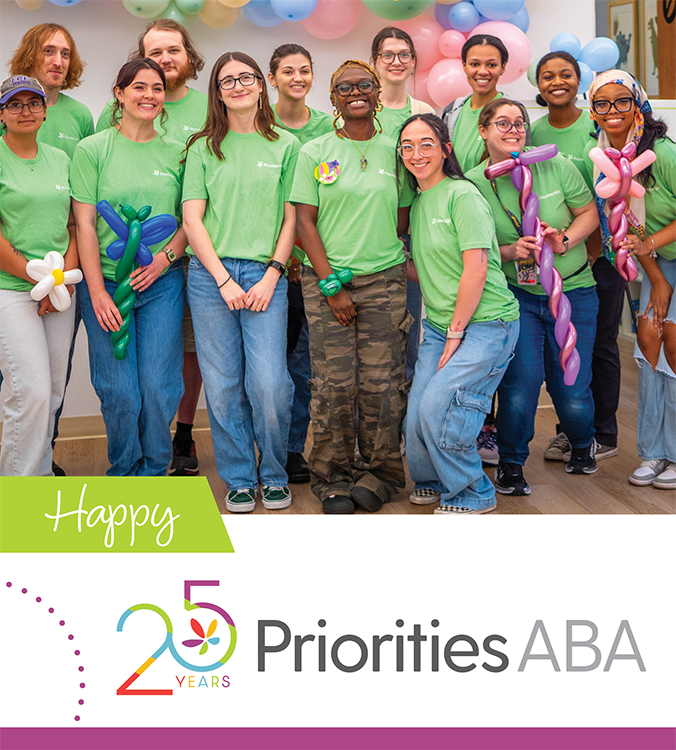
Priorities ABA, North Carolina’s premiere contemporary applied behavior analysis (ABA) provider of center-based, in-home, and school-based autism services for children, celebrates its 25th anniversary this year.
“We’re thrilled to celebrate our 25th anniversary of helping children and families grow, learn, and thrive,” said Emily Cogdell, LPA, LBA, BCBA, Regional Clinical Director.
Priorities ABA, a provider of LEARN Behavioral, is proud to announce its 25-year milestone. The organization is celebrating in a unique way by holding themed activities for children and families at their Cary, Fayetteville, and Jacksonville Learning Centers each month throughout the year. For example, in April, Priorities ABA celebrated Earth Day with a fun Scavenger Hunt at each of their Learning Centers.
“Families are excited about all the different themed activities, and the children particularly enjoy the themed activities where they may wear costumes or dress up for the day,” noted Cogdell.
In addition to themed activities for children and families, Priorities ABA staff is celebrating the 25th anniversary by giving back through monthly employee outreach initiatives that support various local community nonprofit organizations. Each month, staff hold a different drive to support the community – from a clothing drive, to a book drive to promote reading awareness, to a food drive for Second Harvest Food Bank in Fayetteville.
Priorities ABA was founded in 2001 and primarily served the Greenville area. As one of the earliest team members, Cogdell began working with Priorities ABA in 2004, delivering one-on-one ABA therapy to children on the autism spectrum.
“In the beginning, Priorities ABA had a team of four Board Certified Behavior Analysts (BCBAs), and services provided to children were limited to home-based,” Cogdell explained. “This meant that the BCBAs were only able to provide ABA therapy to children a couple of times per week.”
“Fast forward 25 years, Priorities ABA has branched out and is able to help many more families as we’re able to provide services where the children are – whether that’s at one of our Learning Centers, or at home or school,” explained Cogdell, whose team currently works in home, community, and school settings, tailoring ABA programs around the strengths and weaknesses of children with autism.
Priorities ABA is committed to focusing on each child’s unique needs, providing personalized, child-centered care to help them succeed, while also supporting the family.
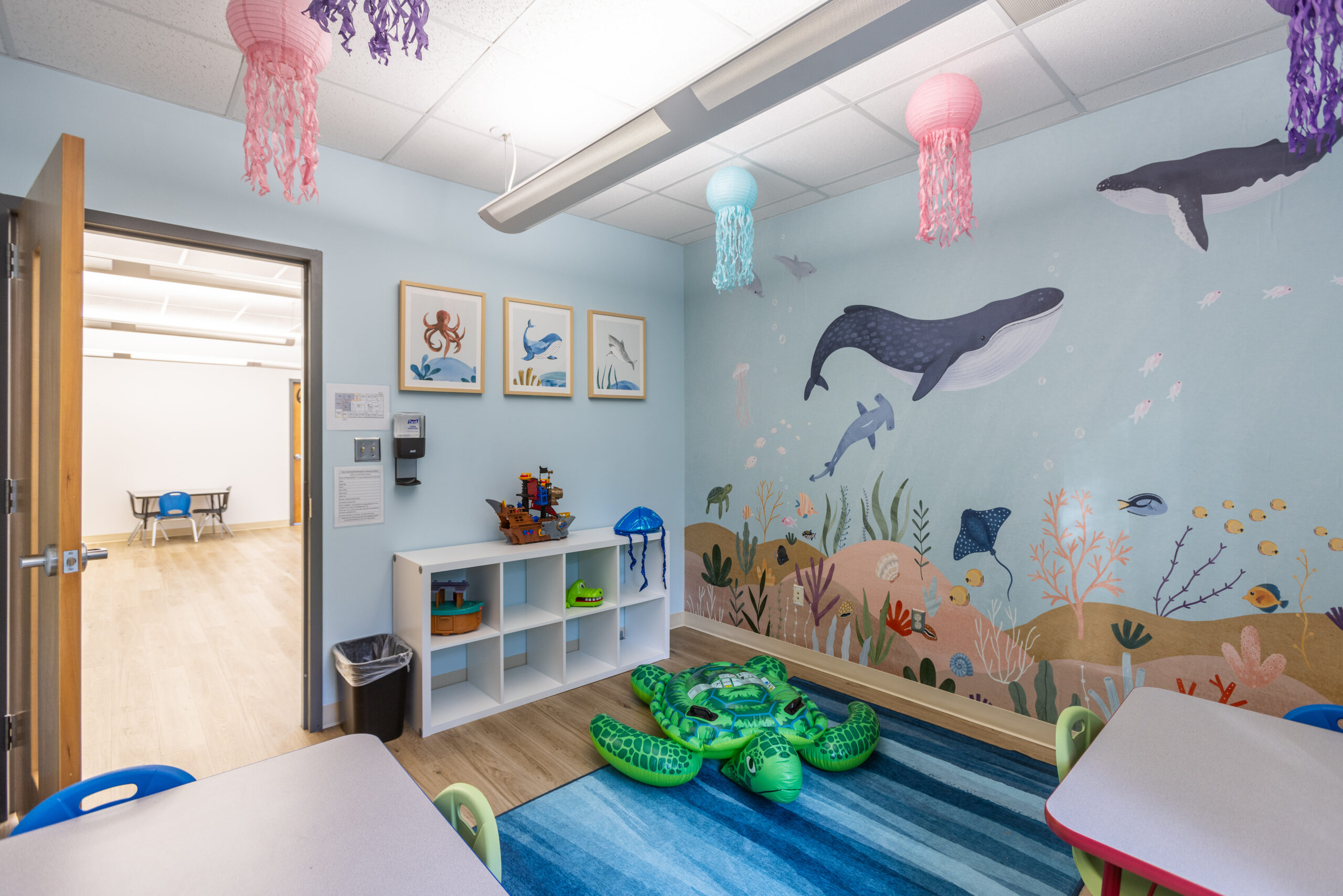
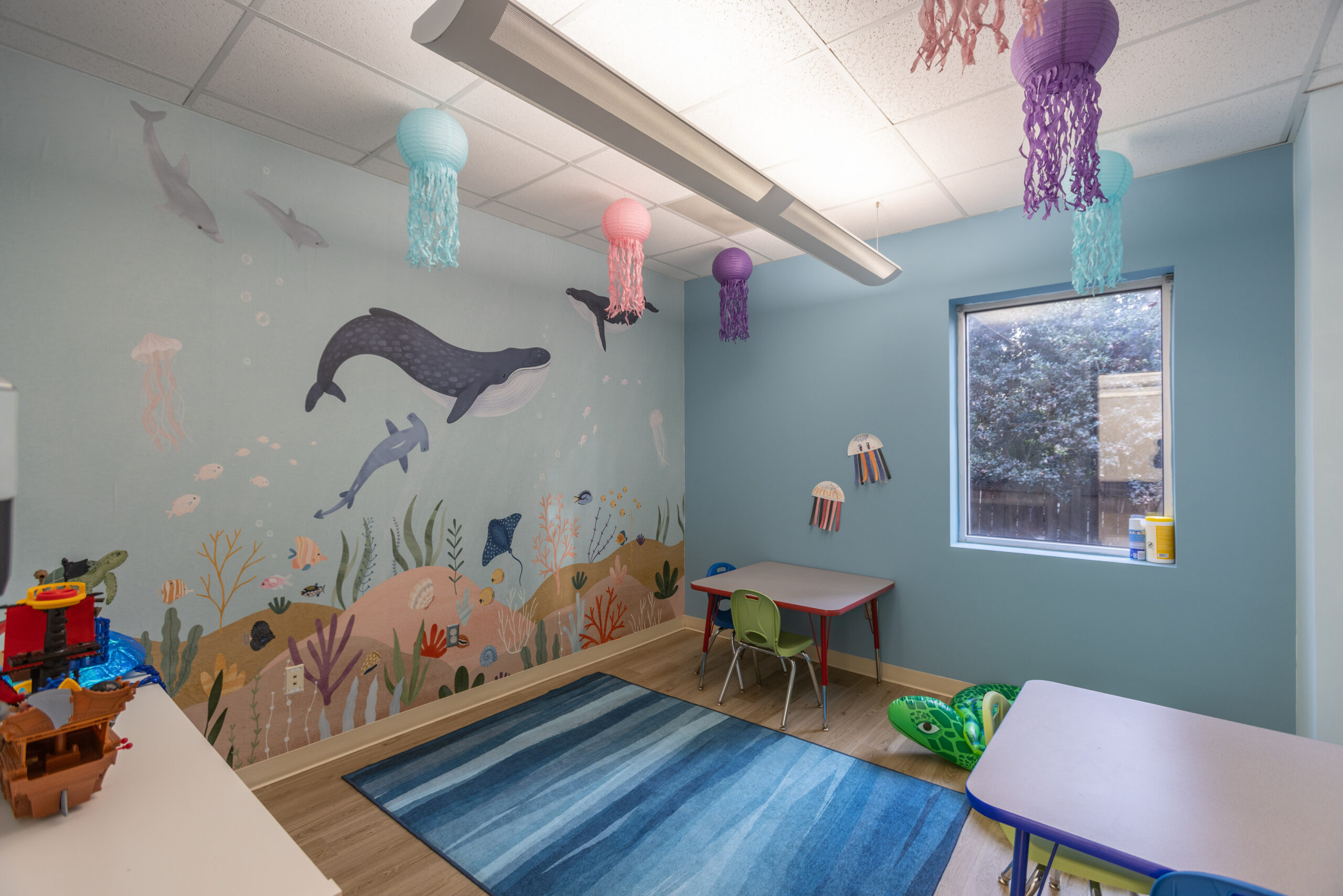
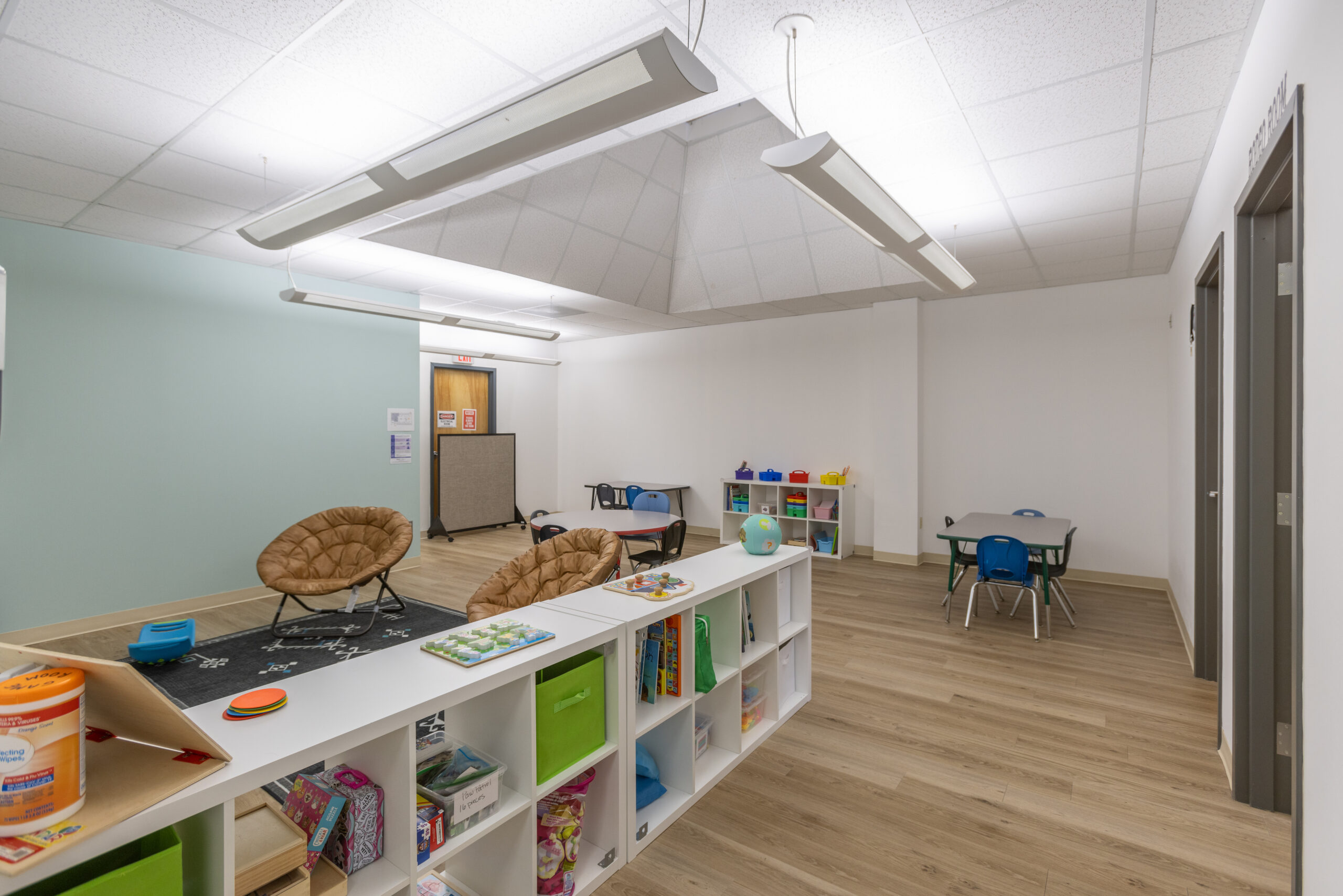
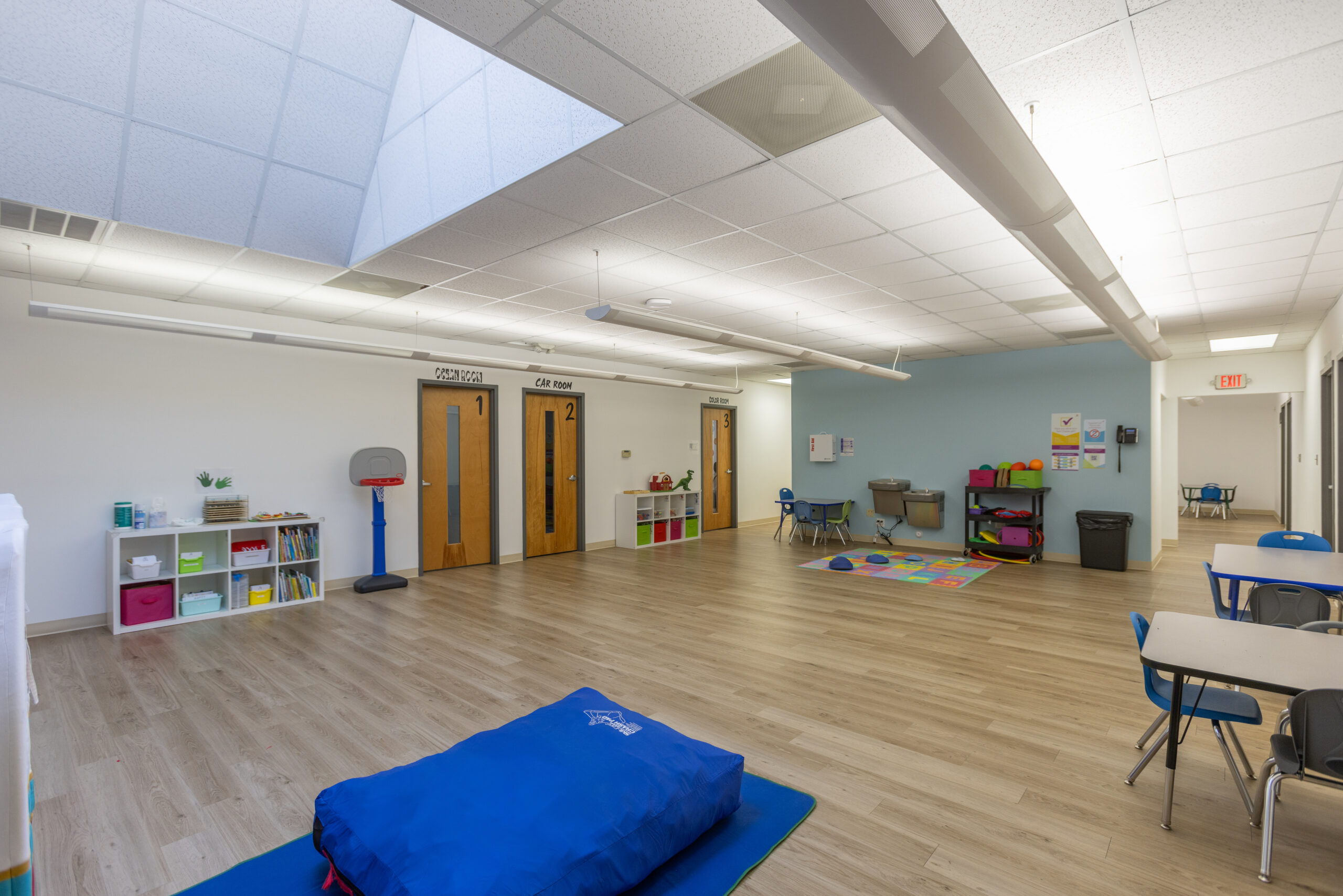
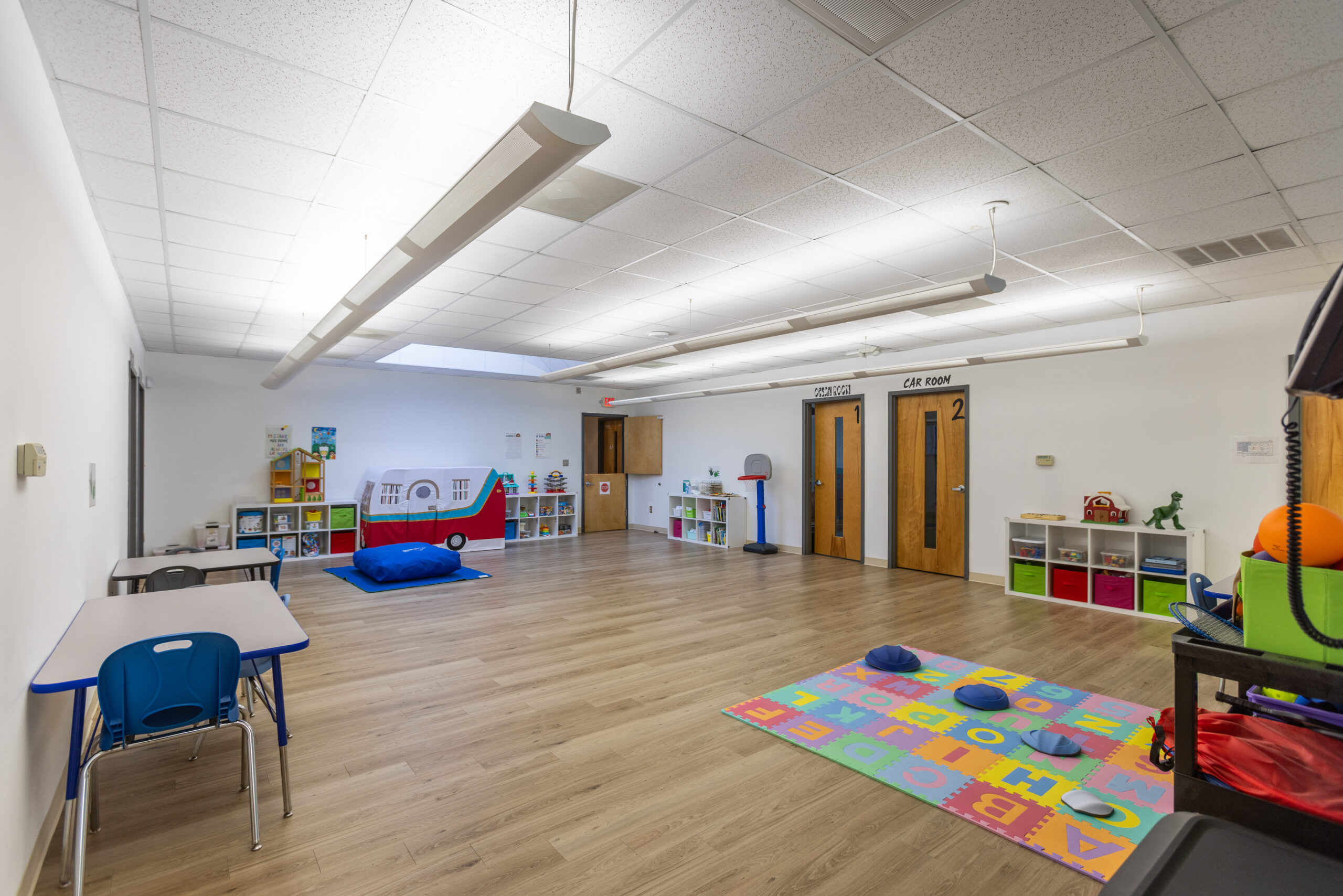
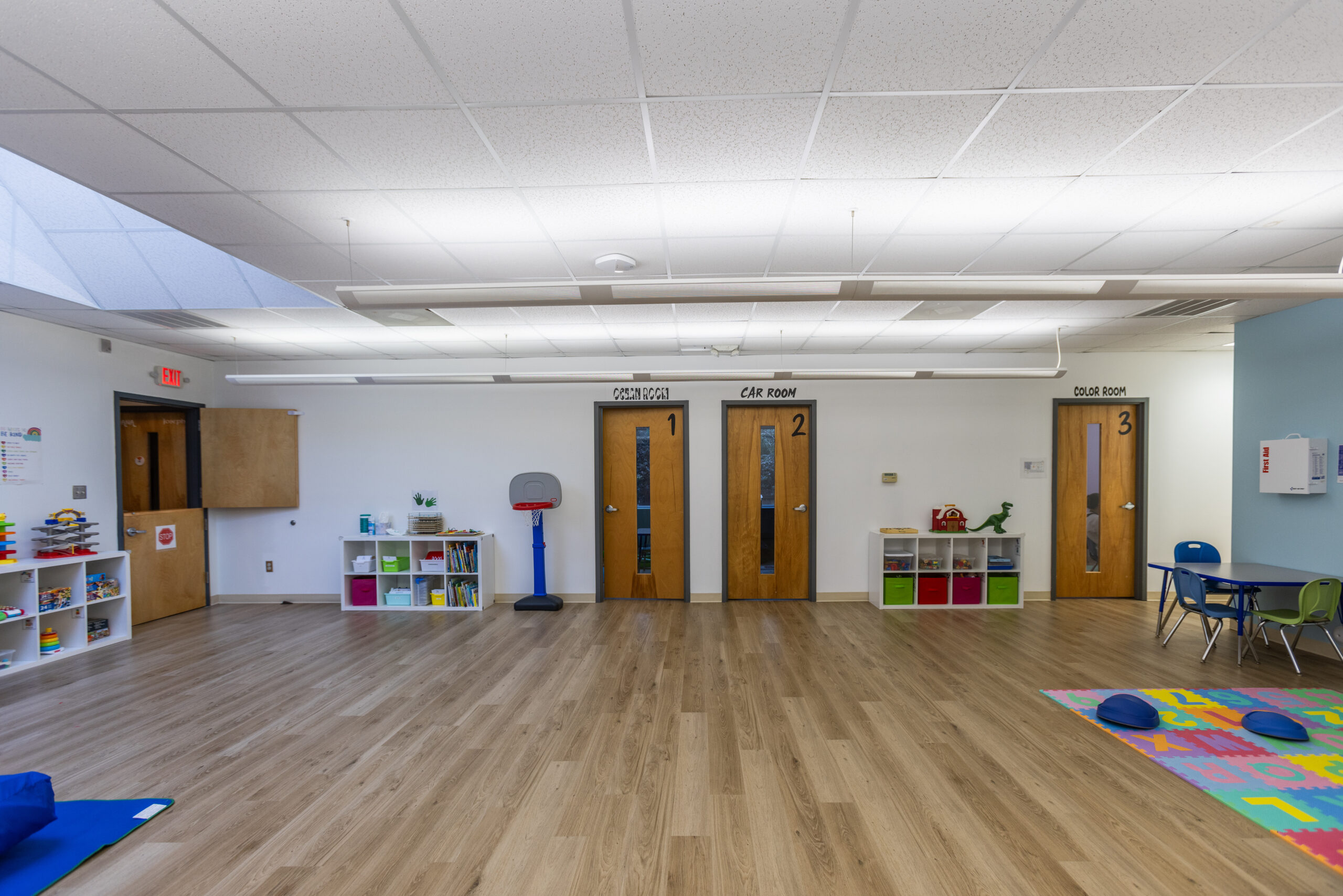
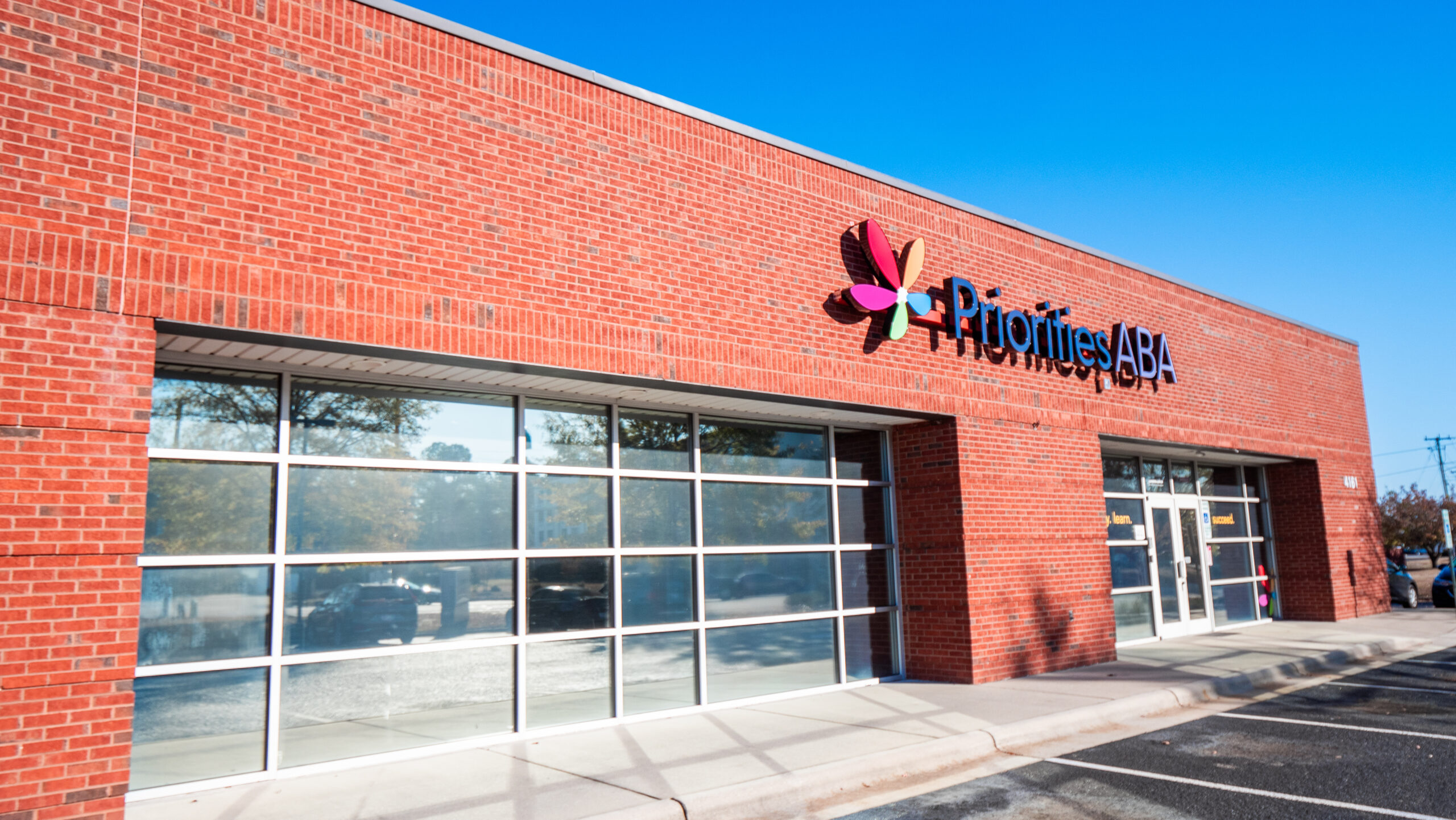
Priorities ABA provides in-home, center-based, and school-based ABA services at three state-of-the-art Learning Centers located in Cary, Fayetteville, and Jacksonville, NC. In addition to a team of 13 BCBAs, Priorities ABA now employs more than 100 Behavior Technicians (BTs) who provide ABA services to children and families each day.
Cogdell continued, “Many of our BCBAs have been with us for 7 to 15 years. This longevity speaks to the culture we have created. What we do and how we do it is important – we believe in both.”
Priorities ABA, part of the LEARN Behavioral network, is one of the nation’s leading providers of compassionate autism care. Now celebrating 25 years, Priorities ABA has been delivering evidence-based services, helping children and adolescents with autism find success and reach their unique potential.
Priorities ABA has locations in Cary, Fayetteville, and Jacksonville, NC. For more information or to enroll a child, call (252) 341-4192 or visit prioritiesaba.com
LEARN Behavioral is a national leader in autism treatment, offering comprehensive diagnostic services and contemporary applied behavior analysis (ABA) therapy for children with autism spectrum disorder. With a nationwide network of ABA providers and more than 100 Learning Centers across the country, LEARN delivers the highest standard of research-based care—customized to meet the unique needs and interests of each child and family. For more information, visit learnbehavioral.com
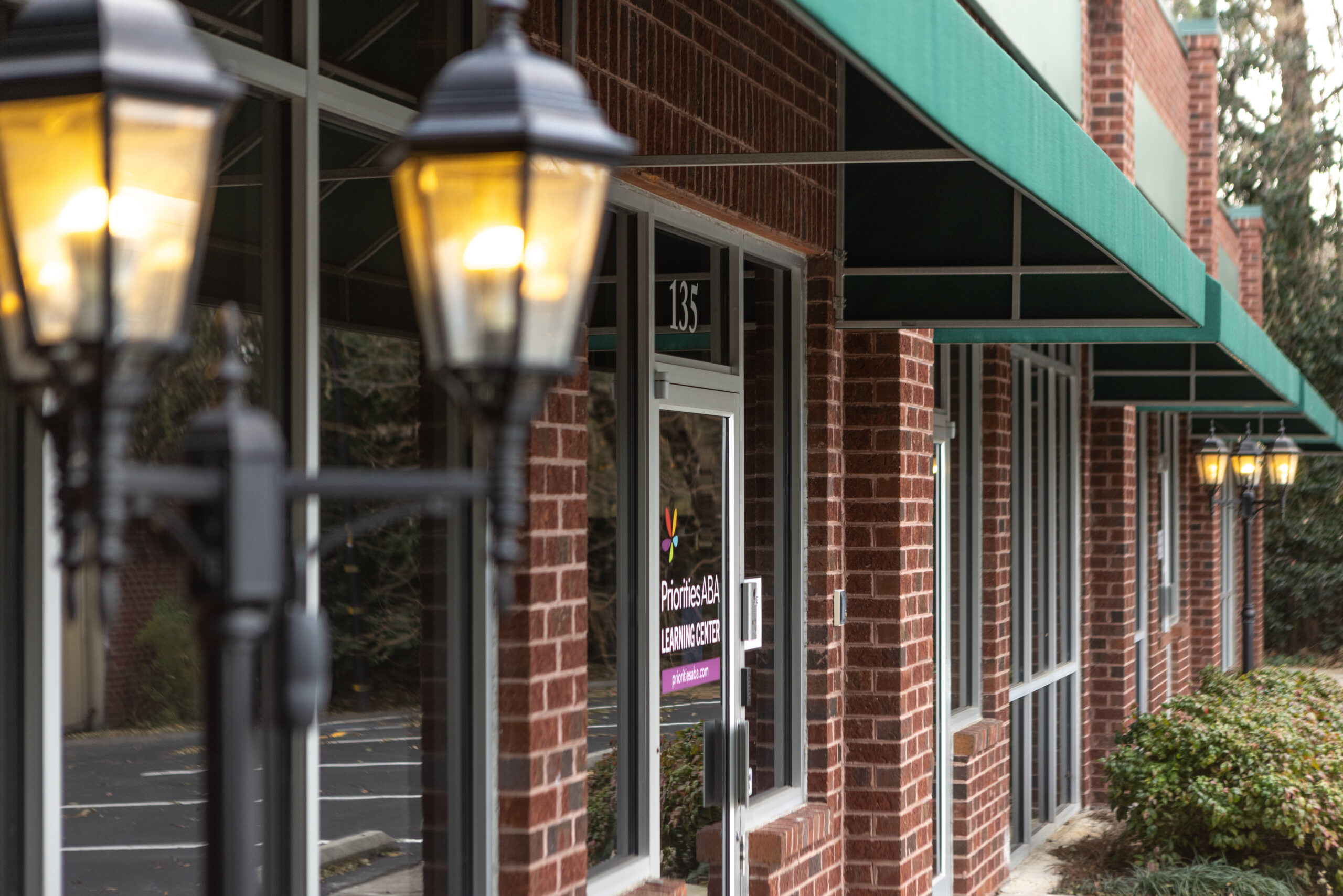
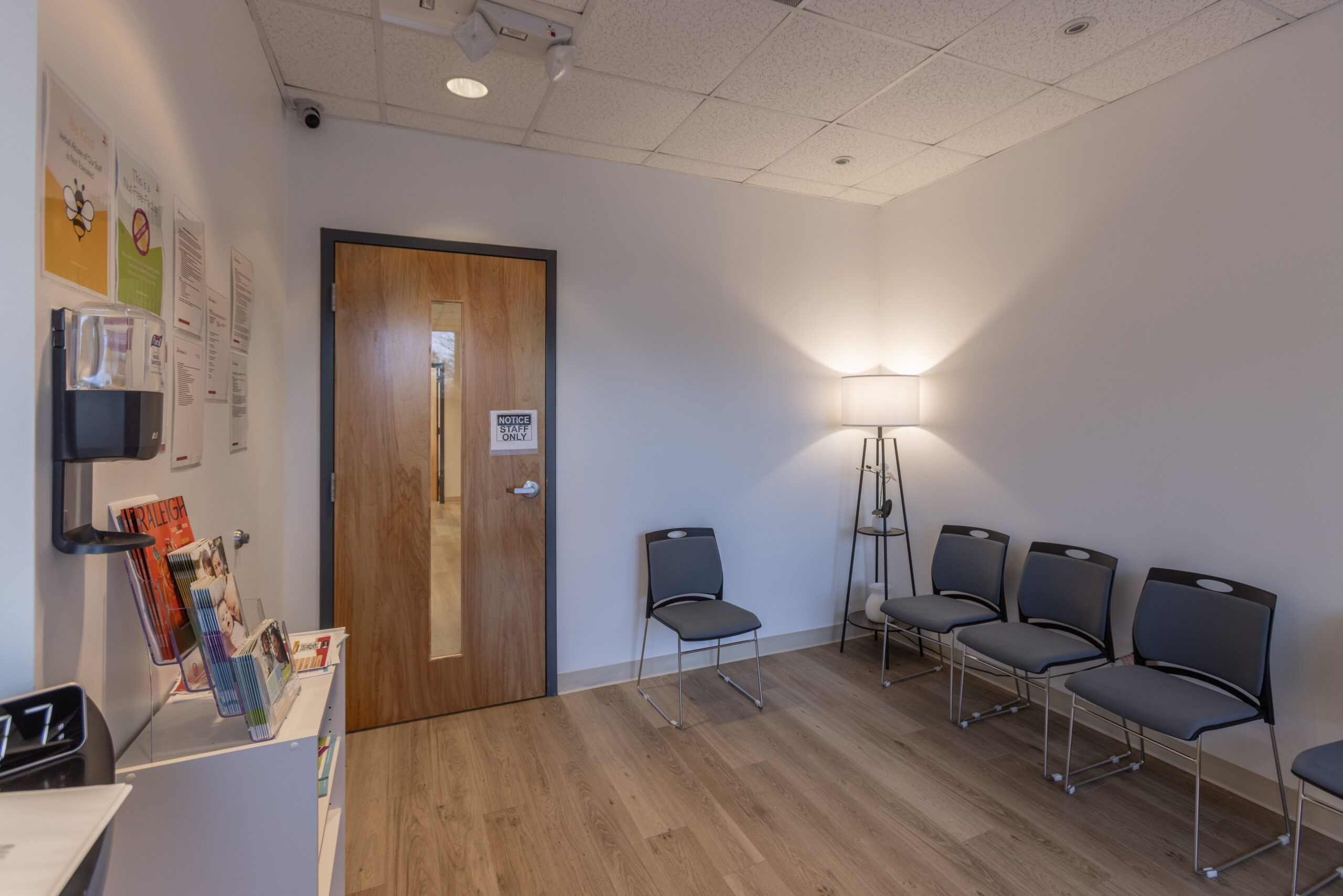
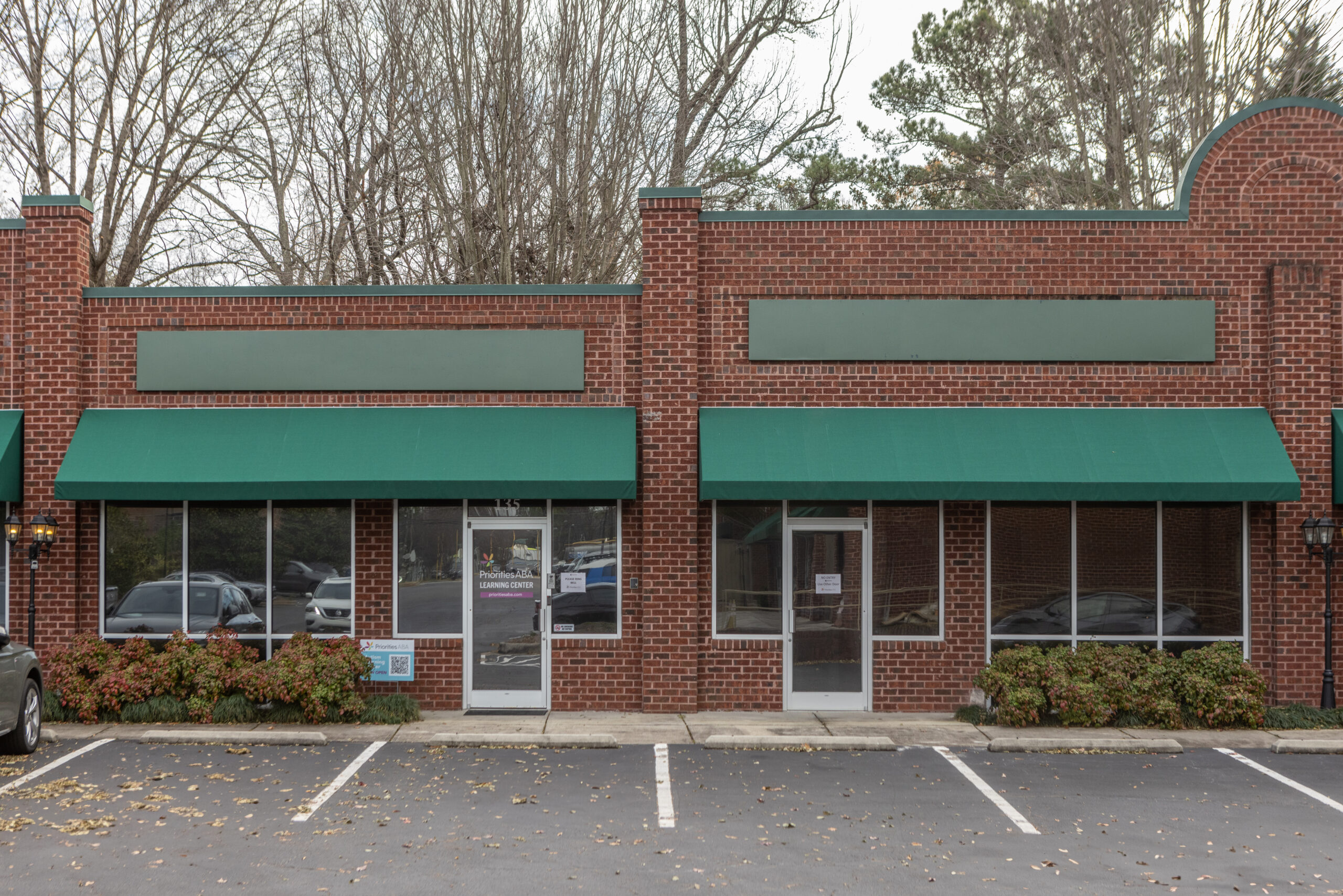
Priorities ABA, a provider of LEARN Behavioral, is proud to announce the grand opening of its new Cary Learning Center with a Ribbon-Cutting Ceremony and Open House on Thursday, April 3, 2025, from 3-6 p.m. at 598 East Chatham Street, Suite 135, Cary, NC, 27511. This event is open to the public.
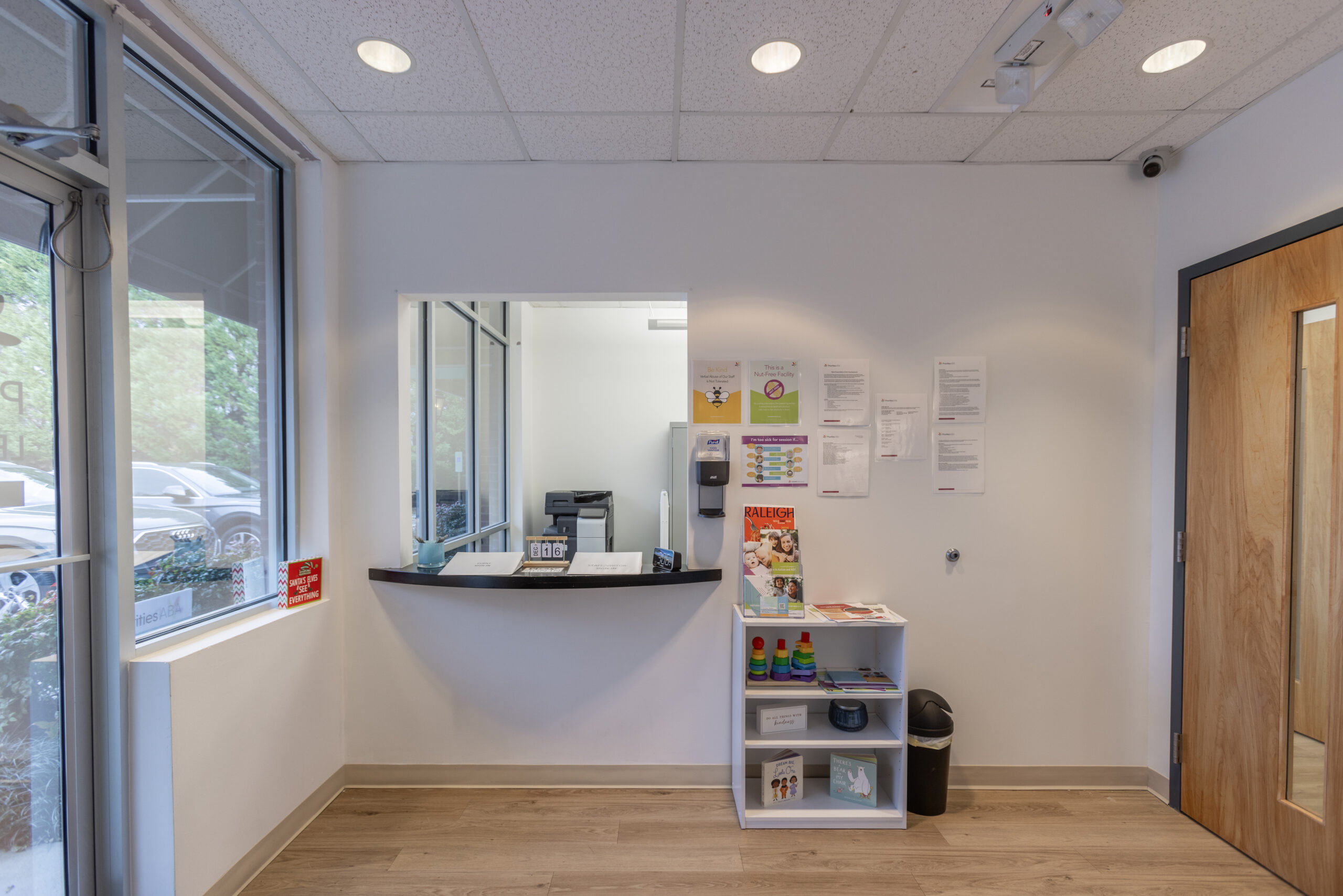
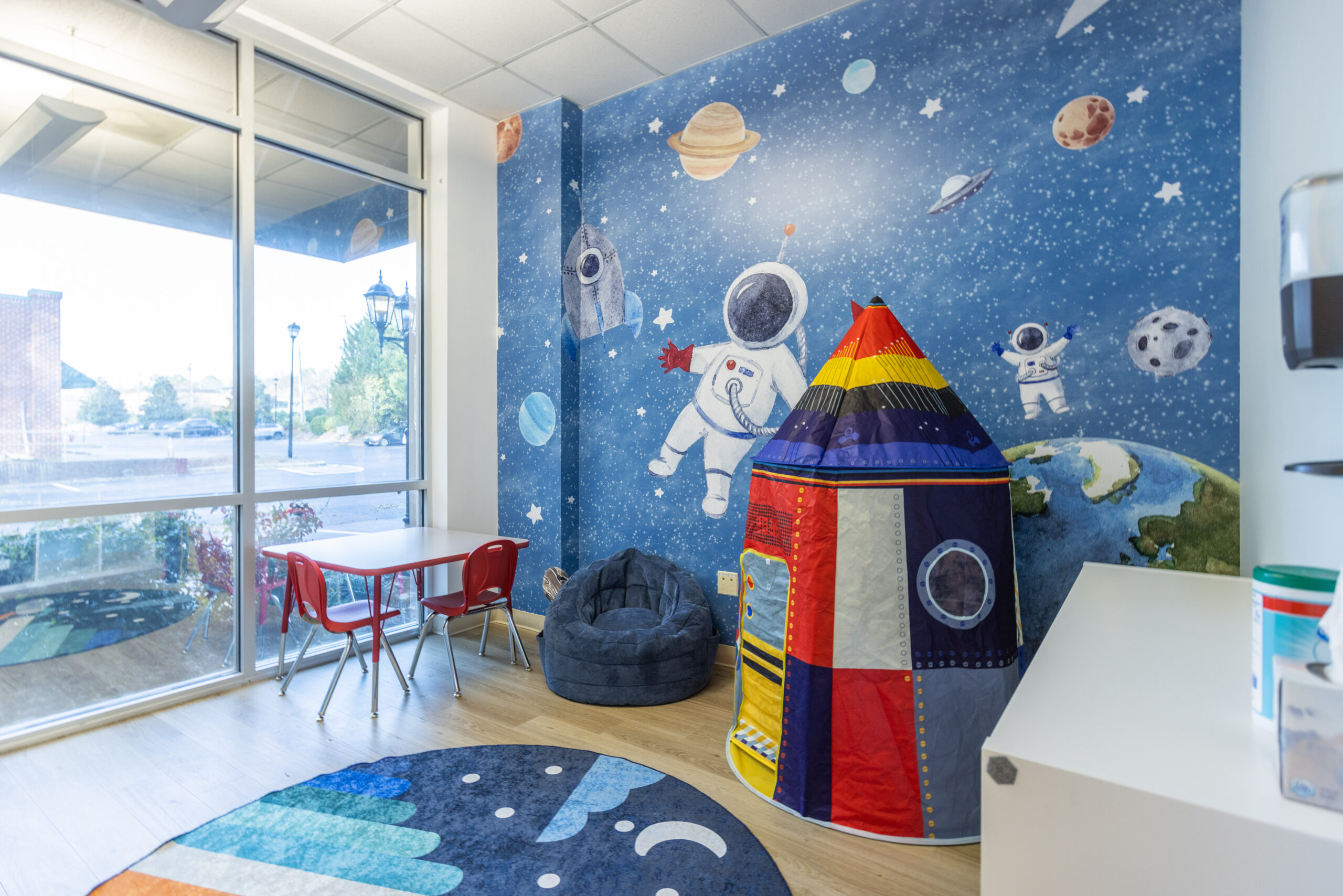
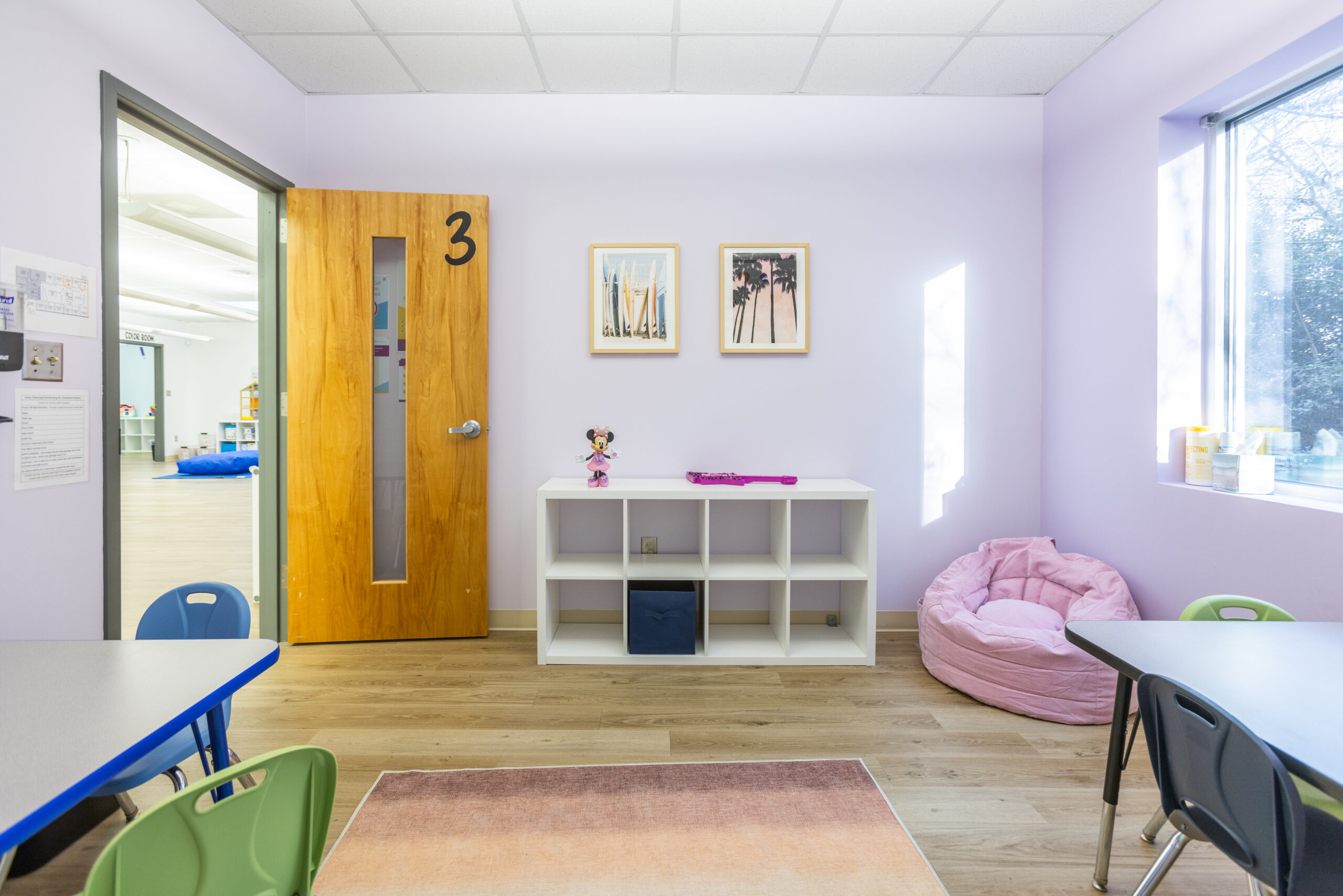
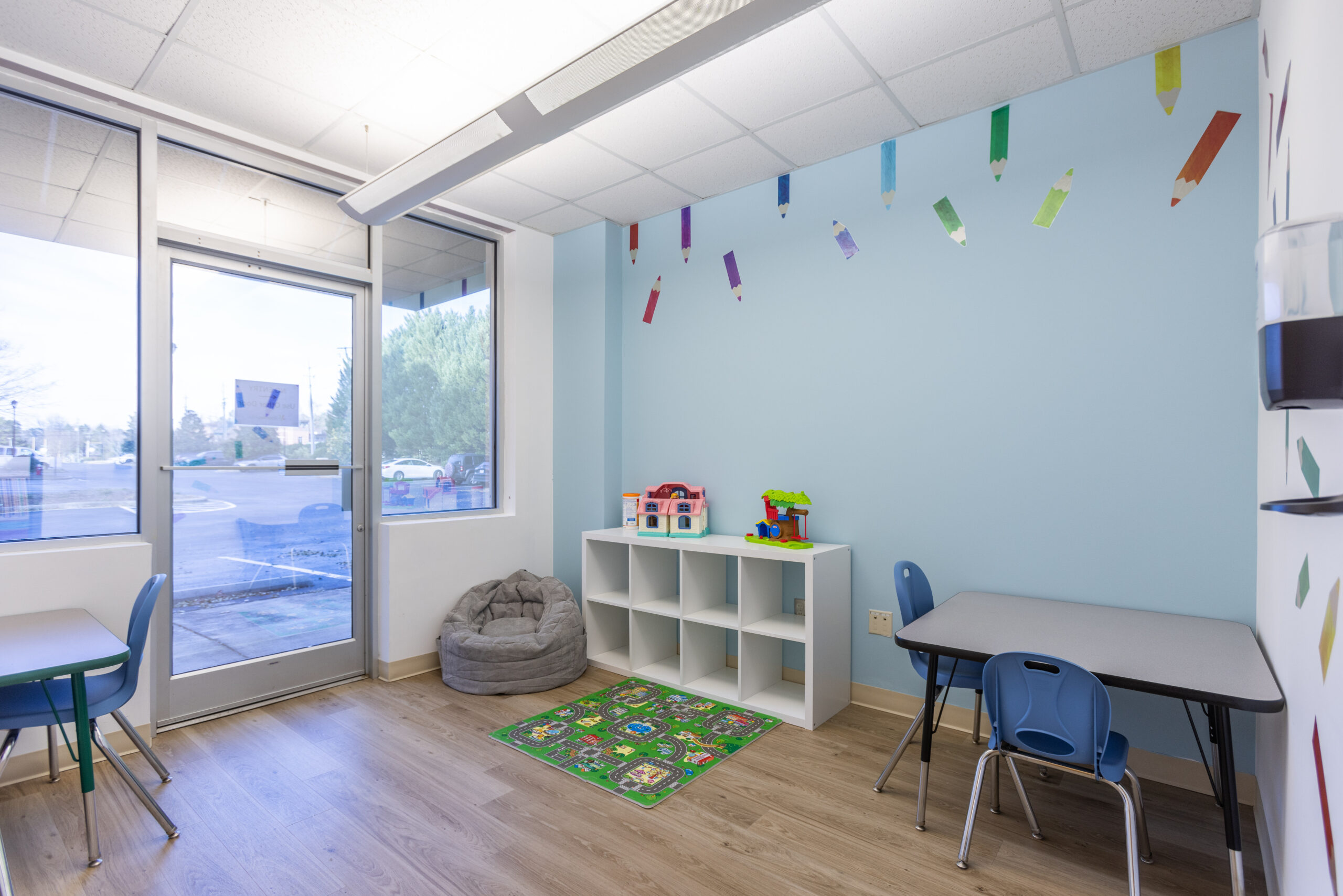
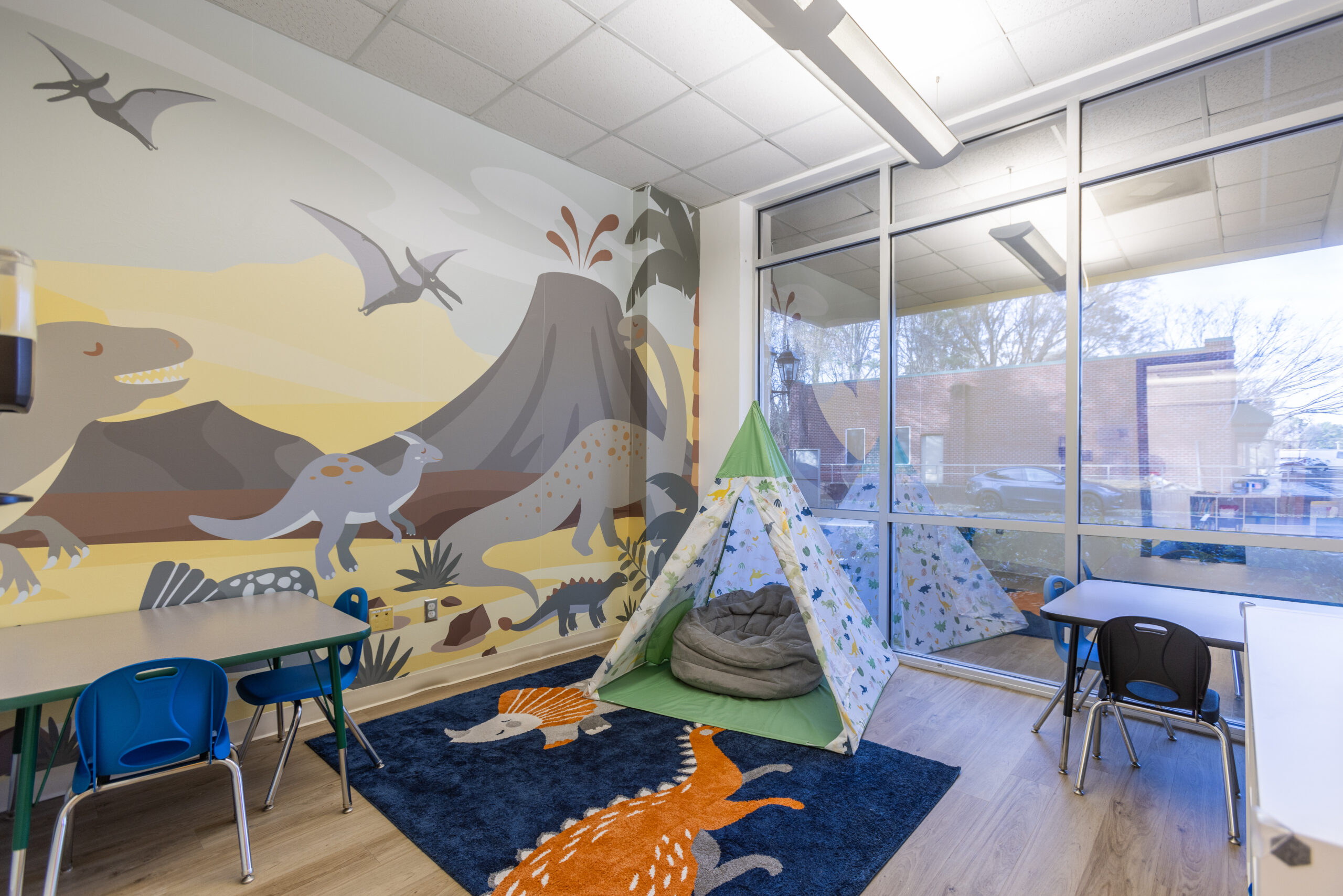
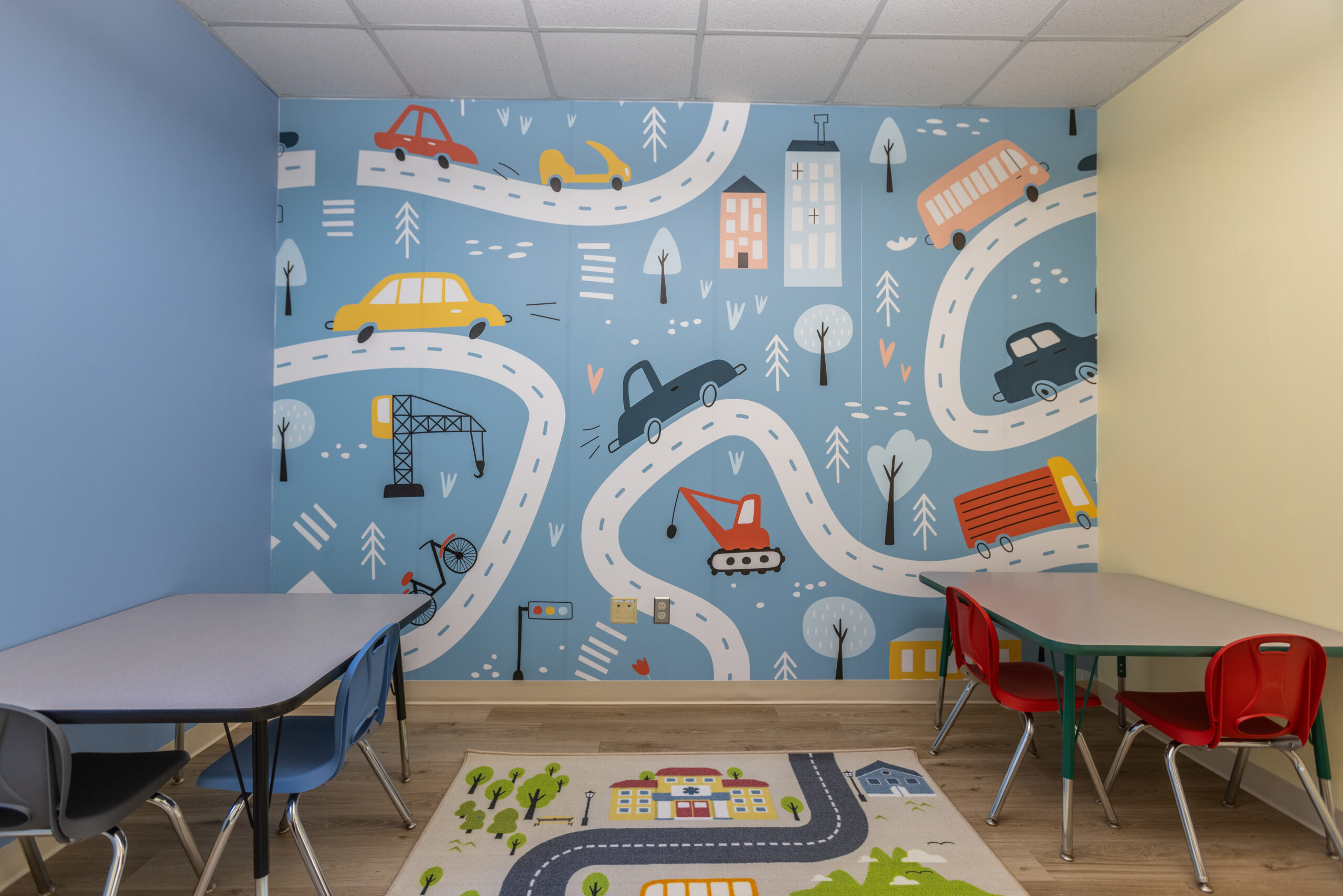
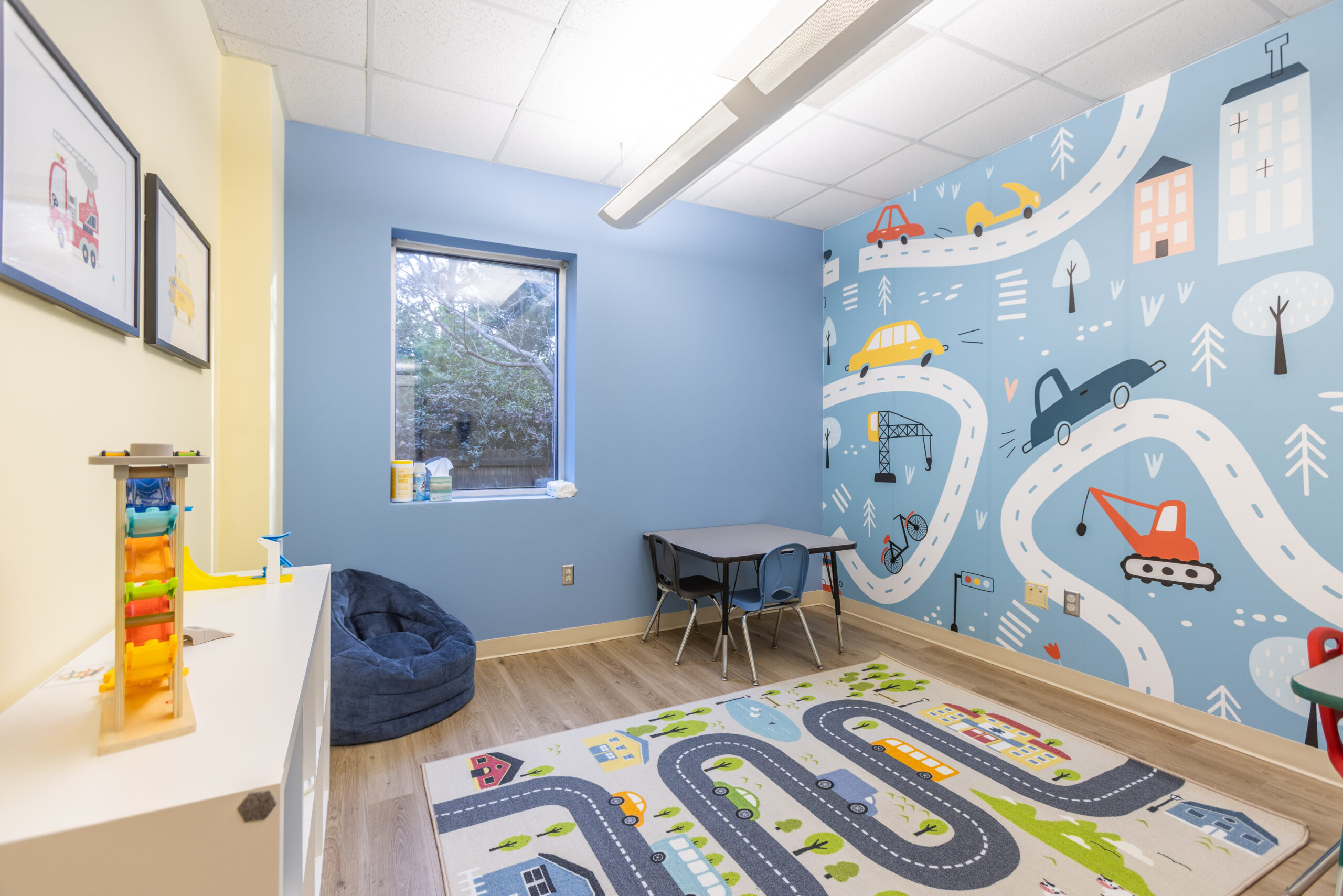
Priorities ABA is Cary’s premiere contemporary applied behavior analysis (ABA) provider of in-home and center-based autism services for children and adolescents ages 1-13 years. The new Cary Learning Center provides key services in addition to center-based, in-home, and community-based ABA therapy, including diagnostics.
A ribbon-cutting ceremony will be held with the Greater Raleigh Chamber of Commerce, and attendees will have an opportunity to tour the facility and meet the leadership team.
Spring-themed activities for families will be offered during the Open House, including photos taken with the spring bunny in a sensory-friendly and supportive environment.
“We are excited to have the opportunity to partner with new families by expanding our services to greater Cary, including Wake County and surrounding areas,” said Emily Cogdell, HSP-PA, BCBA, Regional Clinical Director of the Cary Learning Center. “We value being a part of the Cary community and look forward to collaborating with fellow organizations and professionals to help find success for every child and adolescent in our care.”
The center is now enrolling new clients in Cary, West Raleigh, Apex, Morrisville, and the Research Triangle Park areas with no waitlist and flexible treatment hours.
The Cary Learning Center is the third center-based ABA therapy location for Priorities ABA to open, with existing Learning Centers in Jacksonville and Fayetteville, NC.
Priorities ABA, part of the LEARN Behavioral network, is one of the nation’s leading providers of compassionate autism care. For more than 20 years, Priorities ABA has been delivering evidence-based services, helping children and adolescents with autism find success and reach their unique potential.
For more information or to enroll a child at the Cary Learning Center, call (252) 341-4192 or visit https://prioritiesaba.com/locations/cary/
LEARN Behavioral is a national leader in autism treatment, offering comprehensive diagnostic services and contemporary applied behavior analysis (ABA) therapy for children with autism spectrum disorder. With a nationwide network of ABA providers and more than 100 Learning Centers across the country, LEARN delivers the highest standard of research-based care—customized to meet the unique needs and interests of each child and family.
We’re excited to provide center-based services at our new Fayetteville, NC ABA Therapy Learning Center!