5 Sensory-Friendly Activities in Baltimore

Baltimore offers families many ways to explore museums, nature, and community spaces. For children with sensory sensitivities, the right setting can make a big difference. Quiet spaces, predictable environments, and opportunities for movement can help children feel comfortable while they learn and play. 

Across Baltimore and surrounding communities in Maryland, families can find places that offer flexible experiences. Some provide dedicated sensory-friendly hours. Others offer calm outdoor settings or interactive exhibits that children can explore at their own pace. 

Here are five sensory-friendly activities families in the Baltimore area often enjoy. 
1. Explore Interactive Exhibits at the Maryland Science Center 

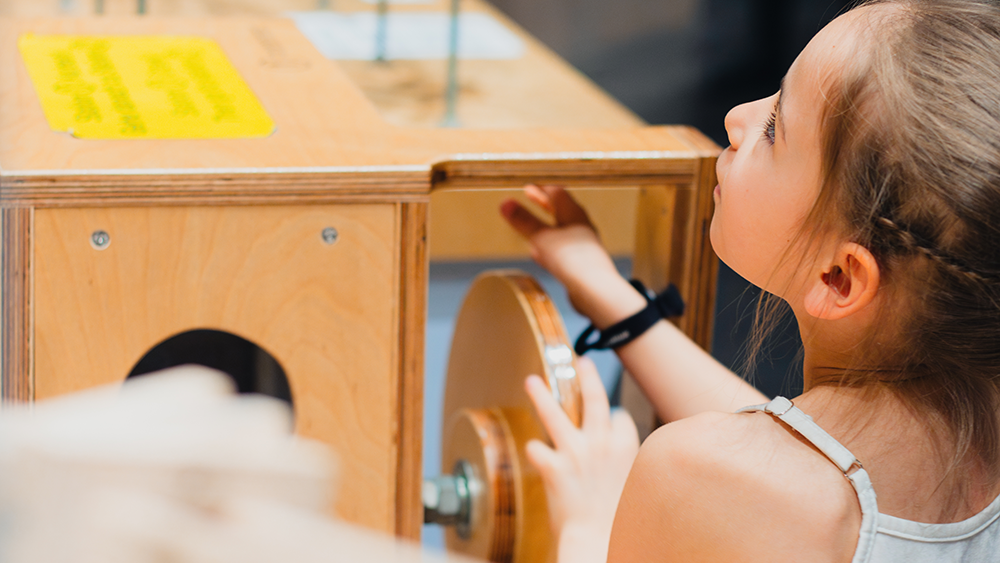
The Maryland Science Center sits along Baltimore’s Inner Harbor and gives children many ways to explore science through hands-on play. Three floors of exhibits invite kids to test ideas, build structures, and experiment with motion, energy, and the human body. The center also includes one of the region’s largest planetariums and a rooftop observatory used during special events. Many exhibits encourage open-ended discovery. Children can spin giant gears, experiment with water flow, or test simple machines while families move through the museum at their own pace. 

Tip for families: Start on the upper exhibit floors and work your way down. These areas often feel quieter than the busy first-floor entrance and lobby. 
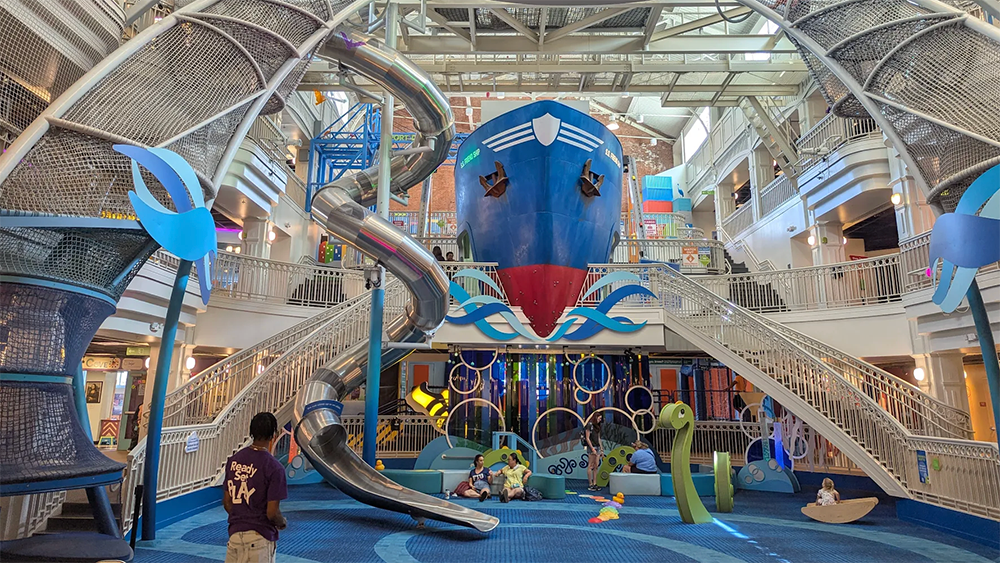
2. Kids Play and Create at the Port Discovery Children’s Museum 

The Port Discovery Children’s Museum offers interactive spaces designed for young children to learn through play. Exhibits focus on art, building, storytelling, and physical movement. Children can climb the multistory SkyClimber, create projects in hands-on maker areas, and move between themed play spaces that encourage imagination and exploration.  

Families can spend time in one area or move through the museum at a comfortable pace. The museum also schedules sensory-friendly play sessions during select times of the year. During these events, staff reduce lighting and sound levels and limit attendance so families can experience the exhibits in a calmer setting. 

Tip for families: Visit the smaller themed exhibit rooms if your child prefers quieter activities instead of the large central climbing structure. 

3. Visit Animals at the Maryland Zoo 

The Maryland Zoo in Baltimore sits inside historic Druid Hill Park and ranks among the oldest zoos in the United States. Families often begin at Penguin Coast, where African penguins swim and dive in a large open habitat. Nearby exhibits feature giraffes, zebras, and ostriches sharing the same outdoor environment. Throughout the day, zookeepers host short animal talks where children can watch feedings and learn about animal care. 

Tip for families: Check the daily schedule for penguin or giraffe talks. These short programs give children a chance to see the animals during feeding time 
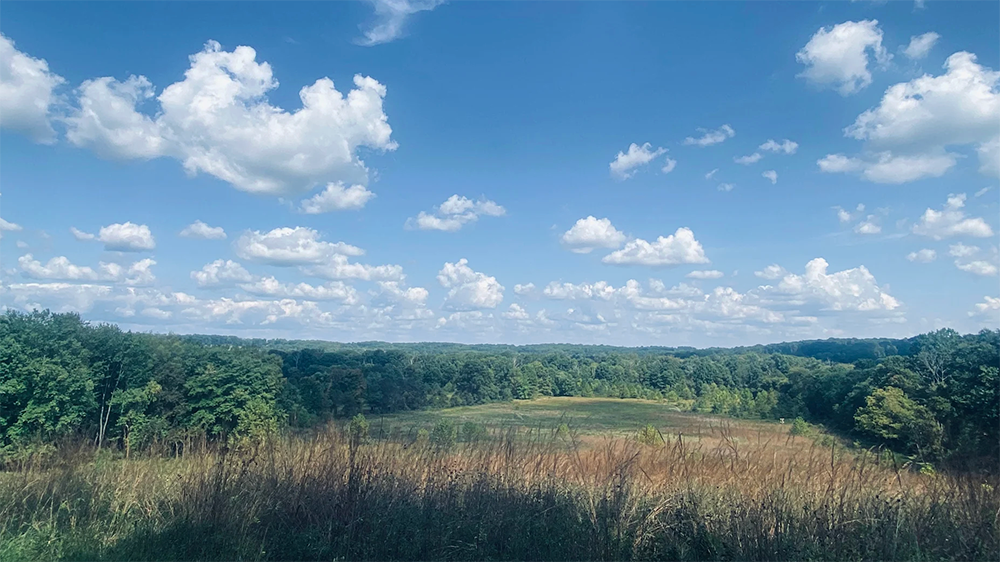
4. Discover Wildlife at the Irvine Nature Center 

The Irvine Nature Center in Owings Mills spans more than 200 acres of forests, meadows, and wetlands where children can observe wildlife and explore nature at their own pace. Inside the center, families can see live animal exhibits that feature native species such as turtles, snakes, and birds of prey. Outside, trails lead through fields and wooded areas where visitors often spot butterflies, frogs, and other local wildlife. 

Tip for families: Start at the indoor exhibits before heading outside. Seeing the animals first often helps children stay engaged during a short nature walk. 
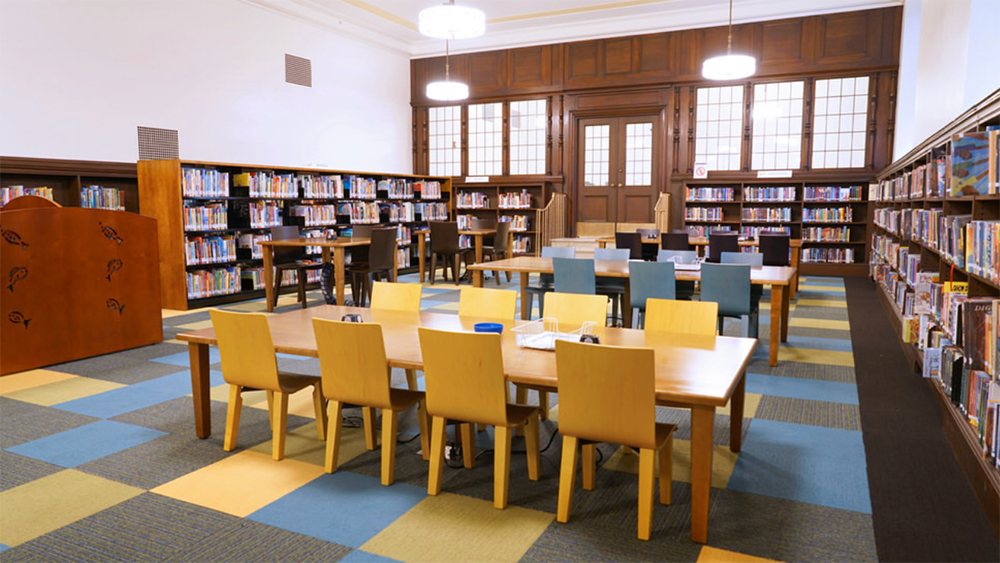
5. Read and Relax at the Enoch Pratt Free Library 

The Enoch Pratt Free Library system began in 1882 when Baltimore merchant Enoch Pratt created one of the nation’s first large free public library systems. Today, the central branch downtown includes a large children’s department where families can browse books, read together, and explore learning displays designed for young visitors. The library also hosts frequent family programs such as storytimes, science demonstrations, and author events that introduce children to new ideas in a calm setting. 

Tip for families: Visit the central branch children’s department, which often sets up rotating activity tables with puzzles, crafts, or simple learning games. 

Sensory-Friendly Experiences in Baltimore 

Many of these destinations also host sensory-friendly events or quieter programming during certain times of the year.  

If you are looking for additional support in Baltimore, Trellis offers applied behavior analysis (ABA) therapy for children with autism. Our clinical teams partner with families to build communication, social, and daily living skills that help children succeed at home, in school, and in the community. 

5 Sensory Friendly Spots in and Around Beloit, Wisconsin 

Families who have a child with autism often plan outings with more than distance or cost in mind. Noise, lighting, crowds, and how a space is set up can influence whether a visit feels manageable or overwhelming. In Beloit, Wisconsin, a handful of places stand out for offering something many families look for but do not always find. A setting that feels calm, predictable, and flexible. 

A “sensory-friendly” space usually has fewer harsh lights, lower noise, and room to move without pressure. It may include quiet areas, clear layouts, or staff who are patient and responsive. For many families, those details can turn an outing from stressful to possible. 

Here are five places in and around Beloit that families return to for that reason. 

1. Beloit Public Library Offers Calm Spaces and Flexible Programs 

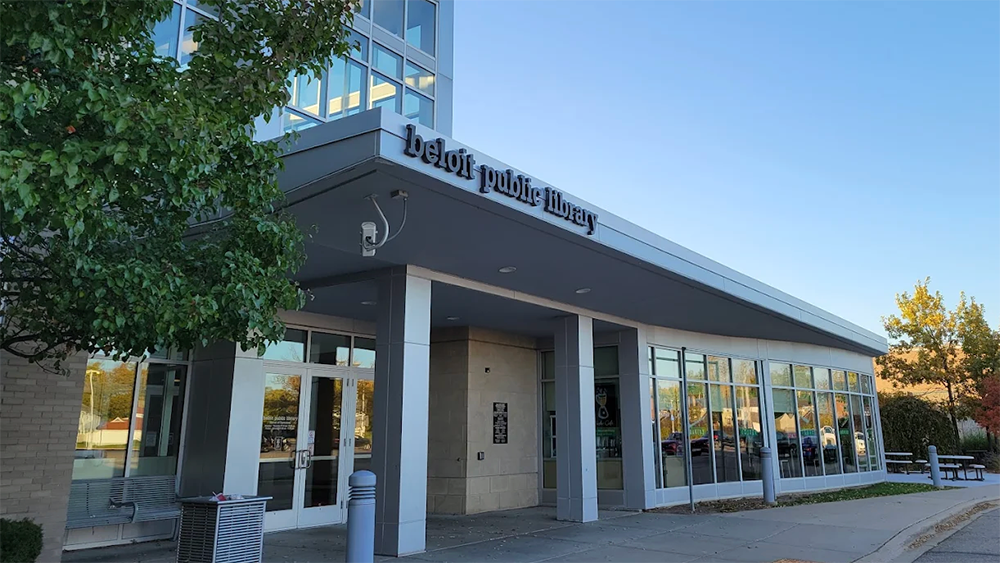
The Beloit Public Library gives families space to settle in without feeling rushed. The children’s area is open and easy to navigate. Staff are accustomed to a wide range of needs, which can make visits feel more manageable from the start. 

Tip for families: Aim for mid-morning on weekdays, when the space is quieter, and your child has more room to explore at their own pace. 

2. Rotary Botanical Gardens Has Quiet Paths to Explore 

At Rotary Botanical Gardens, wide paths and natural surroundings help reduce sensory input. The setting is calm, with fewer sudden noises or tight spaces. Families can move at their own pace and step away when needed without drawing attention. 

Tip for families: Start with a short, familiar route and build from there so your child can get comfortable with the environment. 

3. Children’s Museum of Rock County Encourages Hands-on Play  

A short drive (roughly 20 minutes) from Beloit, The Children’s Museum of Rock County, in Janesville, set to open in Fall 2026, offers interactive exhibits that support independent play. The space can get busy, but earlier hours tend to be easier to navigate. Many exhibits allow children to engage on their own terms, without needing to follow a set path. 

Tip for families: Choose one or two exhibits to focus on rather than trying to see everything in one visit. 

4. Go Out to the Ballpark at a Beloit Sky Carp Game 

ABC Supply Stadium, home of the Beloit Sky Carp, offers open-air seating and room to move. While games can be loud, smaller crowds and flexible seating options can help families find a workable setup. The ability to step away without leaving the venue can make a difference. 

Tip for families: Look for aisle seats or sections near exits so you can step out quickly if your child needs a break. 

5. Telfer Park Gives Space to Move and Reset 

Telfer Park gives families space to breathe. The playground sits within a larger park with open green space, walking paths, and multiple sports fields, so it never feels crowded. Kids can move between active play and quieter areas without leaving, which can help them reset and stay longer. The park also includes a skate park, ice rink, shelter, and concession stand, with events such as baseball games and public skating throughout the year. That range makes it easier to adjust your visit based on your child’s needs. 

Tip for families: Start at the playground, then map out a short loop on the walking paths or head toward a quieter open field for a break. If there is a game or event, plan to arrive early or visit during off-peak times for a calmer experience. 

Support is close to home 

Finding the right environment can help, but many families also want support that carries into daily life. The team at Wisconsin Early Autism Project (WEAP) works with families in Beloit and nearby communities to build skills that help them meet goals in everyday life. 

5 Sensory-Friendly Places in Ontario, California 

Ontario blends suburban neighborhoods with wide boulevards, community parks, and easy access to the San Bernardino Mountains.  

It’s a bit of a crossroads of Southern California sprawl and open sky. There are warehouses and freeways, but there are also mountain views, neighborhood parks, and civic spaces built for everyday life.  

For families raising children with sensory differences, that everyday life matters. They’re looking for balance, especially if their kids have sensory differences and respond strongly to noise, lighting, and crowd levels.  

In Ontario, that balance often shows up in places that are thoughtfully laid out, modest in scale, or connected to nature. 

Here are five places in Ontario that many families find comfortable. 

1. Cucamonga-Guasti Regional Park offers lakeside space and open fields 

Two lakes anchor Cucamonga-Guasti Regional Park , and the water changes the atmosphere immediately. Instead of constant motion and noise, there is horizon and reflection. There’s also room to spread out. Families can settle at a shaded table or follow the walking path along the shoreline. The layout makes it easy to see what’s ahead. 

Tip for Families: Visit during weekday mornings to avoid peak crowds, and pack familiar snacks to keep the outing predictable. 

2. Ontario City Library – Ovitt Family Community Library provides a structured indoor space 

The Ovitt Family Community Library has wide aisles, defined reading areas, and a dedicated children’s section. Nothing feels chaotic. Sound levels tend to stay steady, and it’s a library with clear rules and expectations. For many children, libraries offer comfort through routine. They can walk in, choose books, sit, read, and leave. The sequence can stay the same. 

Tip for Families: Preview the library layout online, and choose a specific reading area before arriving to reduce transitions. 

3. Westwind Park gives families room to move 

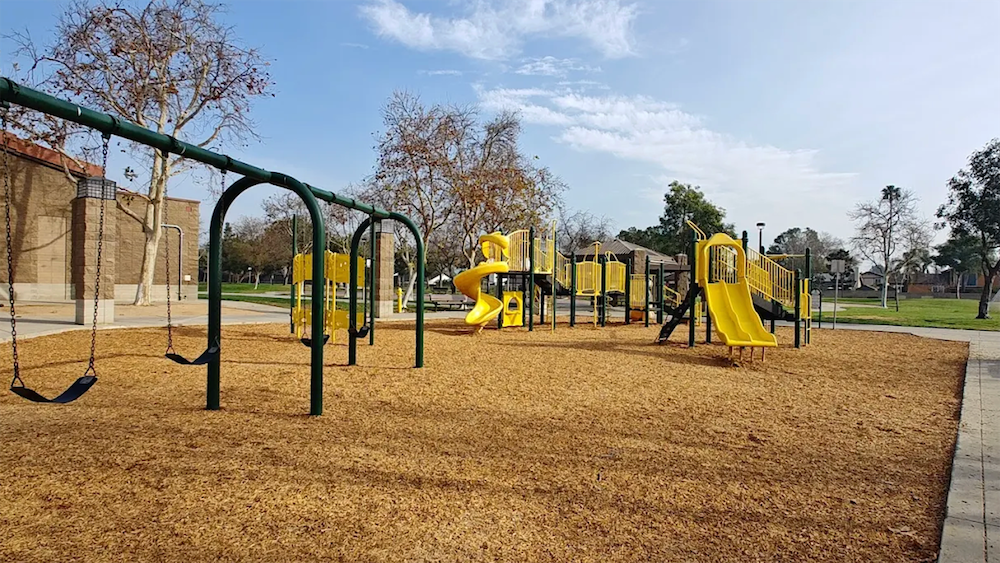
Westwind Park strikes a balance between activity and openness. It has a playground, and it also has wide grassy areas around it. Families can move from climbing structures to open field without feeling boxed in. For children who regulate through motion, that flexibility matters. 

Tip for Families: Begin on the outer edge of the playground, and move inward as comfort builds. Identify a quiet bench or tree as a reset spot. 

4. Ontario Museum of History & Art offers a smaller, manageable museum setting 

Large museums can sometimes be overwhelming for kids with sensory issues. The Ontario Museum of History & Art has a modest footprint. It’s easier to understand the layout at a glance. Galleries have clear sections, which allows families to focus on one room at a time. There are no flashing lights or booming audio. The experience feels contained, not sprawling. 

Tip for Families: Choose one exhibit before entering and focus your experience on that section. 

5. Prado Regional Park offers nearby open space and trails 

A short drive from Ontario, Prado Regional Park opens up to wide landscapes, long trails, and lake views. The scale is expansive, but the experience can stay simple. Families can park near one section and keep the outing contained. 

Tip for Families: Pick one trail or picnic area ahead of time, and park close to it to minimize transitions. Keep the first visit brief and predictable. 

Looking for Support in Ontario? 

Autism Spectrum Therapies (AST) provides evidence-based applied behavior analysis (ABA) therapy for children and families in and around Ontario. If you have questions about your child’s development, or about what support might look like, our team is here to talk through next steps. 

5 Sensory-Friendly Places to Visit in South Bend, IN 

For some kids with autism or developmental differences, busy places can sometimes feel overwhelming. 

Sensory-friendly spaces are designed to make outings easier when that happens. They may lower noise or lighting, provide extra room to move, or offer simple tools to help families feel more comfortable. 

In South Bend, families will find several places that take these needs into account. Here are five sensory-friendly spots to visit. 

1. Explore Animals at the Potawatomi Zoo 

The Potawatomi Zoo is Indiana’s oldest zoo and home to more than 400 animals. The zoo offers Sensory Friendly Days with quieter pathways, lower sound levels, and sensory bags available for checkout. Families can also enjoy the wide outdoor layout, which helps children explore at their own pace. 

Tip for Families: Check the events calendar for sensory-friendly days, or visit on weekday mornings for a calmer atmosphere. 

2. Find a Quiet Corner at St. Joe County Public Library 

The St. Joe County Public Library provides a peaceful environment with cozy reading areas, interactive children’s spaces, and special sensory kits that include tools like fidget toys and noise-canceling headphones. The library also offers inclusive story times and programs throughout the year. 

Tip for Families: Ask the staff about available sensory kits or upcoming sensory-friendly events. 

3. Walk the Trails at Rum Village Park 

Rum Village Park covers more than 160 acres of trails, wooded areas, and picnic spots. Families can enjoy nature walks, bird watching, or quiet play in open green spaces. The slower pace of the park makes it an excellent choice for children who feel more comfortable outdoors. 

Tip for Families: Visit in the morning or late afternoon for cooler temperatures and fewer crowds. 

4. Enjoy Inclusive Fun at the 4-H Fairgrounds 

Each summer, the St. Joseph County 4-H Fair hosts a Sensory Friendly Day with reduced lights, lower sound levels, and fewer crowds. It’s a chance for children to experience the fun of the fair in a setting designed with their needs in mind. 

Tip for Families: Check the fair’s schedule. Sensory-friendly hours are typically held in the morning. 

5. Play and Relax at Howard Park 

Howard Park is a family favorite in South Bend. The park has wide-open play areas, walking trails, and plenty of space to explore. In winter, staff adjust the ice trail and playground for sensory-sensitive families. 

Tip for Families: Bring a picnic and enjoy the large green space. Early mornings or weekdays are the most peaceful times to visit. 

Check out our LEARN Behavioral blog on 5 simple play ideas for more sensory-friendly inspiration. 

Looking for additional support for your child in South Bend, IN? At the Behavior Analysis Center for Autism (BACA), part of LEARN Behavioral, we use science and data to deliver contemporary applied behavior analysis (ABA) therapy, tailored to your child’s unique needs, interests, and personality. Learn more about our services in the South Bend area and contact us today.