5 Sensory-Friendly Activities in Baltimore

FEATURED POSTS



Baltimore offers families many ways to explore museums, nature, and community spaces. For children with sensory sensitivities, the right setting can make a big difference. Quiet spaces, predictable environments, and opportunities for movement can help children feel comfortable while they learn and play.
Across Baltimore and surrounding communities in Maryland, families can find places that offer flexible experiences. Some provide dedicated sensory-friendly hours. Others offer calm outdoor settings or interactive exhibits that children can explore at their own pace.
Here are five sensory-friendly activities families in the Baltimore area often enjoy.
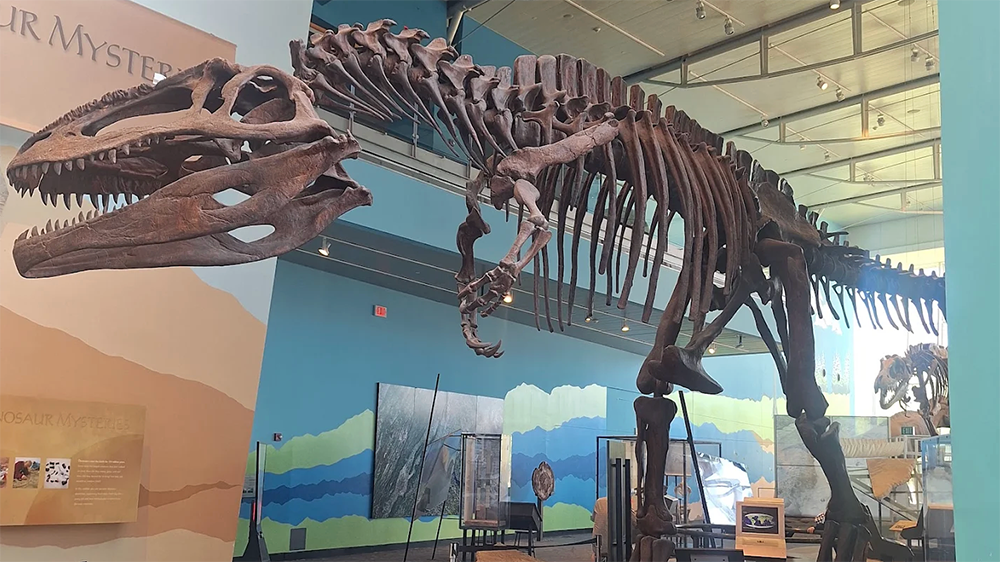
1. Explore Interactive Exhibits at the Maryland Science Center
The Maryland Science Center sits along Baltimore’s Inner Harbor and gives children many ways to explore science through hands-on play. Three floors of exhibits invite kids to test ideas, build structures, and experiment with motion, energy, and the human body. The center also includes one of the region’s largest planetariums and a rooftop observatory used during special events. Many exhibits encourage open-ended discovery. Children can spin giant gears, experiment with water flow, or test simple machines while families move through the museum at their own pace.
Tip for families: Start on the upper exhibit floors and work your way down. These areas often feel quieter than the busy first-floor entrance and lobby.
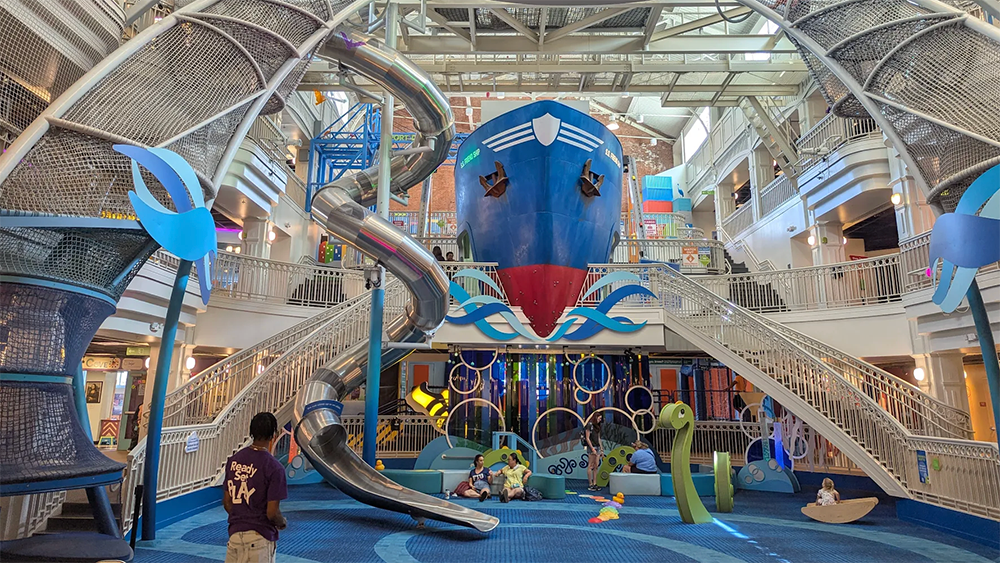
2. Kids Play and Create at the Port Discovery Children’s Museum
The Port Discovery Children’s Museum offers interactive spaces designed for young children to learn through play. Exhibits focus on art, building, storytelling, and physical movement. Children can climb the multistory SkyClimber, create projects in hands-on maker areas, and move between themed play spaces that encourage imagination and exploration.
Families can spend time in one area or move through the museum at a comfortable pace. The museum also schedules sensory-friendly play sessions during select times of the year. During these events, staff reduce lighting and sound levels and limit attendance so families can experience the exhibits in a calmer setting.
Tip for families: Visit the smaller themed exhibit rooms if your child prefers quieter activities instead of the large central climbing structure.
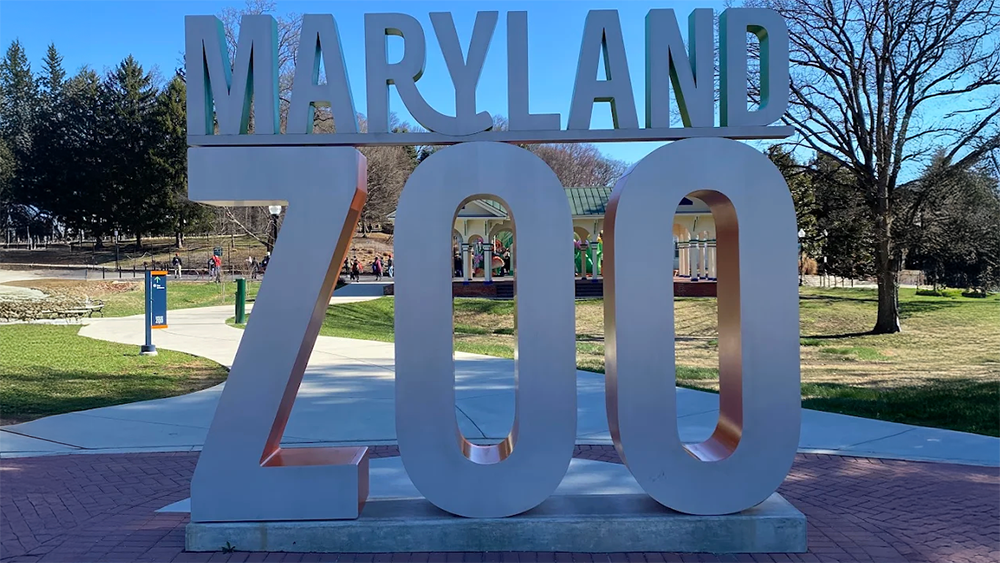
3. Visit Animals at the Maryland Zoo
The Maryland Zoo in Baltimore sits inside historic Druid Hill Park and ranks among the oldest zoos in the United States. Families often begin at Penguin Coast, where African penguins swim and dive in a large open habitat. Nearby exhibits feature giraffes, zebras, and ostriches sharing the same outdoor environment. Throughout the day, zookeepers host short animal talks where children can watch feedings and learn about animal care.
Tip for families: Check the daily schedule for penguin or giraffe talks. These short programs give children a chance to see the animals during feeding time

4. Discover Wildlife at the Irvine Nature Center
The Irvine Nature Center in Owings Mills spans more than 200 acres of forests, meadows, and wetlands where children can observe wildlife and explore nature at their own pace. Inside the center, families can see live animal exhibits that feature native species such as turtles, snakes, and birds of prey. Outside, trails lead through fields and wooded areas where visitors often spot butterflies, frogs, and other local wildlife.
Tip for families: Start at the indoor exhibits before heading outside. Seeing the animals first often helps children stay engaged during a short nature walk.
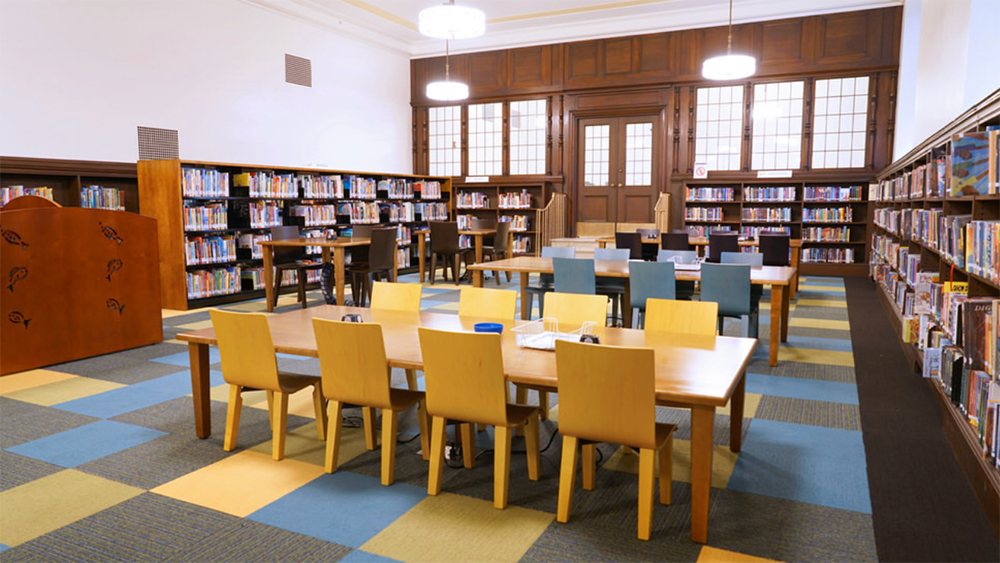
5. Read and Relax at the Enoch Pratt Free Library
The Enoch Pratt Free Library system began in 1882 when Baltimore merchant Enoch Pratt created one of the nation’s first large free public library systems. Today, the central branch downtown includes a large children’s department where families can browse books, read together, and explore learning displays designed for young visitors. The library also hosts frequent family programs such as storytimes, science demonstrations, and author events that introduce children to new ideas in a calm setting.
Tip for families: Visit the central branch children’s department, which often sets up rotating activity tables with puzzles, crafts, or simple learning games.
Sensory-Friendly Experiences in Baltimore
Many of these destinations also host sensory-friendly events or quieter programming during certain times of the year.
If you are looking for additional support in Baltimore, Trellis offers applied behavior analysis (ABA) therapy for children with autism. Our clinical teams partner with families to build communication, social, and daily living skills that help children succeed at home, in school, and in the community.