New Autism Learning Center Opens in Roseville, MI
October 1, 2026
October 1, 2026
We’re hiring BTs, BCBAs, Clinical Psychologists & More. View open positions




FEATURED POSTS



Ontario blends suburban neighborhoods with wide boulevards, community parks, and easy access to the San Bernardino Mountains.
It’s a bit of a crossroads of Southern California sprawl and open sky. There are warehouses and freeways, but there are also mountain views, neighborhood parks, and civic spaces built for everyday life.
For families raising children with sensory differences, that everyday life matters. They’re looking for balance, especially if their kids have sensory differences and respond strongly to noise, lighting, and crowd levels.
In Ontario, that balance often shows up in places that are thoughtfully laid out, modest in scale, or connected to nature.
Here are five places in Ontario that many families find comfortable.
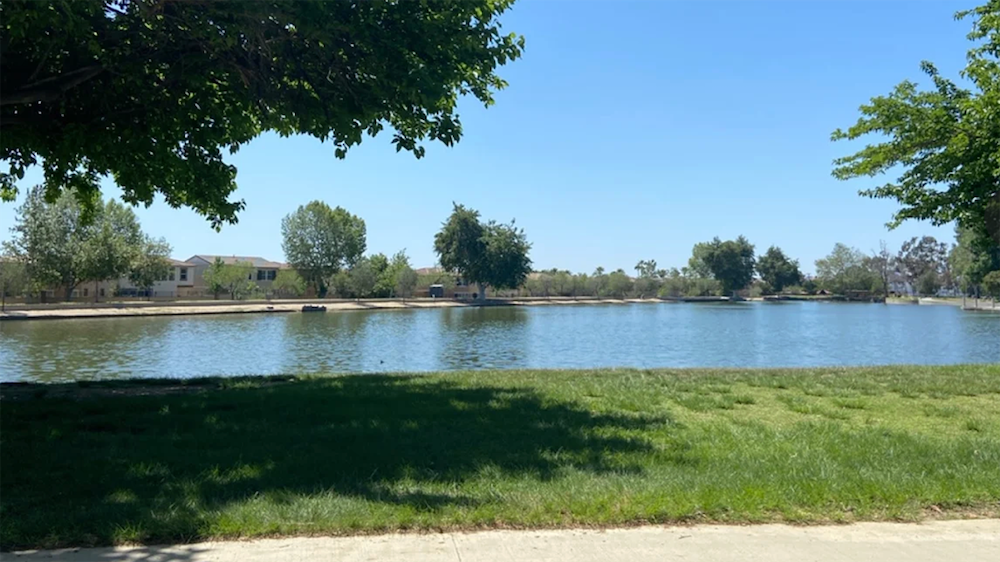
Two lakes anchor Cucamonga-Guasti Regional Park , and the water changes the atmosphere immediately. Instead of constant motion and noise, there is horizon and reflection. There’s also room to spread out. Families can settle at a shaded table or follow the walking path along the shoreline. The layout makes it easy to see what’s ahead.
Tip for Families: Visit during weekday mornings to avoid peak crowds, and pack familiar snacks to keep the outing predictable.

The Ovitt Family Community Library has wide aisles, defined reading areas, and a dedicated children’s section. Nothing feels chaotic. Sound levels tend to stay steady, and it’s a library with clear rules and expectations. For many children, libraries offer comfort through routine. They can walk in, choose books, sit, read, and leave. The sequence can stay the same.
Tip for Families: Preview the library layout online, and choose a specific reading area before arriving to reduce transitions.
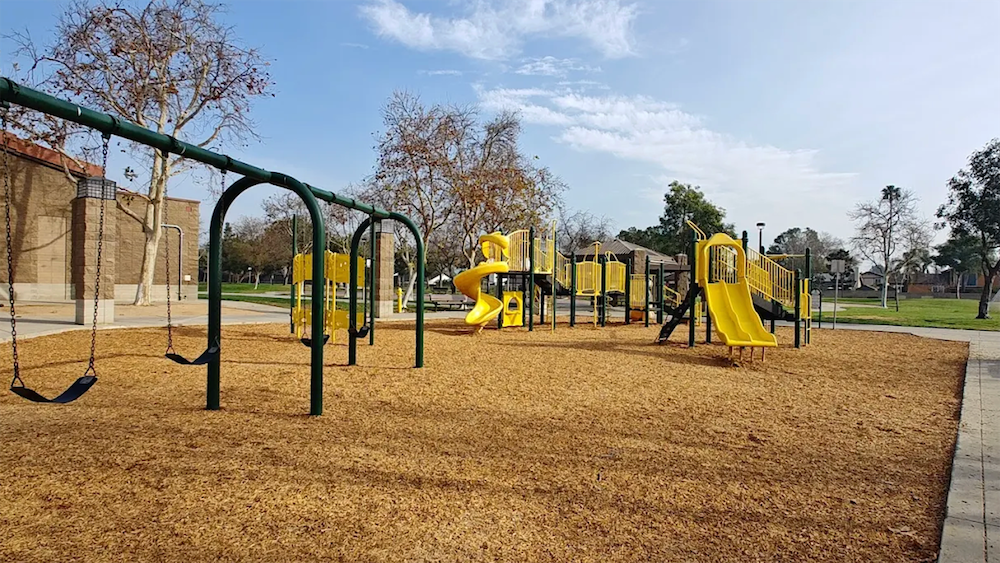
Westwind Park strikes a balance between activity and openness. It has a playground, and it also has wide grassy areas around it. Families can move from climbing structures to open field without feeling boxed in. For children who regulate through motion, that flexibility matters.
Tip for Families: Begin on the outer edge of the playground, and move inward as comfort builds. Identify a quiet bench or tree as a reset spot.

Large museums can sometimes be overwhelming for kids with sensory issues. The Ontario Museum of History & Art has a modest footprint. It’s easier to understand the layout at a glance. Galleries have clear sections, which allows families to focus on one room at a time. There are no flashing lights or booming audio. The experience feels contained, not sprawling.
Tip for Families: Choose one exhibit before entering and focus your experience on that section.

A short drive from Ontario, Prado Regional Park opens up to wide landscapes, long trails, and lake views. The scale is expansive, but the experience can stay simple. Families can park near one section and keep the outing contained.
Tip for Families: Pick one trail or picnic area ahead of time, and park close to it to minimize transitions. Keep the first visit brief and predictable.
Autism Spectrum Therapies (AST) provides evidence-based applied behavior analysis (ABA) therapy for children and families in and around Ontario. If you have questions about your child’s development, or about what support might look like, our team is here to talk through next steps.