Autism & Water: Benefits of Swimming & Water Play for Kids with ASD

Many children with autism are drawn to water for its calming, sensory experience. In fact, a 2015 study[1] found that children with ASD enjoy swimming significantly more than children without ASD. And while water can present a safety concern, water play and swimming also offer several benefits for children with ASD.

How can you build on your child’s interest with activities that promote safe and fun water exploration? Here, I offer ideas and share the benefits of swimming and water play for kids with ASD.

1.     Leisure skills

Swimming and water play are great alternatives to many sedentary leisure activities in which children engage, such as playing online games or watching videos on screens. Many families of children with autism report difficulty finding non-electronic leisure activities for their child. And while your child may have other interests, it can be an added challenge to find activities that will sustain their attention for longer periods. Ideal for encouraging more extended periods of independent leisure time in children with autism, water play offers a great solution.

Try, for instance, setting up a water table with different sized cups and tools for pouring, scooping, and squirting water. This activity particularly benefits kids who are learning to explore water safely but don’t yet have interest in or safety skills for independent play in a pool.

2.     Physical health

It probably comes as no surprise that swimming and active water play offer fun ways to integrate movement and physical activity into your child’s day. Swimming represents a low-impact exercise and can boost cardiovascular health, while building strength and endurance.

To promote physical health during swimming, practice “bobbing” in the water. If your child does not like water on their face, practice jumping in shallow water. Encourage vocal verbal skills, such as counting, by modeling counting out loud or having your child count or spell as they bob or jump in the water.

3.     Creativity and imaginary play

Swimming and water play offer endless ways in which children can play, allowing you and your child to create new games and use your imaginations to explore the water.

You can investigate the buoyancy of different objects by seeing which objects sink or float. Ask your child to select some water-safe toys, and watch as the toys sink or float in the pool, water table, or shallow bin of water. Another visual, sensory activity involves dribbling a few drops of food coloring and observing how different colors diffuse in the water. For added fun, provide bubbles, sponges, or a toothbrush—and watch what your child can do or create.

4.     Family time

Some families report difficulty in identifying shared interests with their child with ASD, and many children with autism have narrow or restricted interests[2]. However, thinking creatively about safe water play may help you identify additional interests for your child that are shared with siblings and caregivers alike. Family time in the pool or during water play can create a shared activity and interest for the whole family to take part in and enjoy, while giving you a chance to cool off on a hot day.

Encourage your child’s communication by asking questions about what they see, hear, and touch. Do you notice floating leaves, frogs, or beetles that have made their way into the pool? Use these sensory experiences in the water to ask questions, share interest in the water, and promote communication. Your child can practice pointing, nodding, or responding vocally to your questions about your shared environment.

As you enter the last stretch of summer, use these tips to promote fun and safe water exploration. Then, when your child builds confidence in and around the water, consider swim lessons that teach your child water safety. And while the ultimate goal of swim lessons is to teach your child to swim, safety skills like floating, exiting a pool independently, and holding on to a ledge or wall are often taught first. To learn more, read our blog post “5 Steps to Swim Safety for Your Child with Autism.”

Why Wandering Is a Serious Risk for Kids With Autism, Especially in Summer 

 For many families raising a child with autism, one of the biggest fears is a child slipping away. That might mean walking out the front door, leaving the playground or disappearing into a crowd. This behavior, often called “wandering” or “elopement,” can happen in a matter of seconds. It’s more than stressful. In some cases, it can be life-threatening. 

Summer brings even more opportunities for this to happen. Routines shift, outings increase, and kids are often near water, one of the biggest safety hazards for children with autism. Understanding why wandering happens and how to prevent it can help families stay prepared and safe. 

What Is Wandering? 

Wandering happens when a child leaves a safe place without permission or supervision. This can include leaving home, school, a playground, or a caregiver in public. 

In children with autism spectrum disorder (ASD), it’s especially common. A 2012 study in Pediatrics found that nearly half of children with autism had tried to wander or run away at least once after age 4. Of those, 26% were missing long enough to cause concern. 

The reasons vary. Some children may seek out a place they enjoy, such as water. Others may run to escape overwhelming sounds, sights, or situations. But no matter the cause, the risk is high. 

Why Summer Brings Added Risk 

Wandering can happen any time of year, but summer adds new layers of risk. Families are more likely to be out of their routines, exploring new places, or visiting pools, lakes, and beaches. New environments can be exciting, disorienting, or overstimulating for kids with autism. 

Water presents the greatest danger. According to the National Autism Association, accidental drowning accounted for 71% of all deaths resulting from wandering in children with autism under age 15. 

And it can happen fast. The Centers for Disease Control and Prevention (CDC) reports that it takes as little as 20 seconds for a child to drown. 

Safety Strategies That Can Help 

Many families aren’t told about wandering risks when their child is first diagnosed. But there are proactive steps that can help reduce danger. 

Swim lessons are one of the most effective strategies. Some insurance plans may cover swim lessons for children with autism as part of behavioral treatment. Read more in Why Swimming and Water Play Benefit Kids with ASD. 

Families can also partner with a board certified behavior analyst (BCBA) to teach safety skills. BCBAs can support children in tolerating wearable tracking devices, reducing bolting behaviors, and recognizing safe adults or “community helpers.” 

Other tools include: 

  • Personal ID wristbands or GPS trackers 
  • Secure fencing or home alarms 
  • Creating emergency plans with neighbors 
  • Registering with local police or Smart911.com, which lets families share medical or behavioral information that pops up for 911 dispatchers 

Planning Ahead Brings Peace of Mind 

Not every child with autism wanders. But for those who do, preparation can save lives. 

Summer outings should be fun, not stressful. These 4 Steps to Swim Safety for Your Child with Autism offer practical tips families can use right away. 

For more information on wandering and autism safety planning, visit the National Autism Association’s Big Red Safety Toolkit. 

What is the WIBA ABA Conference?

The WIBA Conference, short for Women in Behavior Analysis, is the only annual conference in the ABA field dedicated to empowering, celebrating, and mentoring women in behavior analysis and highlighting their contributions to the discipline. Founded in 2017, WIBA has grown into one of the most distinctive and community-driven events on the ABA conference calendar.

Each year, the WIBA Conference brings together BCBAs, researchers, educators, students, and allies from across the behavior analysis community to engage in meaningful dialogue on gender equality, professional development, mentorship, and the advancement of the field.

What sets WIBA apart is its dual purpose: to advance behavior analysis as a science and to actively address the underrepresentation and underrecognition of women within it. The conference is open to all genders and is designed to be an inclusive forum where every attendee, whether a seasoned clinician, a graduate student, or an organizational leader, feels seen, supported, and inspired.

When is the WIBA Conference?

The WIBA Conference is typically held each summer, most often in July. The event rotates among cities across the United States. Attendees are encouraged to check the official WIBA events page for the most current schedule, registration details, and hotel booking information.

WIBA is offered as a hybrid event, with both in-person attendance and a live virtual stream available each year. On-demand access is also included, allowing attendees to engage with sessions at their own pace after the event.

2026 WIBA Conference: Chicago, Illinois

July 15–17, 2026 | Sheraton Grand Chicago Riverwalk

The 9th Annual WIBA Conference will be held July 15–17, 2026, at the Sheraton Grand Chicago Riverwalk in Chicago, Illinois. The conference is a hybrid event, offering both in-person attendance and a full virtual livestream for those who cannot travel.

This year’s program will highlight prominent women in behavior analysis while addressing the importance of gender equality and diversity within the field. Through engaging presentations, meaningful discussions, and structured opportunities for connection, the 2026 WIBA Conference creates space for learning, leadership, and shared progress.

2026 WIBA Hotel and Accommodations

The 2026 WIBA Conference is hosted at the Sheraton Grand Chicago Riverwalk in Chicago, Illinois. The WIBA discounted room rate is available through June 20, 2026. Rooms are expected to sell out, and early booking is strongly recommended. A hotel booking link is provided through the official registration process at thewiba.com.

Registration for the 2026 WIBA Conference

Registration is available both in-person and online. Registration tiers are offered at the same price and include on-demand access and continuing education units (CEUs).

Continuing Education at the 2026 WIBA Conference

WIBA offers both CEUs and professional development units (PDUs) with all registration packages. CEU and PDU access is included for both in-person and virtual attendees, as well as through on-demand viewing after the conference.

Find the Next Step in Your ABA Career

Discover rewarding BCBA career opportunities at LEARN Behavioral.

What Does LEARN Behavioral Do at WIBA?

LEARN Behavioral participates in the WIBA Conference as a supporter of professional development and community in the ABA field. The LEARN team attends the conference each year to engage with the conversations shaping the future of behavior analysis, particularly those focused on mentorship, leadership, and inclusion, and to connect with the talented clinicians and researchers who make up the WIBA community.

At the WIBA Conference, LEARN Behavioral typically:

  • Connects with BCBAs, students, and early career professionals who are passionate about growing in the field
  • Engages with sessions focused on mentorship, leadership development, and diversity, equity, and inclusion (DEI) in ABA practice
  • Supports career development opportunities for women and allies who want to build meaningful careers within a national ABA organization
  • Participates in community-building events that align with LEARN’s commitment to inclusion and belonging across its clinical teams
  • Explores research and best practices that can be applied to LEARN’s work with children and families across the country

LEARN Behavioral’s participation in WIBA reflects its belief that a stronger, more equitable field of behavior analysis is better for the professionals who work in it and the children and families they serve.

Who Attends the WIBA Conference?

The WIBA Conference draws a wide and diverse audience united by a shared interest in advancing behavior analysis and championing equity within the field. Attendees typically include:

  • Board certified behavior analysts (BCBAs) and BCBA-Ds
  • Board certified assistant behavior analysts (BCaBAs)
  • Registered behavior technicians (RBTs)
  • Graduate students and doctoral candidates
  • University faculty and researchers
  • Early career professionals seeking mentorship and community
  • Organizational leaders and clinical directors at ABA therapy organizations
  • Allies of all genders committed to gender equity in behavior analysis
  • Advocates and professionals working at the intersection of ABA and social justice

While WIBA was founded to address the specific experience of women in behavior analysis, the conference is explicitly open to and welcoming of attendees of all genders. Allies play an important role in the WIBA community, and the conference is designed to foster dialogue that benefits the entire field.

Start a Meaningful Career in ABA

Interested in a career helping children with autism? Discover rewarding ABA career opportunities.

Topics Discussed at the WIBA Conference

The WIBA Conference program spans clinical science, professional development, and social dialogue, with presentations, workshops, poster sessions, and mentoring opportunities woven throughout the schedule. Presentations are selected through a blind review process, and all invited speakers receive equal compensation; there are no keynote hierarchies at WIBA.

Key topics consistently featured at the WIBA Conference include:

  • Highlighting the contributions of prominent and historically underrecognized women in behavior analysis
  • Gender equity, representation, and leadership in the field
  • Mentorship for early-career professionals and students
  • Organizational behavior management (OBM) and leadership development
  • Diversity, equity, and inclusion (DEI) in clinical practice and research
  • Social justice and culturally responsive behavior analysis
  • Research trends and innovations in the field
  • Professional development and career navigation for behavior analysts
  • Work-life balance and burnout prevention for clinicians
  • Ethics in research and practice
  • Intersectionality and identity in the behavior analysis community
  • Recognition and preservation of the field’s female founding voices

Why Should You Attend the WIBA Conference?

Whether you are an experienced BCBA, a graduate student just entering the field, or a clinical leader at an ABA organization, the WIBA Conference offers something that no other ABA event does. Specific reasons to attend include:

  • Experience the only ABA conference built around gender equity, mentorship, and women’s leadership in the field
  • Earn CEUs and PDUs included with all registration packages, in-person and virtual
  • Participate in formal mentorship sessions connecting early career professionals with established leaders in behavior analysis
  • Network with thousands of BCBAs, researchers, educators, and students who share your values
  • Engage with research and presentations selected through a blind review process for rigor and fairness
  • Access sessions on-demand after the conference, making it easy to revisit content at your own pace
  • Join a community that extends beyond the conference through WIBA Skool, the organization’s year-round online platform
  • Attend in person in Chicago or join virtually from anywhere in the world

Highlights from Past WIBA Conferences

Since its inaugural conference in 2017, WIBA has grown from a grassroots gathering into one of the most impactful and widely attended events in the ABA calendar. Over nearly a decade, it has accumulated more than 4,000 in-person and online attendees, 648 presentations, 453 presenters, and 85 mentorship sessions.

Past WIBA Conference highlights include:

  • The launch of the WIBA Hall of Fame in 2021, dedicated to honoring the female pioneers whose contributions to behavior analysis have often gone unrecognized, with inaugural inductees including Eve Segal, Bea Barrett, Martha Bernal, and Judith Favell
  • Annual formal mentorship sessions pairing early career professionals and students with established leaders in the field, including invited speakers and advisory board members
  • Expert panel sessions where advisory board members and invited speakers answer attendee questions and share professional advice
  • Presentations by world-renowned behavior analysts, including Linda LeBlanc, PhD, BCBA-D, and other leaders on the WIBA Advisory Board
  • Scholarship programs designed to reduce financial barriers and expand access to the conference for underrepresented professionals
  • A growing emphasis on intersectionality, social justice, and culturally responsive behavior analysis
  • The development of WIBA Skool, an online community platform that keeps the WIBA experience alive year-round between annual conferences

WIBA Conference Key Takeaways

  • The WIBA Conference is the only annual event in the ABA field dedicated to empowering, celebrating, and mentoring women in behavior analysis
  • WIBA was founded in 2017 and has grown to engage thousands of attendees, presenters, and mentors across its history
  • The 9th Annual WIBA Conference will be held July 15–17, 2026, at the Sheraton Grand Chicago Riverwalk, with in-person and virtual attendance options
  • The conference is open to attendees of all genders and is designed as an inclusive forum for advancing equity and excellence in the field
  • CEUs and PDUs are included with all registration packages, in-person and online
  • Topics span gender equity, mentorship, DEI, leadership, OBM, clinical trends, and the recognition of women’s historic contributions to behavior analysis
  • LEARN Behavioral participates in WIBA each year as a member of the ABA community committed to inclusion, mentorship, and professional development

FAQs: What People Ask About the WIBA Conference

Is the WIBA Conference only for women?

No. While WIBA was founded to highlight the accomplishments of women in behavior analysis and address gender equity in the field, the conference is explicitly open to attendees of all genders. Allies play a central role in the WIBA community, and the conference welcomes anyone committed to advancing gender equality and inclusive practice in behavior analysis.

When was WIBA founded?

WIBA was founded in 2017 by Devon Sundberg, MS, BCBA, and Kimberly Zoder-Martell, PhD, BCBA-D. The idea originated while both were involved in organizing a state-level ABA conference and recognized the lack of female representation among invited speakers at ABA events. The inaugural WIBA Conference was held that year to highlight women’s accomplishments in the field and create space for mentorship and gender equity dialogue.

Who founded WIBA?

WIBA was co-founded by Devon Sundberg, MS, BCBA, and Kimberly Zoder-Martell, PhD, BCBA-D. Devon Sundberg serves as Executive Director and Conference Director. Janet Lund, PhD, BCBA-D, currently leads the organization, and WIBA’s Advisory Board includes Linda LeBlanc, PhD, BCBA-D, Chata Dickson, PhD, BCBA-D, Patricia Wright, PhD, BCBA-D, Adrienne Bradley, MEd, BCBA, and Bruce Tinor, PhD, BCBA.

What is the WIBA Hall of Fame?

The WIBA Hall of Fame was established in 2021 to honor women who have made outstanding contributions to the field of behavior analysis, particularly those whose work has been historically overlooked or underrecognized. Inductees are selected annually and recognized at the WIBA Conference. The inaugural Hall of Fame class included Eve Segal, Bea Barrett, Martha Bernal, and Judith Favell. Induction profiles are published annually in the journal Behavior Analysis in Practice.

What is WIBA Skool?

WIBA Skool is WIBA’s year-round online community platform where behavior analysts, students, and allies can stay connected between annual conferences. It functions as a private professional community (without ads) where members can share resources, engage in discussions, and maintain the momentum and connections built at the WIBA Conference. WIBA Skool is separate from and complementary to the annual in-person and virtual event.

Does WIBA offer scholarships?

Yes. WIBA offers scholarships designed to reduce financial barriers and make the conference more accessible to professionals who might otherwise not be able to attend. Scholarship opportunities are announced through WIBA’s official channels. The organization is committed to expanding access to underrepresented professionals and prioritizes inclusion in its scholarship and speaker selection processes.

What types of continuing education does WIBA offer?

WIBA provides both continuing education units (CEUs) and professional development units (PDUs) as part of all registration packages. This makes WIBA one of the few ABA conferences to offer PDUs alongside BACB-relevant CEUs, extending its value to a broader range of professionals in education, leadership, and adjacent fields. CEUs and PDUs are available to both in-person and virtual attendees, as well as to those who view on-demand sessions.

How is the WIBA Conference different from ABAI or CalABA?

ABAI and CalABA are broad-scope conferences covering the full range of behavior analysis science, research, and clinical practice. WIBA has a distinct and focused mission: advancing gender equity in behavior analysis, mentoring women and early career professionals, and recognizing the historic and ongoing contributions of women in the field. It is the only ABA conference where gender equity and women’s leadership are central to the entire program, not just a track or a session, but the organizing principle of the event itself.

Understanding Autism Symbols: Meaning, History, and How They’re Used Today

Symbols help people communicate ideas quickly and create shared understanding. In the autism community, symbols have long been used to promote awareness, signal support, and encourage conversation. Over time, as understanding of autism has expanded through research, advocacy, and lived experience, the symbols used to represent autism have also evolved.

Today, there is no single image that represents every individual or family. Instead, a variety of symbols are used across schools, clinics, community organizations, and digital spaces. Exploring autism symbol history helps provide context for why different images exist and how they are used today across different settings.

This blog explores the history of autism symbols, the most commonly used imagery today, and best practices for choosing symbols that reflect dignity, inclusion, and respect for individuals with autism and their families.

A Brief History of Autism Symbols

The use of symbols to represent autism developed alongside early public awareness efforts. In the mid-20th century, autism was not widely understood, and outreach focused primarily on education and recognition. During this period, symbols were often used to introduce the public to autism and provide a visual reference point for learning and discussion.

As research advanced and diagnostic criteria became more clearly defined, autism awareness expanded beyond clinical settings. Symbols began appearing in educational materials, fundraising campaigns, and community events. Over time, these visuals became familiar to families, educators, and service providers and played a role in shaping early autism education efforts.

Understanding autism symbol history means recognizing that these images reflect the knowledge, language, and priorities of the time in which they were created. As conversations around autism have continued to grow and change, new symbols and designs have emerged to reflect evolving perspectives on inclusion, accessibility, and quality of life.

A Widely Recognized Autism Awareness Symbol

The puzzle piece is one of the earliest and most widely recognized symbols associated with autism. First introduced in the 1960s, it became closely associated with early autism education and public awareness efforts at a time when understanding of autism was still emerging.

Over the decades, the puzzle piece appeared in informational materials, advocacy campaigns, and community programs, becoming a familiar autism awareness symbol for many families, educators, and service providers. For some, it represents early recognition and the growth of autism-related resources and services.

Today, the puzzle piece continues to appear in certain contexts, often paired with language that emphasizes respect, support, and inclusion. As with any symbol, its meaning is shaped by how it is used, the audience it serves, and the values communicated alongside it.

Key considerations when using autism symbols include:

  • Familiarity: Some imagery is widely recognized and easy to identify
  • Audience: Interpretation may vary depending on community and setting
  • Intent: Symbols are most effective when paired with respectful, person-centered language

Common Autism Symbols Used Today

In addition to historically recognized imagery, many other symbols are commonly used to represent autism and the autism spectrum. These designs often emphasize individuality, diversity, and connection.

Rainbow Infinity Symbol

The rainbow infinity symbol is frequently used to represent the wide range of experiences across the autism spectrum. Its continuous shape reflects lifelong identity, while its colors highlight diversity and individuality.

Gold (“Au”) Imagery

Gold imagery, based on the chemical symbol “Au,” is often used in autism-related visibility efforts. Gold themes may appear in ribbons, pins, graphics, and educational materials and are commonly associated with recognition and community connection.

Spectrum-Inspired Designs

Abstract spectrum designs use gradients, flowing shapes, or geometric patterns to reflect variation and uniqueness. These visuals are often used in digital platforms and educational resources.

Heart and Community Motifs

Heart symbols and community-focused imagery are commonly used to express care, support, and connection. These designs highlight relationships and shared understanding.

There is no single official autism awareness symbol. Many organizations and families choose imagery that aligns with their values, audience, and goals.

Why Autism Symbols Matter

Symbols influence how messages are received and understood. In autism-related education and outreach, they can help promote awareness, encourage conversation, and signal support.

Autism symbols are frequently used during awareness and recognition efforts—particularly in April—across social media, schools, clinics, workplaces, and community events. When an autism awareness symbol is paired with clear explanations and meaningful actions, it can reinforce messages of respect, accessibility, and inclusion.

Symbols are most impactful when they are supported by inclusive practices and real-world efforts to support individuals with autism and their families.

Best Practices for Using Autism Symbols

Choosing autism symbols thoughtfully helps ensure they communicate the intended message clearly and respectfully.

Engage Individuals with Autism and Families

Including individuals with autism and family members in discussions about imagery provides valuable insight and helps ensure materials are relevant and respectful.

Clarify Your Purpose

Determine whether your goal is education, awareness, or community support. Your purpose should guide symbol selection and messaging.

Use Respectful, Strengths-Based Language

Symbols should be paired with language that emphasizes dignity, strengths, and access to support rather than focusing on limitations.

Design for Accessibility

Ensure materials are accessible by using high-contrast colors, readable fonts, alt text for images, captions for videos, and clear layouts.

Pair Symbols with Action

Imagery should be connected to tangible efforts such as training, accommodations, educational resources, or partnerships.

Adapt to the Setting

Different environments—schools, clinics, workplaces, and digital platforms—may require different approaches to imagery and messaging.

Using Autism Symbols in Schools, Clinics, and Workplaces

Symbols are most effective when they are part of broader efforts to support understanding and inclusion.

Schools

Schools can introduce symbols alongside age-appropriate explanations and pair them with inclusive teaching strategies, sensory-friendly options, and staff training.

Clinics

In clinical settings, autism symbols should align with respectful, family-centered care. Imagery can help create welcoming environments and support clear communication about services.

Workplaces

In workplaces, symbols can signal inclusive values when paired with flexible policies, clear communication practices, and accessibility accommodations.

Across all settings, explaining what a symbol represents and how it connects to meaningful support helps reinforce trust.

Language and Imagery: Supporting Respectful Representation

Symbols are only one part of how autism is represented. Language and visuals together shape understanding. Thoughtful wording helps ensure messages reflect dignity, autonomy, and respect.

  • Center lived experience by including perspectives from individuals with autism
  • Be specific when describing supports and accommodations
  • Avoid stereotypes or fear-based narratives
  • Invite ongoing feedback from families and the autism community

Frequently Asked Questions About Autism Symbols

Is there one official autism awareness symbol?
No. Multiple symbols are used today, and choice often depends on audience, setting, and purpose.

Why do different organizations use different symbols?
Symbol selection reflects organizational values, goals, and the communities being served.

What colors are commonly used in autism symbols?
Rainbow palettes emphasize diversity, gold imagery is commonly used in awareness efforts, and high-contrast designs support accessibility.

Can symbols be combined?
Yes. Combining design elements can help personalize materials while remaining inclusive and clear.

How can symbols support inclusion beyond awareness?
When paired with education, accessibility, and supportive practices, symbols help promote understanding and meaningful inclusion.

Key Takeaways

  • Autism symbol history reflects evolving understanding, advocacy, and community perspectives
  • Multiple autism symbols are used today, each with historical and contextual significance
  • Symbols are most effective when paired with respectful language and authentic support
  • Accessibility and community input should guide imagery choices
  • True inclusion is reflected in action, not just visibility

By choosing autism symbols thoughtfully, society can communicate dignity, belonging, and meaningful support for individuals with autism and their families.

Looking for support that goes beyond awareness? At LEARN, we believe inclusion is reflected in the care, partnership, and progress we build with families every day. Learn more about our compassionate autism care and how we support children and families across our communities by visiting our website.

5 Sensory-Friendly Activities in Baltimore

Baltimore offers families many ways to explore museums, nature, and community spaces. For children with sensory sensitivities, the right setting can make a big difference. Quiet spaces, predictable environments, and opportunities for movement can help children feel comfortable while they learn and play. 

Across Baltimore and surrounding communities in Maryland, families can find places that offer flexible experiences. Some provide dedicated sensory-friendly hours. Others offer calm outdoor settings or interactive exhibits that children can explore at their own pace. 

Here are five sensory-friendly activities families in the Baltimore area often enjoy. 

1. Explore Interactive Exhibits at the Maryland Science Center 

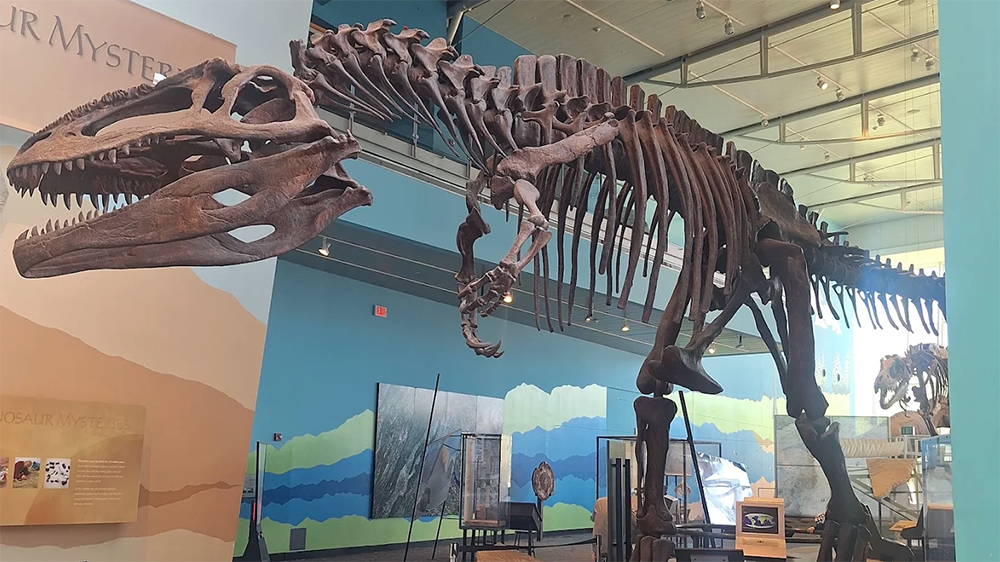
The Maryland Science Center sits along Baltimore’s Inner Harbor and gives children many ways to explore science through hands-on play. Three floors of exhibits invite kids to test ideas, build structures, and experiment with motion, energy, and the human body. The center also includes one of the region’s largest planetariums and a rooftop observatory used during special events. Many exhibits encourage open-ended discovery. Children can spin giant gears, experiment with water flow, or test simple machines while families move through the museum at their own pace. 

Tip for families: Start on the upper exhibit floors and work your way down. These areas often feel quieter than the busy first-floor entrance and lobby. 

2. Kids Play and Create at the Port Discovery Children’s Museum 

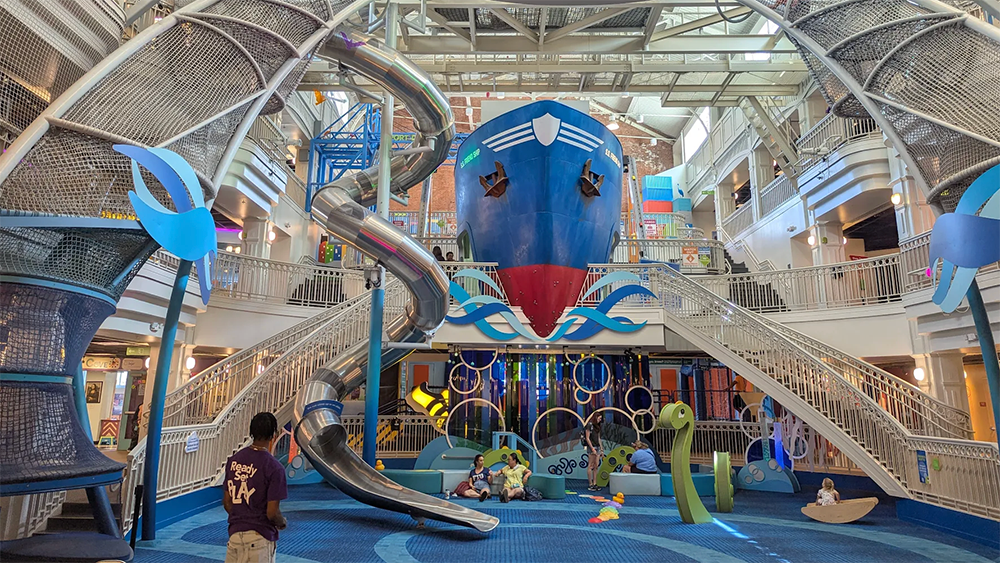
The Port Discovery Children’s Museum offers interactive spaces designed for young children to learn through play. Exhibits focus on art, building, storytelling, and physical movement. Children can climb the multistory SkyClimber, create projects in hands-on maker areas, and move between themed play spaces that encourage imagination and exploration.  

Families can spend time in one area or move through the museum at a comfortable pace. The museum also schedules sensory-friendly play sessions during select times of the year. During these events, staff reduce lighting and sound levels and limit attendance so families can experience the exhibits in a calmer setting. 

Tip for families: Visit the smaller themed exhibit rooms if your child prefers quieter activities instead of the large central climbing structure. 

3. Visit Animals at the Maryland Zoo 

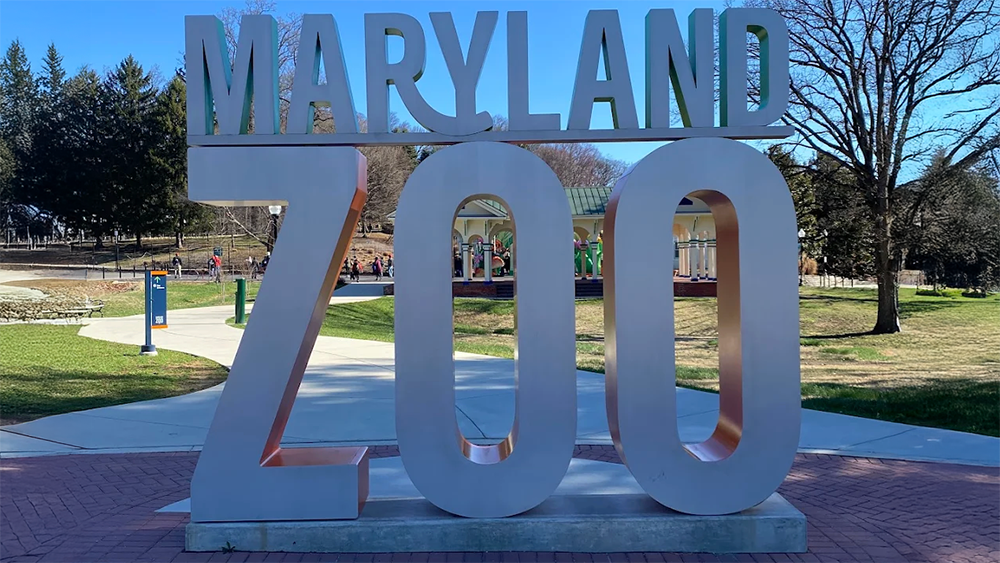
The Maryland Zoo in Baltimore sits inside historic Druid Hill Park and ranks among the oldest zoos in the United States. Families often begin at Penguin Coast, where African penguins swim and dive in a large open habitat. Nearby exhibits feature giraffes, zebras, and ostriches sharing the same outdoor environment. Throughout the day, zookeepers host short animal talks where children can watch feedings and learn about animal care. 

Tip for families: Check the daily schedule for penguin or giraffe talks. These short programs give children a chance to see the animals during feeding time 

4. Discover Wildlife at the Irvine Nature Center 

The Irvine Nature Center in Owings Mills spans more than 200 acres of forests, meadows, and wetlands where children can observe wildlife and explore nature at their own pace. Inside the center, families can see live animal exhibits that feature native species such as turtles, snakes, and birds of prey. Outside, trails lead through fields and wooded areas where visitors often spot butterflies, frogs, and other local wildlife. 

Tip for families: Start at the indoor exhibits before heading outside. Seeing the animals first often helps children stay engaged during a short nature walk. 

5. Read and Relax at the Enoch Pratt Free Library 

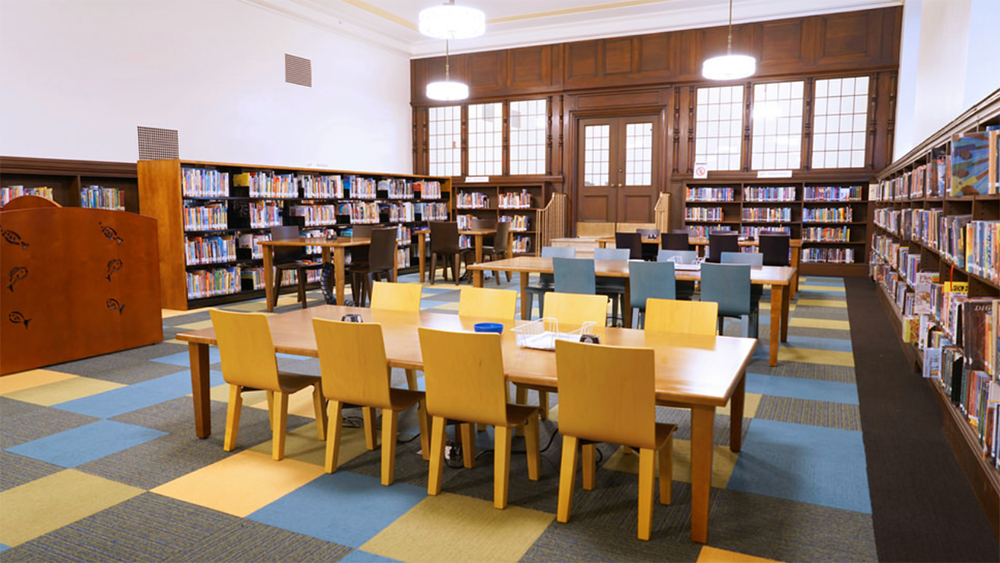
The Enoch Pratt Free Library system began in 1882 when Baltimore merchant Enoch Pratt created one of the nation’s first large free public library systems. Today, the central branch downtown includes a large children’s department where families can browse books, read together, and explore learning displays designed for young visitors. The library also hosts frequent family programs such as storytimes, science demonstrations, and author events that introduce children to new ideas in a calm setting. 

Tip for families: Visit the central branch children’s department, which often sets up rotating activity tables with puzzles, crafts, or simple learning games. 

Sensory-Friendly Experiences in Baltimore 

Many of these destinations also host sensory-friendly events or quieter programming during certain times of the year.  

If you are looking for additional support in Baltimore, Trellis offers applied behavior analysis (ABA) therapy for children with autism. Our clinical teams partner with families to build communication, social, and daily living skills that help children succeed at home, in school, and in the community. 

What is the MassABA Annual Conference?

The MassABA Annual Conference is the flagship event of the Massachusetts Association for Applied Behavior Analysis (MassABA), a trade organization representing the interests of behavior analysts across the Commonwealth. Founded in 2010, MassABA is an affiliated chapter of the Association for Behavior Analysis International (ABAI) and is dedicated to providing educational opportunities and advocacy for professionals who provide behavior-analytic services in any capacity.

Each year, the MassABA Annual Conference brings together behavior analysts, educators, researchers, and ABA service providers from across Massachusetts and beyond for a full day of professional development, continuing education, and community. The conference is the signature connection between MassABA and its more than 1,100 members — and has historically drawn over 700 participants.

Massachusetts is home to one of the highest concentrations of certified behavior analysts per capita in the world, with more than 4,500 BACB-certificants in the Commonwealth. The MassABA Annual Conference reflects the depth of the professional community, offering a focused, content-rich event that speaks directly to the issues shaping ABA practice in Massachusetts.

When is the MassABA Annual Conference?

The MassABA Annual Conference is typically held each spring, most often in May. The event is generally held at the Best Western Royal Plaza Hotel and Trade Center in Marlborough, Massachusetts, a centrally located venue accessible from Boston and across the Commonwealth. 

Attendees are encouraged to check the official MassABA events page for the most current schedule and registration details.

Find the Next Step in Your ABA Career

Discover rewarding BCBA career opportunities at LEARN Behavioral.

What Does LEARN Behavioral Do at MassABA?

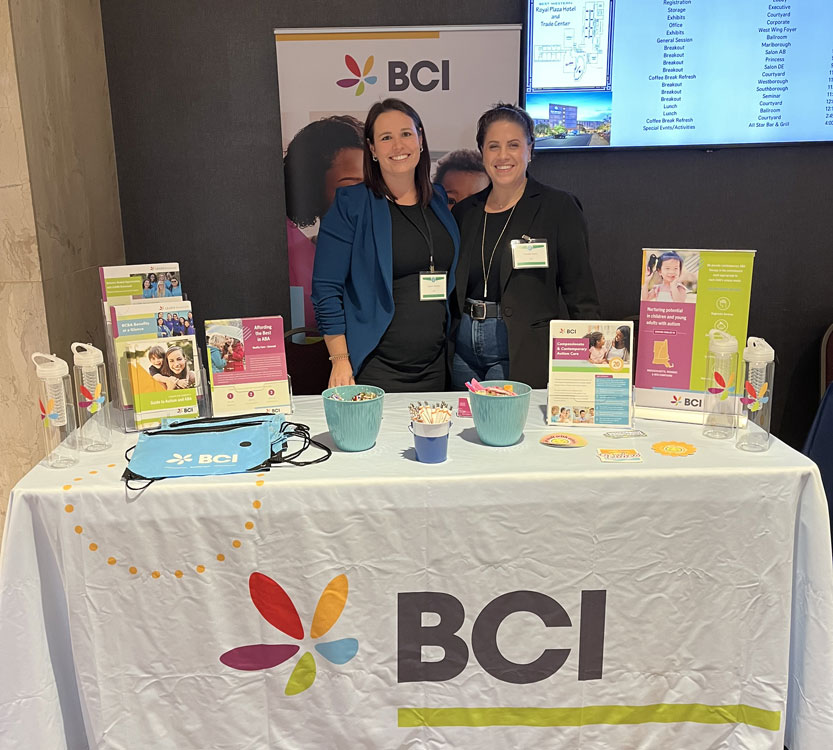
LEARN Behavioral participates in the MassABA Annual Conference as part of its commitment to the behavior analysis community in Massachusetts and the broader New England region. The LEARN team attends the conference each year to engage with the clinical, legislative, and professional issues shaping ABA practice in the Commonwealth, connect with fellow providers, and contribute to the community of behavior analysts who serve children and families across Massachusetts.

At the MassABA Annual Conference, LEARN Behavioral typically:

  • Connects with BCBAs, educators, and ABA service providers across Massachusetts to share insights and best practices
  • Engages with sessions focused on Massachusetts-specific legislative updates, insurance policy, and licensure
  • Explores emerging research and clinical practice developments relevant to LEARN’s work with children with autism
  • Supports career development opportunities for behavior analysts seeking to grow within a national ABA organization
  • Participates in exhibiting and networking opportunities to share LEARN’s services and clinical approach with the Massachusetts ABA community

LEARN Behavioral’s involvement in the MassABA Annual Conference reflects its commitment to being an active, contributing member of the behavior analysis community in every state where it operates — not just a service provider, but a genuine participant in the professional ecosystem.

Who Attends the MassABA Annual Conference?

The MassABA Annual Conference draws a broad cross-section of the Massachusetts behavior analysis community. Attendees typically include:

  • Licensed applied behavior analysts (LABAs) practicing in Massachusetts
  • Board certified behavior analysts (BCBAs) and BCBA-Ds
  • Board certified assistant behavior analysts (BCaBAs)
  • Registered behavior technicians (RBTs)
  • BCBAs working in public school settings across the Commonwealth
  • Graduate students and doctoral candidates in ABA programs
  • University faculty and researchers
  • ABA therapy organizations and autism service providers
  • Special education teachers and school administrators
  • Advocates and policy professionals engaged with Massachusetts ABA legislation
  • Representatives from insurance companies and state agencies involved in ABA coverage

MassABA’s membership structure includes full members (licensed applied behavior analysts in Massachusetts), associate members (practitioners from other states, related professionals, and family or community members), and student members, making the conference welcoming to professionals at every stage of their career.

Start a Meaningful Career in ABA

Interested in a career helping children with autism? Discover rewarding ABA career opportunities.

Topics Discussed at the MassABA Annual Conference

What makes the MassABA Annual Conference distinct from broader national events is its grounding in the specific legislative, regulatory, and clinical realities of practicing behavior analysis in Massachusetts. Sessions consistently address the issues that matter most to BCBAs and ABA organizations operating in the Commonwealth.

Key topics consistently featured at the MassABA Annual Conference include:

  • Massachusetts LABA licensure updates and the independent licensing board
  • Insurance coverage requirements and advocacy for ABA services in the Commonwealth
  • Compliance, audits, recoupments, and fraud prevention for ABA providers
  • ABA in public school settings and supports for BCBAs working in Massachusetts school districts
  • Evidence-based intervention and clinical best practices
  • Diversity, equity, inclusion, and belonging (DEIB) in behavior analysis
  • Ethics in ABA practice and supervision
  • Telehealth delivery of ABA services and insurance coverage updates
  • Research trends and innovations across autism services
  • Staff supervision, training, and workforce development
  • Expanding access to ABA services for people of all ages and abilities in Massachusetts

Past featured presenters have included nationally recognized figures such as Dr. Robert Horner, Alumni-Knight Endowed Professor of Special Education, alongside Massachusetts-based clinicians and policy experts who have addressed the most pressing issues facing local practitioners.

Why Should You Attend the MassABA Annual Conference?

For behavior analysts and ABA professionals practicing in Massachusetts, the MassABA Annual Conference offers a level of local relevance and practical applicability that broad national conferences cannot replicate. Specific reasons to attend include:

  • Stay current on Massachusetts-specific licensure, insurance, and legislative developments that affect your practice
  • Earn CEUs included with your registration at no additional cost
  • Connect with over 700 fellow behavior analysts and ABA professionals from across the Commonwealth
  • Engage with sessions on public school ABA, a unique and growing area of practice in Massachusetts
  • Explore exhibitor and sponsor opportunities relevant to the Massachusetts ABA market
  • Participate in a focused, single-day format designed to fit the schedule of working clinicians
  • Contribute to the advocacy efforts that shape the future of ABA practice in Massachusetts

Highlights from Past MassABA Conferences

Since its founding in 2010, MassABA has built a track record of delivering a high-quality annual conference that addresses the issues facing behavior analysts in Massachusetts. Consistently drawing more than 700 attendees, the conference has evolved alongside the Commonwealth’s ABA community.

Past MassABA Annual Conference highlights include:

  • Sessions on Massachusetts insurance mandate laws and ABA coverage, including practical guidance on responding to recoupments, audits, and fraud investigations
  • Featured presentations from nationally recognized researchers and clinicians, including Dr. Robert Horner of the University of Oregon
  • Updates from MassABA’s legislative committee on the ongoing effort to create an independent licensing board for behavior analysts in Massachusetts
  • Dedicated content for BCBAs working in public school districts, addressing some of the most complex and underserved practice contexts in the Commonwealth
  • DEIB-focused programming and MassABA’s active Diversity, Equity, Inclusion, and Belonging committee initiatives
  • Continuing education (CE) series and workshops on successful ABA service delivery, telehealth, and expanding access to services

MassABA Annual Conference Key Takeaways

  • The MassABA Annual Conference is the signature annual event of the Massachusetts Association for Applied Behavior Analysis, serving more than 1,100 members and drawing over 700 attendees each spring
  • MassABA was founded in 2010 and is an affiliated chapter of ABAI, with a mission to support the science and practice of behavior analysis in Massachusetts
  • The one-day format delivers a focused, high-value experience, including keynote programming, exhibiting, networking, and CEUs included with registration
  • Topics reflect the specific legislative, regulatory, and clinical landscape of practicing ABA in Massachusetts, including licensure, insurance, public school settings, and DEIB
  • LEARN Behavioral participates in the MassABA Annual Conference as an active member of the Massachusetts ABA community

FAQs: What People Ask About the MassABA Annual Conference

What is MassABA?

MassABA, the Massachusetts Association for Applied Behavior Analysis, is a trade organization founded in 2010 to represent the interests of behavior analysts in Massachusetts. 

It is an affiliated chapter of the Association for Behavior Analysis International (ABAI) and serves more than 1,100 members across the Commonwealth. MassABA advocates on legislative and insurance issues, supports professional development, and hosts an annual conference as the centerpiece of its membership community.

What is the difference between MassABA and BABAT?

Both MassABA and BABAT (Massachusetts Professionals in Behavior Analysis) are Massachusetts-based ABA organizations, but they serve distinct purposes. Many Massachusetts behavior analysts are members of both organizations. The MassABA Annual Conference is typically a single-day spring event, while BABAT’s conference spans multiple days in the fall.

MassABA functions as a trade organization focused on advocacy, licensure, and insurance policy — representing behavior analysts’ professional and regulatory interests at the state level. BABAT operates as a chapter-based professional community with a broader clinical and research focus, hosting a multi-day annual conference each fall. 

What does LABA stand for, and what does MassABA have to do with it?

LABA stands for Licensed Applied Behavior Analyst. It is the state license required to practice behavior analysis in Massachusetts. MassABA has been a leading advocate for strengthening the LABA licensure process in the Commonwealth, including ongoing efforts to establish an independent licensing board comprised exclusively of behavior analysts, rather than a multi-disciplinary board. 

The MassABA Annual Conference regularly includes sessions covering licensure updates, and MassABA works directly with state legislators on ABA-related bills.

Is MassABA affiliated with ABAI?

Yes. MassABA is an affiliated chapter of the Association for Behavior Analysis International (ABAI), the world’s largest professional organization dedicated to the science and practice of behavior analysis. 

This affiliation reflects MassABA’s commitment to upholding the standards and values of the broader behavior analysis field while addressing the specific needs of behavior analysts practicing in Massachusetts.

What membership types does MassABA offer?

MassABA offers three membership levels. Full membership is available to licensed applied behavior analysts (LABAs) in Massachusetts. Associate membership is open to practicing behavior analysts who are not licensed in Massachusetts, professionals from related fields, and family or community members. 

Student membership is available for undergraduate or graduate students enrolled in ABA or related programs and is offered at a nominal annual fee. Organizations providing ABA services can become MassABA Organizational Sponsors and receive benefits, including discounted employee registrations for the annual conference and exhibitor access.

What is MassABA’s Public School Committee?

MassABA’s Public School Committee focuses specifically on the needs of BCBAs working in Massachusetts public school districts — one of the most complex and rapidly growing practice contexts in the state. 

The committee partners with ACCEPT Collaborative to host a monthly Professional Practices Symposium for behavior analysts working in public schools, running throughout the school year. 

The annual conference includes dedicated sessions addressing the unique challenges facing school-based BCBAs across the Commonwealth, including supervision structures, Individualized Education Plan (IEP) collaboration, and ethical practice in educational settings.

How does MassABA support insurance advocacy for ABA providers?

MassABA has been an active advocate for expanding and protecting insurance coverage for ABA services in Massachusetts. The organization has worked to inform its membership about ABA insurance mandate laws, the provider’s evolving role in the insurance landscape, and how to navigate audits, recoupments, and claim denials. 

It has also collaborated with state insurance representatives, BABAT, and other stakeholders to push for timely reimbursement and fair coverage standards. The annual conference regularly features sessions on insurance policy and compliance in response to member needs.

How is the MassABA Conference different from ABAI or BABAT?

The ABAI Annual Convention is a global event covering the full breadth of behavior analysis science and practice across dozens of countries. BABAT’s conference is a multi-day regional event with a strong clinical and research focus, held each fall in Massachusetts. 

The MassABA Annual Conference is a single-day spring event with a distinctly Massachusetts-centric lens, prioritizing licensure updates, state insurance policy, public school ABA, and advocacy for the Commonwealth’s behavior analyst community. It is the most locally focused ABA conference available to Massachusetts practitioners.

5 Sensory-Friendly Places in Woodbridge, Virginia

Woodbridge sits along the Potomac River, just outside Washington, D.C., but much of daily life happens at a slower pace. There are waterfront views, wooded trails, libraries, and community spaces that give families room to spread out. 

For children with autism and other sensory differences, the environment matters. Sound, light, crowds, and unpredictability can sometimes shift a calm outing into a stressful one.  

Sensory-friendly spaces tend to share a few traits. They offer structure. They allow for movement. They provide clear sight lines and easy exits. Most of all, they give families options. 

Here are five places in Woodbridge that many families find more manageable. 

1. Leesylvania State Park offers waterfront space and wooded trails 

Leesylvania State Park stretches along the Potomac River, with wooded trails, open picnic areas, and broad views of the water. The park’s layout makes it easy to choose a quiet spot away from busier sections. Families can walk at their own pace, pause near the shoreline, or settle at a picnic table under the trees. 

Tip for Families: Start with a short, predictable walk, and identify a shaded rest area ahead of time. Having a clear stopping point can help the outing feel structured. 

2. Potomac Mills provides indoor options with flexible pacing 

Potomac Mills is one of the largest outlet malls in Virginia, but its wide corridors and multiple entrances allow families to control how they move through the space. Visiting during weekday mornings often means fewer crowds and lower noise levels. For some children, walking a predictable loop indoors can feel regulating, especially in hot or cold weather. 

Tip for Families: Park near a specific entrance, and keep the visit short and goal-oriented. A clear plan, such as visiting one or two stores, can prevent sensory overload. 

3. Chinn Park Regional Library maintains a calm and structured environment 

Chinn Park Regional Library offers clearly defined spaces and consistent expectations around noise and comfortable reading areas. The children’s section provides room to browse, sit, and participate in scheduled programs. 

Tip for Families: Visit during non-peak hours, such as weekday mornings. Ask staff about quieter programs or sensory-friendly story times. 

4. Veterans Memorial Park offers open fields and simple play structures 

Veterans Memorial Park features open grassy fields, a playground, and walking paths. The layout gives families options to be in the play area or step back to a quieter edge of the field. 

Tip for Families: Identify a calm spot to play when you arrive. 

5. Occoquan Bay National Wildlife Refuge creates a quiet, nature-based outing 

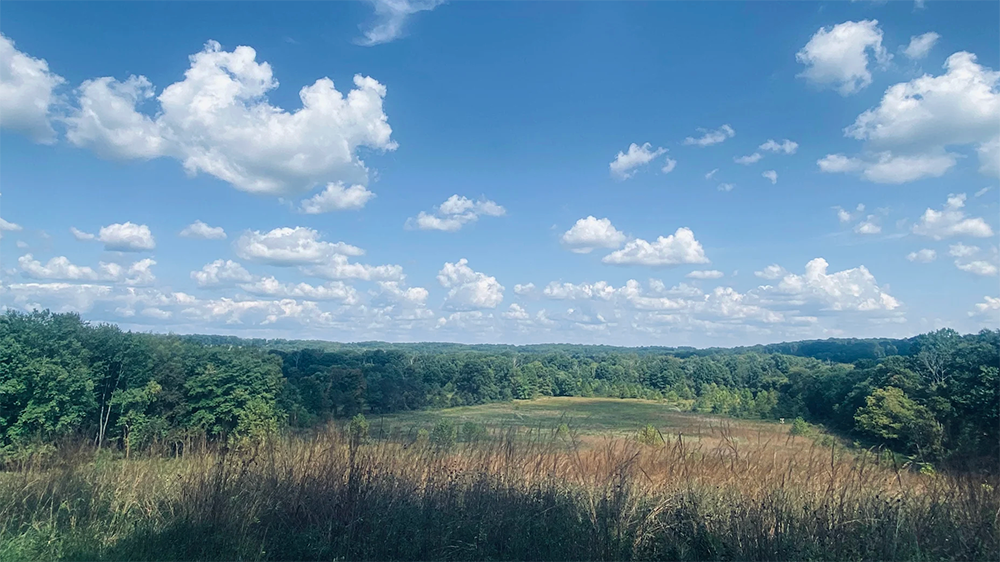
Occoquan Bay National Wildlife Refuge offers flat walking paths, wide skies, and long views across the water. The environment is calm, with predictable sensory features such as wind, birds, and water. 

Tip for Families: Keep the first visit brief and choose a single trail. A simple route with a clear start and end point can make the experience feel manageable. 

Looking for Support in Woodbridge? 

SPARKS ABA provides evidence-based applied behavior analysis (ABA) therapy for children and families in and around Woodbridge. If you have questions about a child’s development or about available services, our team is ready to help with the next steps. 

5 Sensory-Friendly Things to Do Near Roseville, MI 

For families of children with autism and other developmental needs, choosing places to go for fun outings often means looking for spaces that are quieter, less crowded, and easy to navigate. Those kinds of environments can keep kids comfortable and engaged without too much sensory input. 

Sensory-friendly spaces can support that. Some offer structured programs with smaller groups and adjusted sound or lighting. Others are simply calm, predictable places where families can move at their own pace and take breaks when needed. 

In and around Roseville, Michigan families have options. These five spots, all within a short drive, offer a mix of indoor and outdoor settings that work well for lower-stimulation outings. 

1. Huron Park offers open space

Huron Park has a simple layout with a large, open greenspace and a playground. The park feels manageable, and families can shift between the playground and open grass without long transitions or crowded pathways. It also has a walking track, bike trail, ballfields, a fitness court, an inline skate area, picnic areas with shelters, tables, grills, and restrooms. 

Tips for families: Walk the space once before your child starts playing so they can see where everything is. Bring a familiar toy or snack to help with transitions between activities. 

2. Clinton-Macomb Public Library – South Branch provides a quiet setting 

The South Branch of the Clinton-Macomb Public Library offers a structured, low-pressure environment with a well-organized children’s area. Visits can be brief and flexible, and staff can help guide families to quieter corners or simple activities. 

Tips for families: Start with a short visit, and leave before your child gets overwhelmed. Let your child choose one activity so the outing feels predictable. 

3. St. Clair Shores Public Library offers a calm visit 

A short drive from Roseville, St. Clair Shores Public Library provides another steady option for a low-stimulation outing, with a children’s section designed for browsing and quiet activity. The space supports short, focused visits, which can help families avoid overstimulation while still giving children a chance to engage. 

Tips for families: Set a simple goal, like picking out one or two books. Build a routine by visiting the same section each time. 

4. St. Clair Shores Civic Arena offers structured indoor activity 

St. Clair Shores Civic Arena offers public ice-skating sessions in a controlled, predictable environment. The space is contained, the activity is repetitive, and families can move at their own pace, which can work well for children who benefit from routine and clear boundaries. Sessions vary in size and noise level, but earlier or less busy times tend to feel more manageable. The structure of skating, with a clear start and stop, can also help children understand what to expect. 

Tips for families: Check the public skate schedule so you can choose a quieter session. Bring familiar gear or take breaks as needed to keep the experience comfortable. 

5. Lake St. Clair Metropark offers room to move 

Lake St. Clair Metropark gives families access to wide paths, water views, and enough space to spread out, which can help reduce sensory overload. Even on busier days, the size of the park makes it possible to find quieter areas, and the clear layout helps keep the experience predictable. 

Tips for families: Choose one small area of the park instead of trying to see everything. Bring comfort items like headphones or a favorite object for breaks. 

Support for Families in Roseville 

For families in Roseville, finding the right places to go is one part of helping a child build comfort and confidence in the community. Total Spectrum supports children and families through applied behavior analysis (ABA) therapy and related services that focus on communication, daily living skills, and routines. If you are looking for support in the Roseville area, Total Spectrum is here to help you take the next step. 

5 Sensory-Friendly Places in Yuma, Arizona 

Yuma is known for its sunshine and wide-open desert. For many families, those open spaces offer more than a view. They offer room to breathe. 

Children with autism and other sensory differences often experience sound, light, touch, and movement more intensely. For some kids, a crowded room can feel overwhelming. Bright lighting can distract from play or conversation. A sensory-friendly space lowers that intensity. It offers predictability, clear boundaries, and enough space for a child to move or take a break when needed. 

Parents often ask where they can go that will feel manageable for their child. While every child is different, many families find that outdoor parks, structured community spaces, and quieter indoor environments provide a more comfortable experience. 

Here are five places in Yuma that can offer just that. 

1. Gateway Park offers open space along the Colorado River 

Gateway Park sits right along the Colorado River, and the first thing it offers is space. The layout feels open and easy to navigate. The playground stands next to wide grass and shaded picnic tables, so families can choose how close they want to be to the busiest areas. 

The river provides a steady, natural backdrop. That consistent sound can feel gentler than traffic or a crowded indoor setting. Mornings tend to be the sweet spot, with cooler air, softer light, and more room to move at a calm, steady pace. 

Tip for Families: Visit early in the day, especially in warmer months. Bring water, sunscreen, and a hat to help your child stay physically comfortable. 

2. Yuma Art Center provides a structured indoor setting for creative exploration 

The Yuma Art Center breaks its galleries into clear, defined spaces, which makes the building easier to navigate. Families can move through exhibits slowly, without pressure to rush. For children who respond strongly to color, pattern, or texture, visual art can feel grounding rather than overwhelming. 

The center also offers classes and workshops throughout the year. Smaller groups and hands-on projects give children structure and a clear beginning and end.  

Tip for Families: A quick call ahead can help families choose a quieter time to visit or find a class that fits their child’s comfort level. 

3. Yuma Conservation Garden creates a quiet desert walking experience 

The Yuma Conservation Garden features native desert plants along simple walking paths. There are no loud attractions or flashing lights. Instead, families find open air, natural textures, and room to move slowly. 

Because the garden is outdoors, it is important to plan around the heat. Early visits or cooler months may feel more comfortable for children who are sensitive to temperature. 

Tip for Families: Plan a short first visit and keep the route simple. Let your child set the walking pace. 

4. Main Library – Yuma County Library District maintains a predictable and quiet environment 

The Main Library offers consistent sound levels and clearly defined spaces. The children’s section provides room to explore books, sit in reading areas, and participate in scheduled programs. 

For many children, the predictability of a library setting helps reduce anxiety. Staff members can guide families toward story times or events that may be a good fit. 

Tip for Families: Visit during weekday mornings if possible. Bring headphones in case of unexpected noise. 

5. West Wetlands Park gives families room to move and adjust 

West Wetlands Park blends playground equipment with wide desert landscape and walking trails, which gives families flexibility. The park is large enough to shift gears without packing up and leaving. If the playground feels busy, it is easy to step onto a trail or find a quieter stretch near the water. 

Tip for Families: Start in a quieter section of the park and identify a calm spot where your child can take a break if needed. 

Looking for Support in Yuma? 

Autism Spectrum Therapies (AST) provides evidence-based applied behavior analysis (ABA) therapy and individualized support for children and families across Arizona, including Yuma. If there are questions about a child’s development or about what support might look like, our team is here to talk through next steps. 

5 Sensory Friendly Spots in and Around Beloit, Wisconsin 

Families who have a child with autism often plan outings with more than distance or cost in mind. Noise, lighting, crowds, and how a space is set up can influence whether a visit feels manageable or overwhelming. In Beloit, Wisconsin, a handful of places stand out for offering something many families look for but do not always find. A setting that feels calm, predictable, and flexible. 

A “sensory-friendly” space usually has fewer harsh lights, lower noise, and room to move without pressure. It may include quiet areas, clear layouts, or staff who are patient and responsive. For many families, those details can turn an outing from stressful to possible. 

Here are five places in and around Beloit that families return to for that reason. 

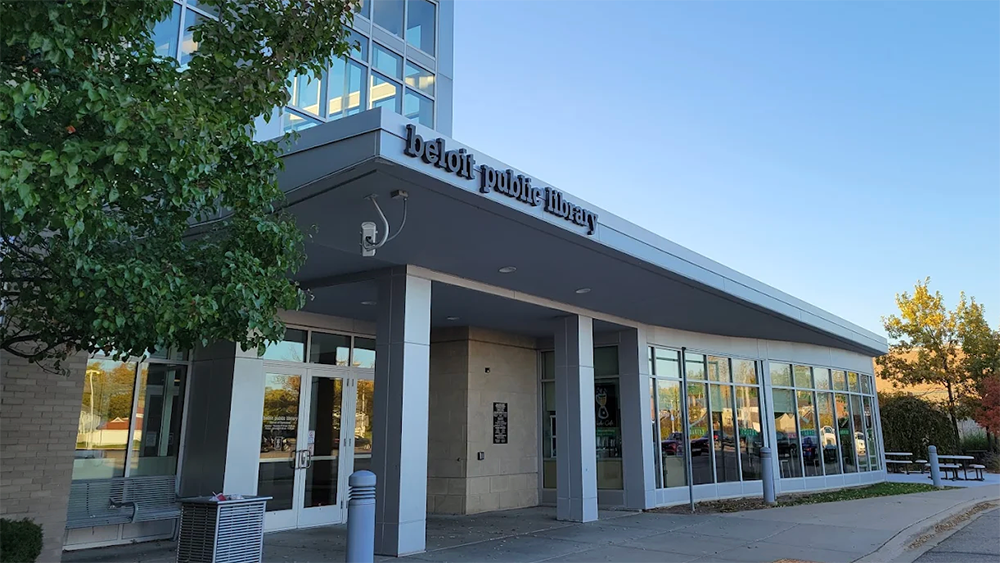
1. Beloit Public Library Offers Calm Spaces and Flexible Programs 

The Beloit Public Library gives families space to settle in without feeling rushed. The children’s area is open and easy to navigate. Staff are accustomed to a wide range of needs, which can make visits feel more manageable from the start. 

Tip for families: Aim for mid-morning on weekdays, when the space is quieter, and your child has more room to explore at their own pace. 

2. Rotary Botanical Gardens Has Quiet Paths to Explore 

At Rotary Botanical Gardens, wide paths and natural surroundings help reduce sensory input. The setting is calm, with fewer sudden noises or tight spaces. Families can move at their own pace and step away when needed without drawing attention. 

Tip for families: Start with a short, familiar route and build from there so your child can get comfortable with the environment. 

3. Children’s Museum of Rock County Encourages Hands-on Play  

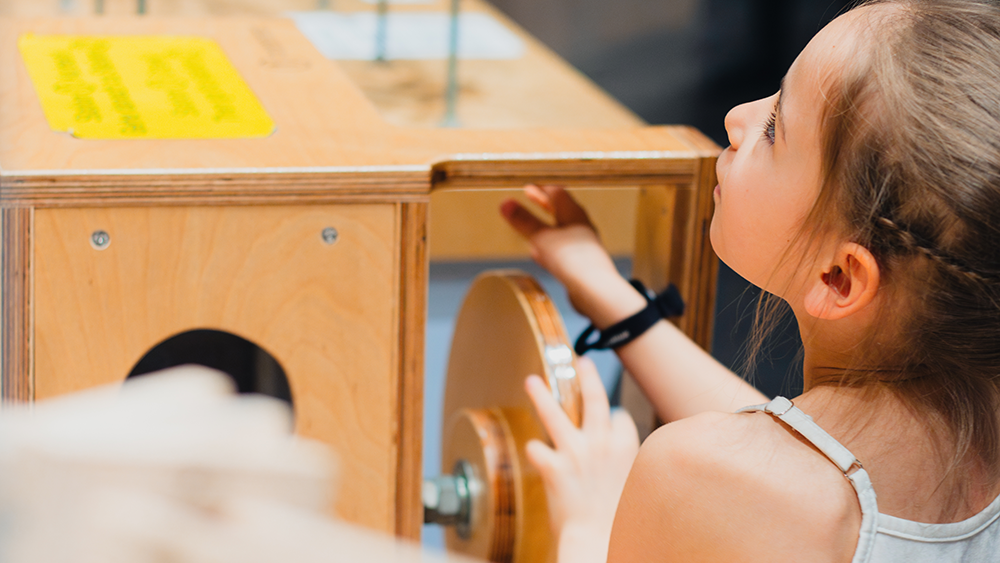
A short drive (roughly 20 minutes) from Beloit, The Children’s Museum of Rock County, in Janesville, set to open in Fall 2026, offers interactive exhibits that support independent play. The space can get busy, but earlier hours tend to be easier to navigate. Many exhibits allow children to engage on their own terms, without needing to follow a set path. 

Tip for families: Choose one or two exhibits to focus on rather than trying to see everything in one visit. 

4. Go Out to the Ballpark at a Beloit Sky Carp Game 

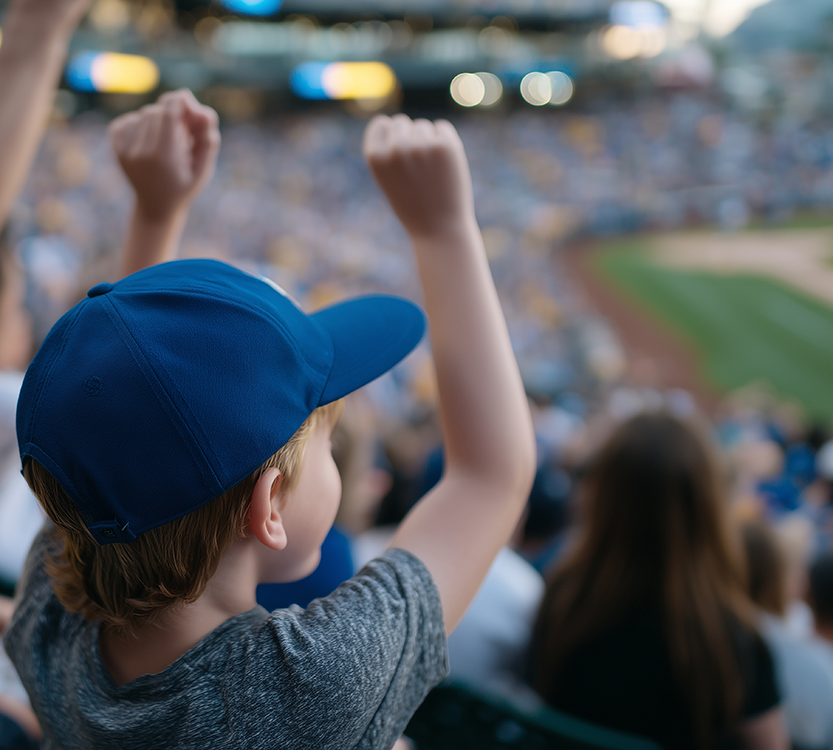
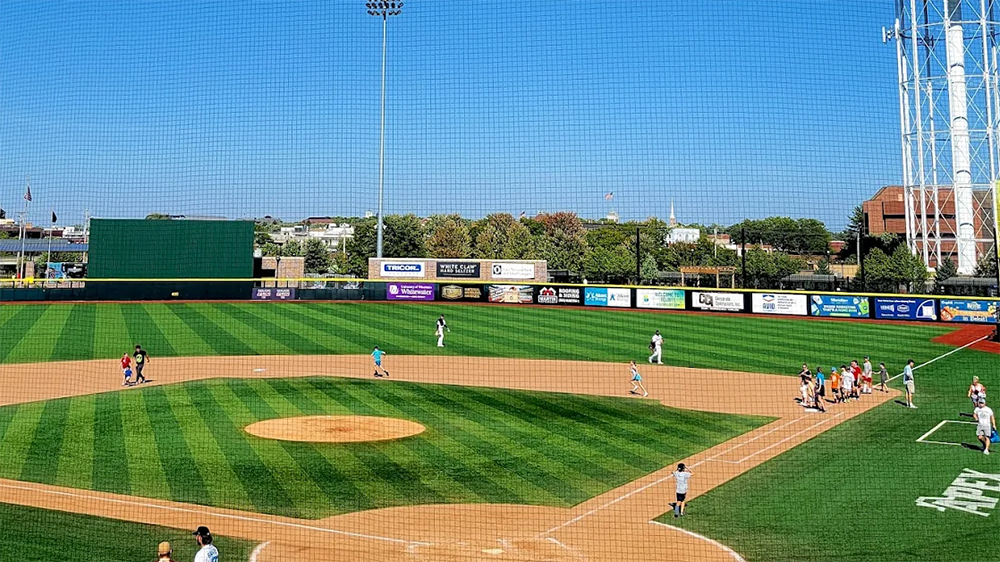
ABC Supply Stadium, home of the Beloit Sky Carp, offers open-air seating and room to move. While games can be loud, smaller crowds and flexible seating options can help families find a workable setup. The ability to step away without leaving the venue can make a difference. 

Tip for families: Look for aisle seats or sections near exits so you can step out quickly if your child needs a break. 

5. Telfer Park Gives Space to Move and Reset 

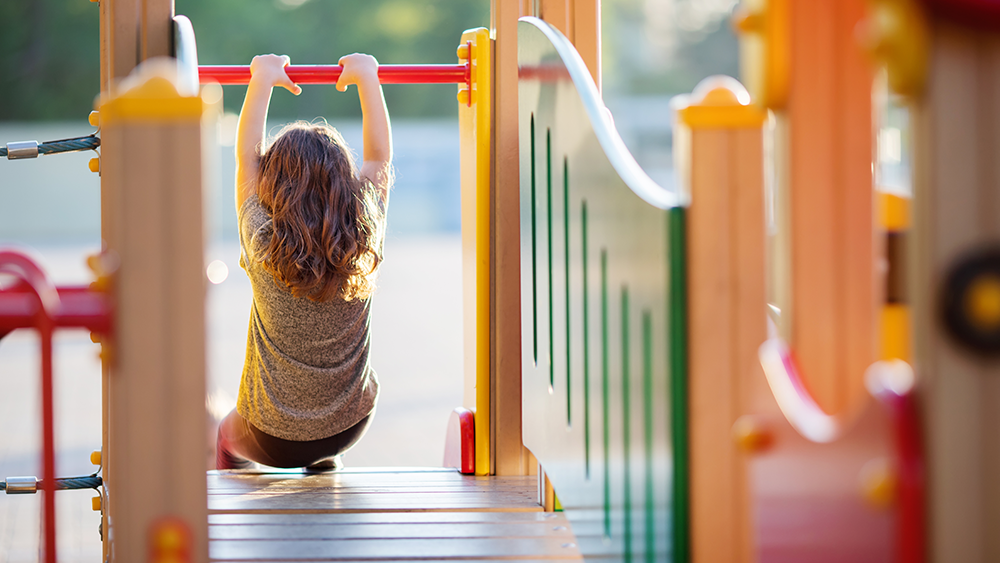
Telfer Park gives families space to breathe. The playground sits within a larger park with open green space, walking paths, and multiple sports fields, so it never feels crowded. Kids can move between active play and quieter areas without leaving, which can help them reset and stay longer. The park also includes a skate park, ice rink, shelter, and concession stand, with events such as baseball games and public skating throughout the year. That range makes it easier to adjust your visit based on your child’s needs. 

Tip for families: Start at the playground, then map out a short loop on the walking paths or head toward a quieter open field for a break. If there is a game or event, plan to arrive early or visit during off-peak times for a calmer experience. 

Support is close to home 

Finding the right environment can help, but many families also want support that carries into daily life. The team at Wisconsin Early Autism Project (WEAP) works with families in Beloit and nearby communities to build skills that help them meet goals in everyday life.